
BMX gloves for young riders


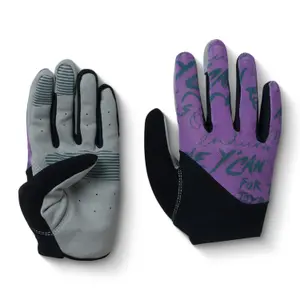


The BMX gloves featured here are designed for young riders: the hand child Kenny Track, made by the French brand born near Amiens in the motocross world, and the glove long Fist Handwear Fluro, from the Australian brand with graphic designs. Covered fingers, thin palm for feeling the handlebars, ventilated back: perfect for riding on the track or at the skatepark while keeping your hands protected.
Protect your hands, keep the feel.
Why long-finger gloves are essential in BMX racing
In BMX racing competitions, the required outfit includes long-finger gloves, just like the full-face helmet, long-sleeved jersey, and long trousers. This is due to the nature of falls: on a dirt track, the rider instinctively stretches out their hands when they fall, and it’s the palms and fingers that first scrape against the ground. A glove that fully covers the fingers prevents friction burns and small cuts that can keep a child off the bike for several sessions.
The glove also plays a role in riding. The hands grip tightly to the handlebars during the push from the start grid, remaining tense over the bumps: a palm that doesn’t slip, even when wet with sweat, helps maintain control of the bike until the finish line.
The rest of the gear
BMX equipment also includes:
All the gear is available on the equipment page.
Kenny Track and Fist Handwear Fluro: two schools
The Kenny Track comes from a French brand founded in 1981 in the Amiens region, initially specialising in motocross gear before expanding to other off-road sports, including cycling. This heritage is reflected in a fitted glove for kids, designed for the track and dusty terrain, where the hand must remain precise on the handlebars.
Fist Handwear was born in Australia in 2010, initiated by Sam Moore, a former motocross rider dissatisfied with the gloves he found on the local market. The brand gained popularity in BMX, MTB and motocross with its bold graphic designs. The Fluro, with long fingers and a thin palm, sports bright fluorescent colours, making the young rider highly visible on the track.
What size gloves for a young rider
Size is determined by measuring the hand, not by age. Measure the hand circumference at the knuckles, excluding the thumb, and the length of the palm to the tip of the middle finger, then compare it to the size chart, as kids' sizes vary from manufacturer to manufacturer. The glove should reach just to the tips of the fingers, with no loose fabric: excess material creates folds in the palm, leading to blisters and reducing the feel of the handlebars.
Conversely, a glove that’s too tight can hinder grip on the handlebars and fatigue the forearm during a long session. Since kids grow quickly, it’s important to check the fit at each training session, having the rider grip the handlebars while wearing the gloves.
Good deals
Good deals can also be found in the good deals, promotions, clearance, sales, and Black Friday. The new arrivals feature the latest collections, and items shipped within 24 hours are packed and dispatched within 24 hours. The major events of the year follow a stable order: Black Friday in late autumn, the holiday season, winter sales, the French Days in spring, followed by summer sales and back-to-school.
Frequently asked questions
Can a three-year-old wear BMX gloves?
Yes, children's sizes go quite low for riders starting on balance bikes or their first BMX with small wheels. At this age, an easy-to-put-on and well-fitted glove helps prevent scrapes during falls, which are common during learning.
Do you need different gloves for riding in winter?
For cold sessions, a glove that’s slightly thicker on the back of the hand keeps the fingers mobile. However, padded ski gloves should be avoided, as they prevent proper feel on the handlebars and precision in operating the brake lever.
How do you wash dirt-covered BMX gloves?
First, brush off the dry dirt, then wash the gloves by hand with lukewarm soapy water, or machine wash them in a mesh bag at thirty degrees, without fabric softener. Air dry flat, away from radiators, so the synthetic palm remains flexible.
When should you replace a young rider's gloves?
As soon as the palm is pierced or the seams at the fingertips start to come undone, the protection is no longer assured in case of a fall. A glove that has become too short, making the fingers hit the bottom, should also be replaced without waiting for wear.
Why prefer a thin palm over a padded one?
A thin palm better transmits the sensations from the handlebars and allows fingers to modulate the brake with precision. In BMX, impacts are absorbed by the arms and legs rather than the hands: thick padding would hinder grip without providing real comfort benefits.






