
BMX gear for riders of all ages


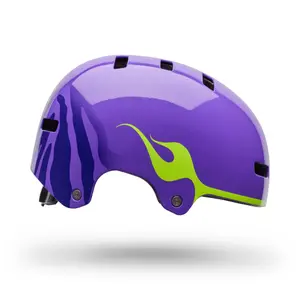
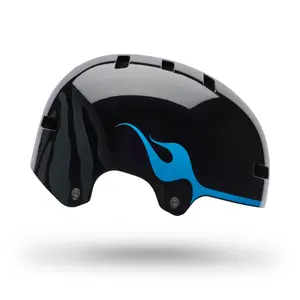
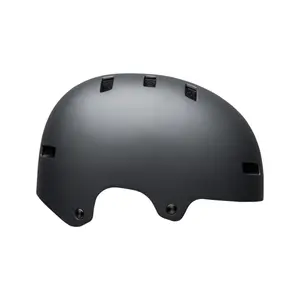
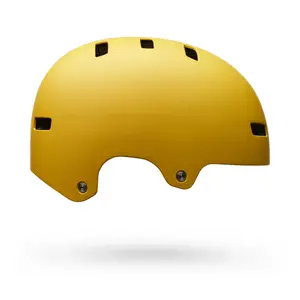
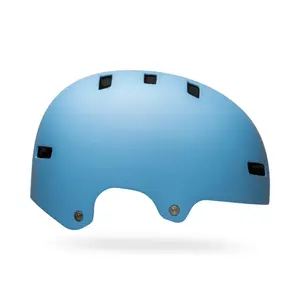
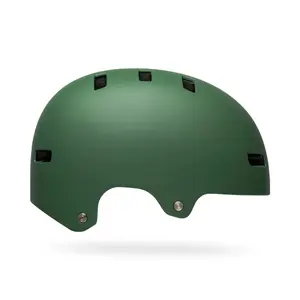

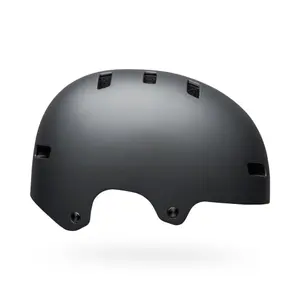
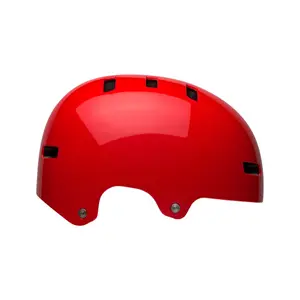
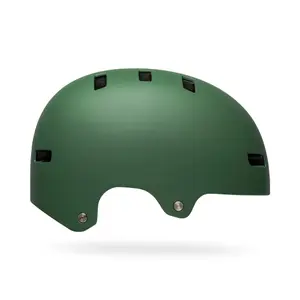
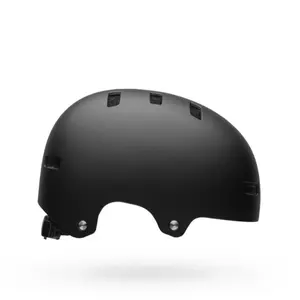
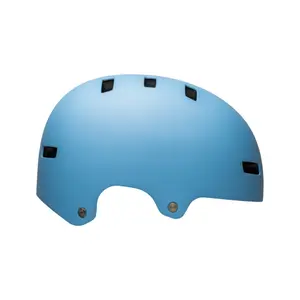
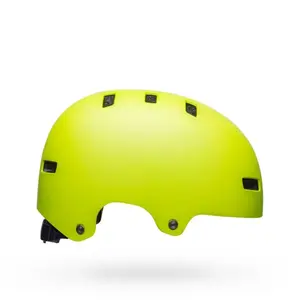
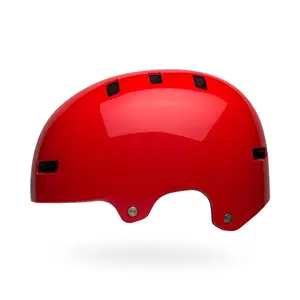
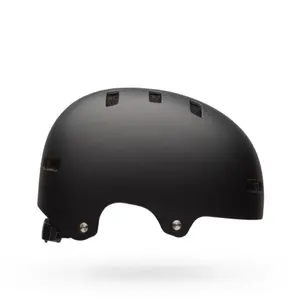
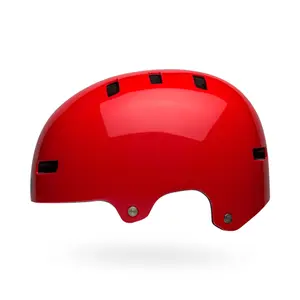


The BMX gear page keeps riders safe, from their first club session to competitions: full-face helmets Fly Racing and Bluegrass for racing, bowl helmets Bern and Giro for freestyle, trousers and jerseys Fly Racing and Kenny, elbow pads Fuse and G-Form, and protective vests S1 for the younger ones. Sizes range from kids' gear to carbon helmets for experienced riders.
From the first tracks to competitions, gear that protects with every fall.
BMX Race Full Face Helmet: Regulations and Standards
In BMX race, the regulations of the Union Cycliste Internationale require, both in training and competition, a full face helmet made from a single piece shell, with no side cuts. Models designed for the track often meet the American standard ASTM F2032, specific to BMX, which demands more extensive coverage of the head than the standard bicycle helmet. The Fly Racing Werx-R, made of carbon, lightens the load for experienced riders on jumps and banked turns, while the Rayce, available in child sizes, supports newcomers in the club. The Bluegrass Vanguard Core, a versatile full-face option, features the MIPS system to protect against rotational impacts.
Bowl Helmet for Freestyle, Park, and Street
In freestyle, on skatepark modules, in dirt, or on the street, most riders prefer the bowl helmet, open at the face, which provides a full field of vision and better ventilation during long sessions. The Bern Macon, with its rounded shape inherited from skating, incorporates the MIPS system, while the Giro Quarter FS, approved for both bike and skateboard, sits low on the neck. The helmet must remain stable when shaking the head, with snug fitting knobs or pads. After a crash where the head has taken impact, it should be replaced, as compressed foam won’t cushion a second hit.
Race Pants and Jersey: Cut and Reinforcements
The race outfit follows the motocross style: a loose-fitting jersey with long sleeves, made of breathable fabric, and pants reinforced at the knees and hips, wide enough to fit knee pads underneath. The Fly Racing Rayce, available in both adult and child sizes, combines abrasion-resistant material with stretchy inserts to accommodate standing pedaling. The Kinetic, more technical, and the Kenny Prolight, which is very lightweight, are aimed at riders who race on weekends. The size is chosen based on waist measurement, with a leg length that doesn’t rub against the chain.
The Selection
Equipment is organized by type:
BMX is complemented with bikes, wheels and tyres, transmission, brakes, components, on the BMX page.
Elbow Pads and Protective Vest for Falls
Elbow pads absorb the impact of the elbow against the track, the first point of contact during a fall in a corner. The G-Form Pro-X3 uses soft SmartFlex foam at rest that stiffens upon impact, in a compression sleeve that doesn’t slip, and the Fuse Echo offers lightweight protection that is barely noticeable under the jersey. For younger riders, the protective vest S1 Defense Pro covers the back and chest, absorbing impacts from the handlebars against the torso and falls backwards. Adjusted by its straps, it fits under the jersey without hindering breathing or arm movements.
Frequently Asked Questions
What size full face helmet for a child in BMX?
Measure the head circumference above the eyebrows and choose the corresponding size, without opting for a larger size to make it last. When well-fitted, the helmet should lightly press the cheeks and not tilt when pushed forward or backward.
What gloves to choose for BMX?
Long gloves with a thin palm maintain feel on the handlebars while protecting the hands, which are the first to touch the ground in a fall. A wrist closure that is soft or slip-on prevents them from slipping during jumps.
Is a mask needed with a full face helmet in BMX?
The mask protects the eyes from dust and dirt kicked up by riders in front. Many race riders go without one on wet tracks, but it is still recommended on dry tracks and in dirt.
What shoes for starting BMX?
For beginners, choose shoes with a flat sole and soft rubber, which grip the pedals' pins and allow quick foot placement. Clip-in shoes come later, when the rider masters starts.
How to maintain a BMX helmet?
Remove the inner foam to wash it by hand in warm soapy water, then clean the shell with a damp cloth, avoiding solvents. Store it in a dry place, away from sunlight and the heat of a car, which can weaken the materials.






