
BMX Transmission: the right gear
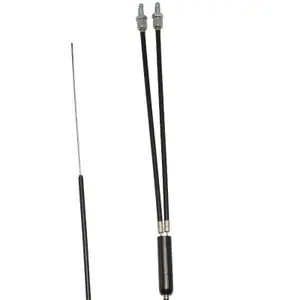
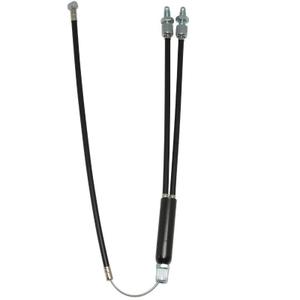
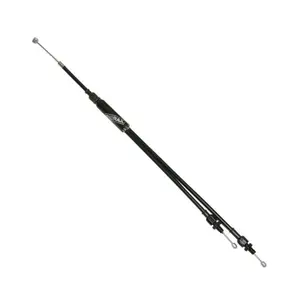
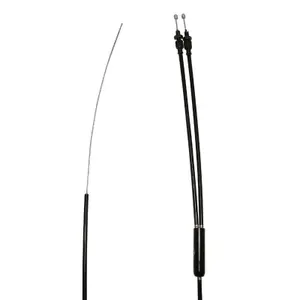
The BMX drivetrain consists of few parts, but each one matters: chains, sprockets, freewheels, chainrings, cranksets, cables, and housings. This page is aimed at the race rider who fine-tunes their gear for the starting grid, as well as the freestyle rider looking for a compact and sturdy drivetrain that can handle jumps and grinds.
One single speed, but a gear ratio to choose carefully depending on the practice.
Chainring and Sprocket: Calculating a BMX Gear Ratio
Without a derailleur, the BMX gets all its speed from a single gear ratio, which is found by dividing the number of teeth on the chainring by that of the sprocket. A 25-tooth chainring paired with a 9-tooth sprocket, a common setup in freestyle, gives a ratio close to 2.8, similar to an old 36 and 13 but much more compact. In racing, riders fine-tune it to the nearest tooth, around 2.6 to 2.9, depending on their power and the length of the straight sections of the track.
A small chainring gives more ground clearance for sliding on a ledge; a large chainring, with more engaged teeth, wears the chain less.
Freewheel, Cassette, or Freecoaster: Choosing the Hub
The freewheel attached to the hub, simple and cost-effective, is fitted on most beginner BMX bikes, with a sprocket of 14 to 16 teeth. The cassette hub integrates its mechanism into the hub body and accepts sprockets of 8 to 10 teeth, known as drivers, which are lighter and stronger: it's the standard for quality freestyle BMX bikes.
The freecoaster allows the back wheel to spin backwards without turning the pedals, making it easier to land tricks in fakie without pedalling backwards. Its slight delay when restarting, adjustable on most models, takes a bit of getting used to.
Half-Link Chain and Three-Piece Crankset
The BMX chain measures one-eighth of an inch wide, compared to three thirty-seconds for a derailleur bike, making it more robust against impacts. The half-link version can be shortened by just one link at a time, which is handy for positioning the wheel exactly where you want it in the frame stays.
The three-piece crankset, consisting of two chromoly cranks and a spindle, usually 19 or 22 millimeters, fits into a Mid, Spanish, or American bottom bracket depending on the frame. The one-piece crankset, made from a single piece, is still found on entry-level models.
The Selection
The drivetrain is organised by part:
The BMX is complemented with bikes, wheels and tyres, brakes, components, gear, on the BMX page.
Chain Tension, Alignment, and Maintenance
A BMX chain that's too loose skips on landing from a jump; if it's too tight, it brakes and wears out the bearings. You adjust it by sliding the back wheel back in the stays until there's about a centimetre of play at the tightest point, which can be found by turning the crankset. Chain tensioners, small pieces mounted on the axle, prevent the wheel from moving forward under load.
The alignment of the chainring and sprocket also matters: any misalignment wears the teeth unevenly. After a session on a dusty track, wiping down the chain and then lightly oiling it makes it last much longer.
Frequently Asked Questions
What gear ratio should I choose to start BMX racing?
A beginner should start with a modest gear ratio, around 2.6, which is easier to accelerate from the start and through bumps. You can increase it as your power grows, starting by changing the rear sprocket, which is simpler to replace than a chainring.
How can I tell if a BMX chain is worn out?
A chain that lifts noticeably from the teeth of the chainring when you pull it forward, or stiff links that catch, indicate wear. A measuring tool confirms elongation; you should replace it before it damages the sprocket.
Why does BMX only have one gear?
A racing heat lasts less than a minute on a short track, and freestyle requires a simple and sturdy bike: a derailleur would be fragile and unnecessary. A single gear keeps the drivetrain light, not sensitive to shocks, and easy to maintain.
What length of cranks should I choose for a BMX?
Most BMX bikes come with cranks from 165 to 180 millimeters, depending on the rider's size and style. Larger racing riders often opt for longer cranks to gain more power at the start, while freestyle riders prefer shorter, more manageable cranks.
Right or left side drivetrain on a BMX: what's the difference?
Most BMX bikes have a right side drivetrain, but some cassette hubs are designed for the left side. This choice benefits riders who do their grinds on the right side: the chain and sprocket are less likely to rub against the edge.






