
BMX peripheral components
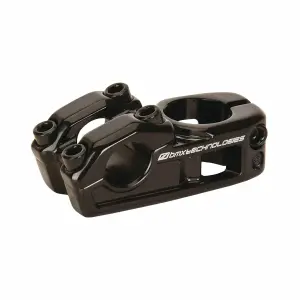
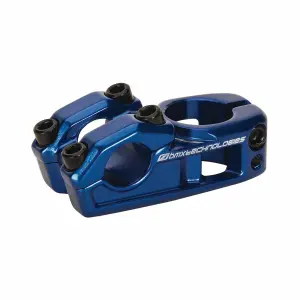
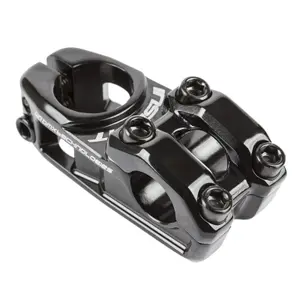
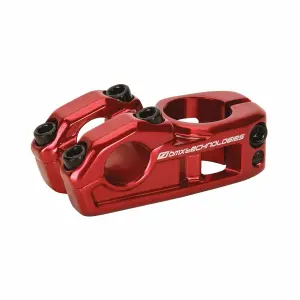
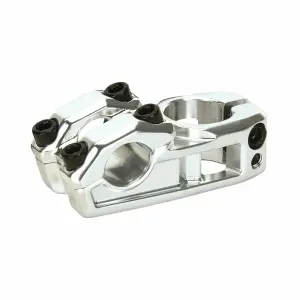
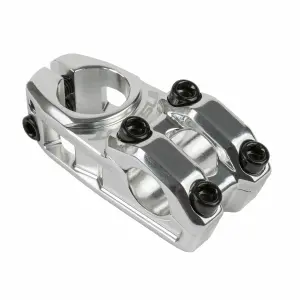
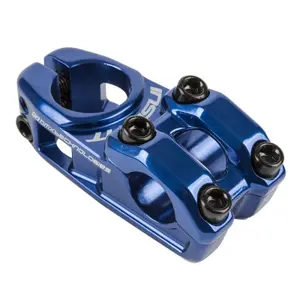
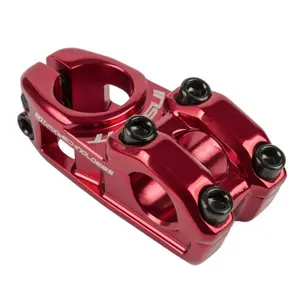
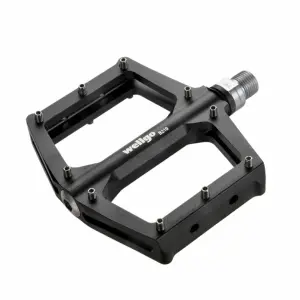
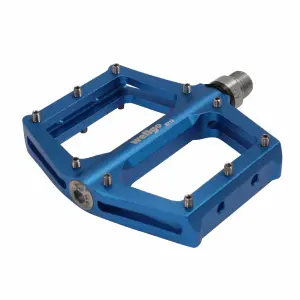
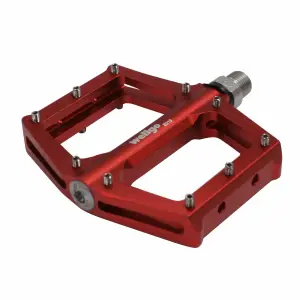
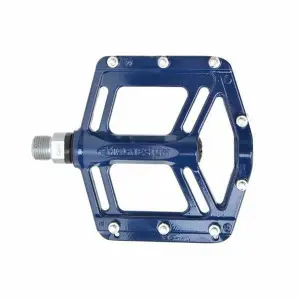
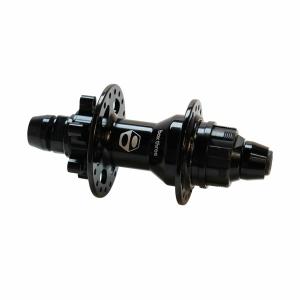
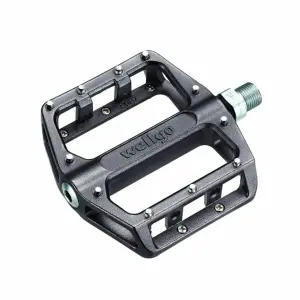
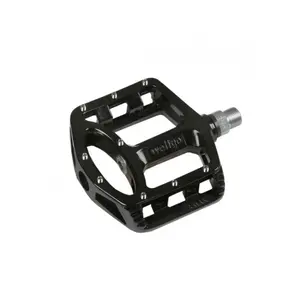
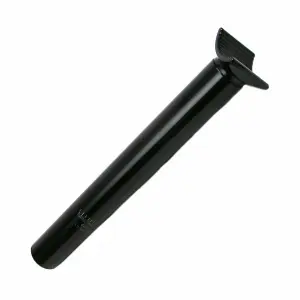
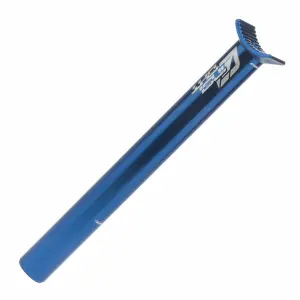
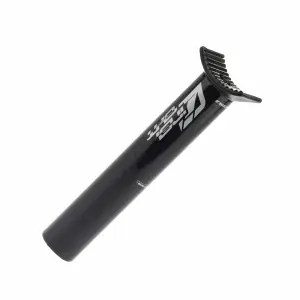
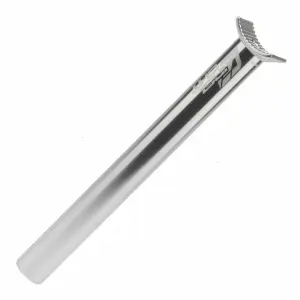


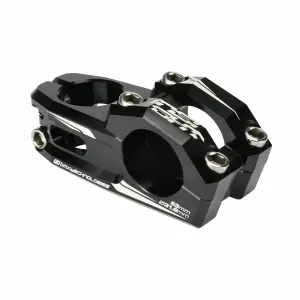
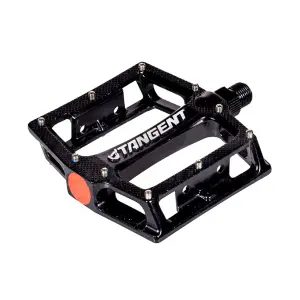
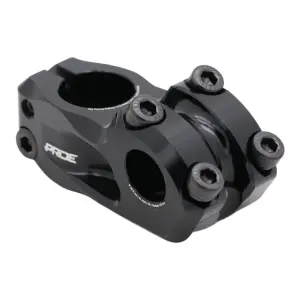
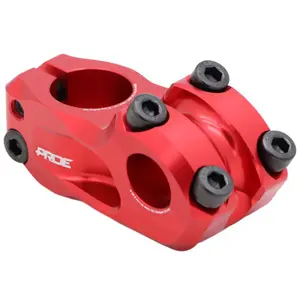
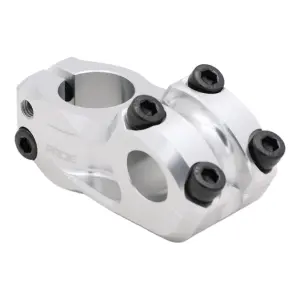
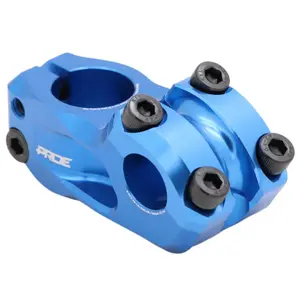
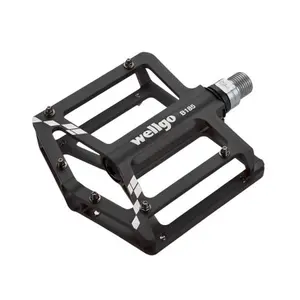
The BMX components page brings together the parts that give character to a freestyle or race bike: Colony forks, Box or Ikon, Insight and Pride stems, thermoplastic or aluminium pedals, Kink pivotal seats and posts, Wethepeople or Insight, up to the Cult seat illustrated with the checkerboard of Vans. From young riders to competitors, everyone customises their bike to suit their style.
The parts that personalise a BMX, which break and are replaced over time as sessions go by.
BMX Fork: freestyle in steel, race in lightweight
The BMX fork freestyle is made from chromoly steel, strong enough to handle landings and grinds on pegs; the Colony Sweet Tooth, signature of rider Alex Hiam, is a good example. Its offset, the distance between the steering axis and the wheel axle, affects the bike's responsiveness and ease in tricks on the front wheel. In racing, lightness and stiffness are paramount: the Box One aims for competition, and the Ikon Tapered Pro features a tapered pivot, wider at the bottom, which improves braking and cornering precision. Before buying, check the wheel diameter, the length of the pivot, and the axle, which can be 10 or 20 millimeters depending on the models.
Top load or front load stem and handlebar
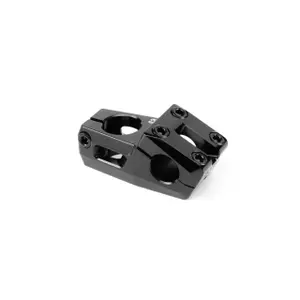
The stem clamps the handlebar either from the top, in a top load style, for a compact setup and lower handlebars, or from the front, in a front load style, with a very firm grip appreciated in street riding. Mini or Junior models, like the Insight stem, shorten the distance to the handlebars for young riders on smaller frames; the Pride Racing Cayman is aimed at competition. The BMX handlebar, made of two pieces connected by a crossbar, should be chosen based on its height, about nine inches for an adult, and its backsweep, the angle that aligns the wrists with the forearms. It can be adjusted in line with the fork or slightly angled back, depending on the style.
Plastic or aluminium pedals
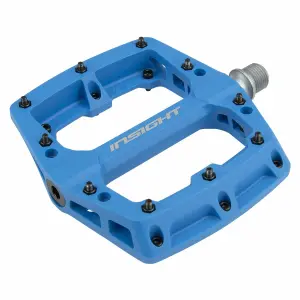
The plastic pedals, like the Insight, are lightweight, grip well thanks to their molded pins, and slide on edges during grinds; inexpensive, they can easily be replaced after a fall. The Wellgo alloy pedals offer a thinner platform and a firmer grip, preferred in racing and dirt. Inside, the axle turns on adjustable bearings, on sealed cartridge bearings that require less maintenance, or on a simple ring. For a BMX with a three-piece crank, the threading is 9/16 inch, while some smaller BMX with a one-piece crank use 1/2 inch: check before ordering.
The selection
The components are organised by part:
The BMX is completed with bikes, wheels and tyres, drivetrain, brakes, gear, on the BMX page.
Pivotal or rail seat: attachment and style
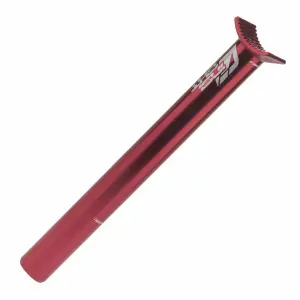
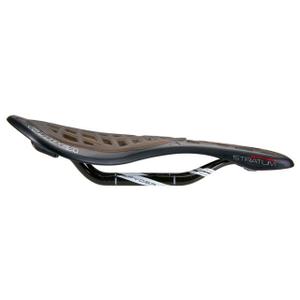
The pivotal system fixes the seat to the post with a single vertical screw that goes through a notched bracket: lighter than a rail bracket, it keeps the seat upright even after repeated falls, which is why it is almost universally adopted in freestyle. Both the seat and the post must be pivotal, like the Kink Williams paired with the Insight post, and the post must match the diameter of the bike's seat tube, often 25.4 millimeters. The Cult illustrated with the Vans Slip-On checkerboard pattern brings the iconic design of skate shoes to personalise the bike. In racing, a slim seat and a longer post allow for seated pedalling during warm-ups.
Frequently asked questions
What is an integrated headset on a BMX?
On most modern BMX bikes, the headset bearings fit directly into the frame's head tube, without separate cups: this is called an integrated headset. When buying, check the diameter of the bearings and the angle of their seats, specific to the bike's standard.
Do I need pegs on the front and rear?
Many riders only place two, on the same side, depending on their leading foot, to lighten the bike. Those who grind on both sides will use four; plastic sleeves slide better on concrete and protect the ramps in skateparks.
How can I prevent a pivotal seat from rotating?
Check that the notches of the bracket fit well into those of the post, then tighten the screw to the recommended torque. If it's the post that rotates in the frame, you'll need to tighten or replace the clamp.
Can a BMX fork accept a brake?
Freestyle forks are often without brake mounts, as many riders prefer riding without a front brake. In racing, only a dependable rear brake is required; therefore, ensure that mounts are present before planning to add a front brake.
How long do plastic pedals last?
It all depends on usage: in street riding, the molded pins wear down and the edges get damaged over months of grinds. When the pedal no longer grips the sole or the axle becomes loose, it's time to replace it.






