
BMX pegs for street
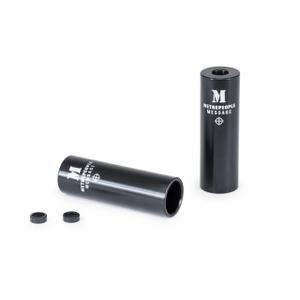
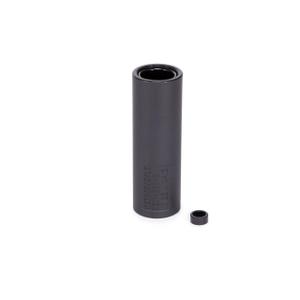
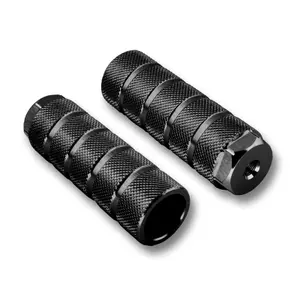
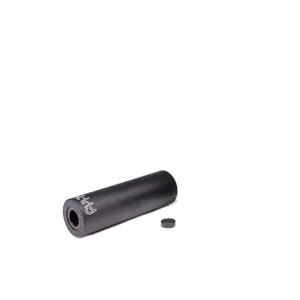
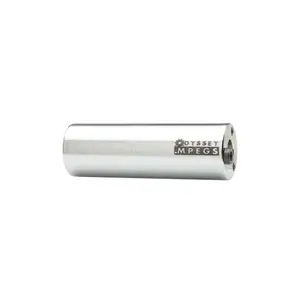
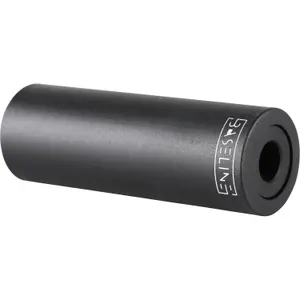
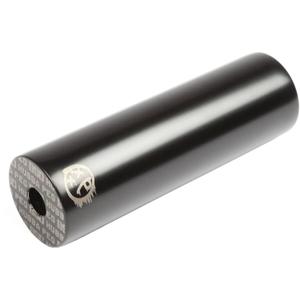
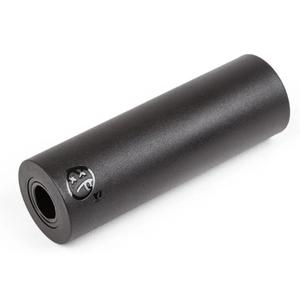
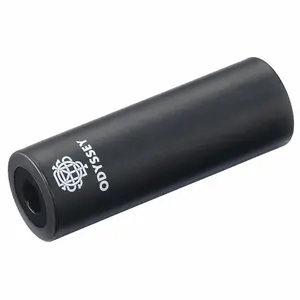
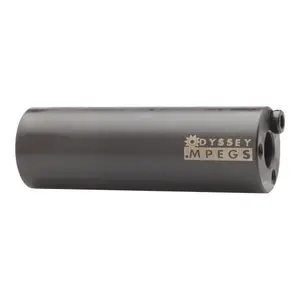
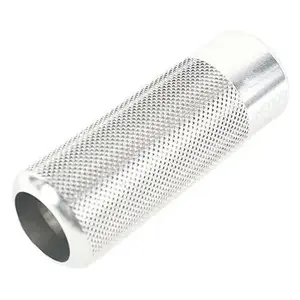
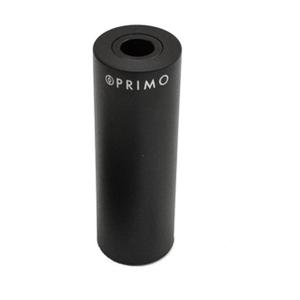
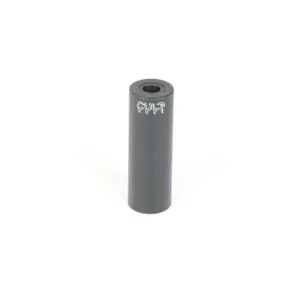
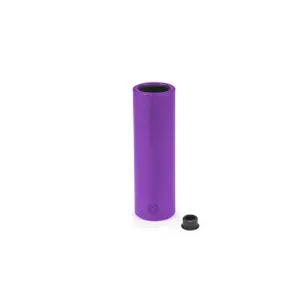
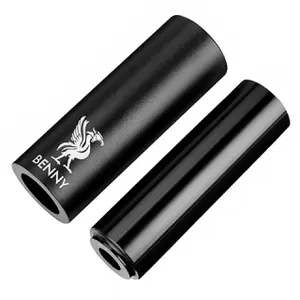
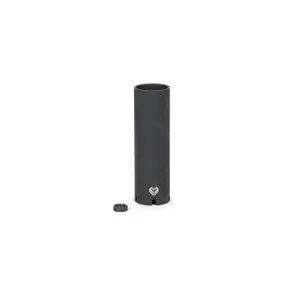
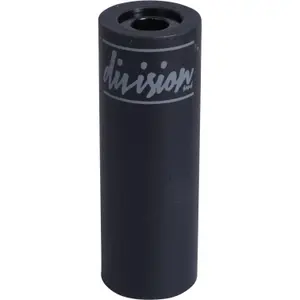
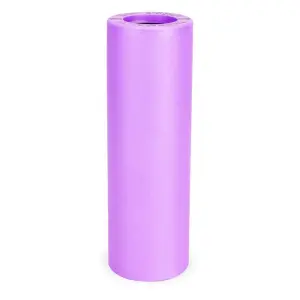
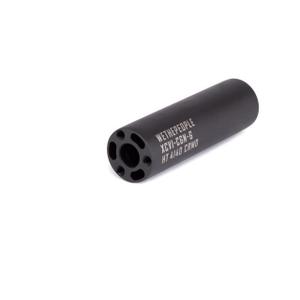
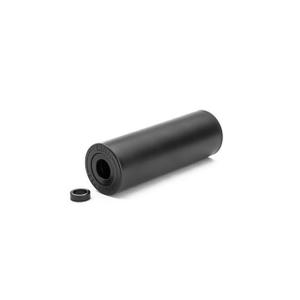
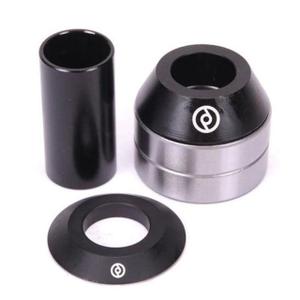
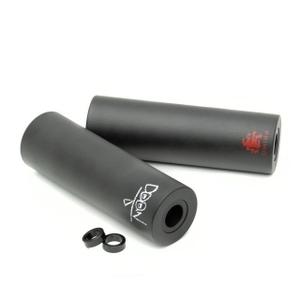
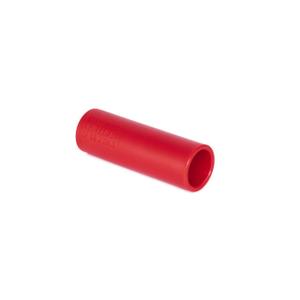
Our BMX pegs page brings together our tips for equipping your street or park bike: the role of pegs in grinds and tricks, materials like steel, aluminium or nylon sleeves, common sizes, fitting onto fourteen or ten millimetre axles with reducer rings, and choosing the side to install them based on your style.
Sliding on rails and edges.
What are pegs for on a BMX
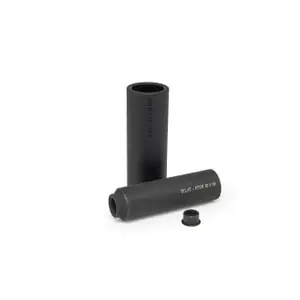
Pegs are tubes fixed on the wheel axles, sticking out on each side of the frame. They serve as foot support during flat tricks, and especially as sliding surfaces for grinds: the rider places one or two pegs on a rail, a ledge, or the coping of a ramp, and slides on them. The double peg grind uses both pegs on the same side; the feeble places the rear peg on the obstacle, with the front wheel passing over; the icepick is done on just the rear peg, with the front wheel lifted. Street riders often equip one side, the one towards which they naturally grind.
The other components
BMX components also come in different types:
All components can be found on the peripheral components page.
Steel, aluminium or nylon sleeve
The chromoly steel peg is nearly indestructible, but it is heavy and grips rough concrete. Aluminium significantly lightens the bike, at the cost of faster wear on sharp edges. A popular mixed solution combines a core made of steel or aluminium with a nylon or hard plastic sleeve: it slides better, doesn't damage painted rails or coping, and can be replaced alone when worn out, without having to buy the whole peg. Many skateparks only accept pegs with plastic sleeves to preserve their ramps and metal edges.
Dimensions and fitting on the axles
Most BMX bikes have a fourteen millimetre axle at the back, and often a ten millimetre axle, known as three eighths of an inch, at the front. Pegs are bored to fourteen millimetres and usually come with a reduction sleeve in steel for the ten millimetre axle. Their length is around eleven centimetres, with a diameter close to thirty-eight millimetres: a longer peg provides a wider support, while a shorter model grips less in tight grinds. The axle nut is tightened over the peg using an appropriate wrench, and it's important to check the tightness after each session, as repeated impacts can loosen it over time.
Good deals
Great deals can also be found in the good deals, promotions, clearance, sales, and Black Friday. The new arrivals showcase the latest collections, and 24h dispatch items are prepared and shipped within 24 hours. The highlights of the year follow a steady order: Black Friday at the end of autumn, the holiday season, the winter sales, the French Days in spring, followed by summer sales and back-to-school.
Frequently asked questions
How many pegs should you put on your BMX?
Two pegs on the same side are enough for most riders, who naturally grind in one direction. Four pegs allow for tricks on both sides, at the expense of a bit of weight and a risk of catching on obstacles.
Do you need pegs to start BMX?
It's not essential: you first learn the bunny hop, manual, and balance. Pegs become useful as soon as you want to tackle your first grinds on a low ledge or flat tricks.
Can you put pegs on a mountain bike or an electric bike?
Only if the wheels are held by solid axles and nuts, which is rare on these bikes with quick-release or through axles. Even if it's possible, it's not recommended: the frame and hubs aren't designed to handle grinds.
How do you change a worn peg sleeve?
You remove the peg from the axle, take out the screw or circlip holding the sleeve, then slide the old one out of the core. The new sleeve slides into place, and the peg can be reattached without altering the rest of the bike.
Are pegs used to carry a passenger?
They weren't designed for that: a passenger standing on the pegs can imbalance the bike, lengthen braking, and risk a serious fall. They are reserved for tricks and grinds done solo on the BMX.






