
BMX headset


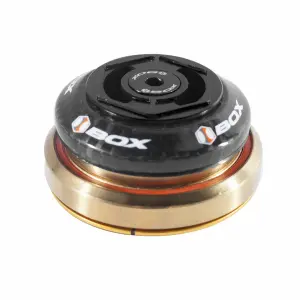


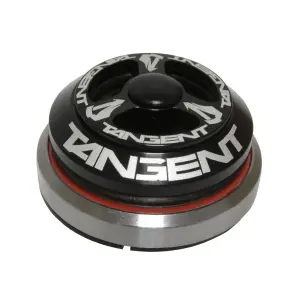
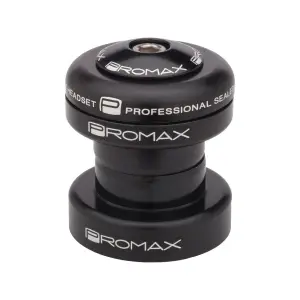


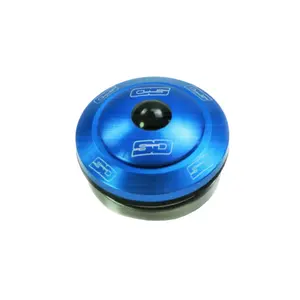


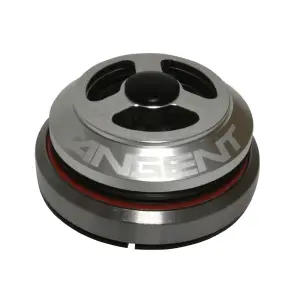


Our page dedicated to BMX headsets explains how the part that connects the fork to the frame works: the different standards, integrated, mid or external cup, the measurements to take before replacing bearings, the installation of the cap and spacers, and the points to watch out for on a headset subjected to landings, barspins, and slides, both in street and park.
A smooth headset, jump after jump.
Integrated, mid or cup-style: recognising your frame standard
The most common standard in BMX is the integrated headset: the bearings sit directly in machined seats inside the head tube, without added cups. The mid headset, found on some frames, fits two cups tightly into the tube, where the bearings sit, hidden from the outside. The external cup headset, often threaded and designed for a 1-inch fork, is used in older BMX bikes. To identify yours, simply remove the fork: if the bearings come out of their housing by themselves, the headset is integrated; if they rest in rings pressed into the tube, it's either mid or external.
The components
BMX components also come in various types:
All components are gathered on the peripheral components page.
Diameter and bearing angles: the measurements to take
A headset bearing is defined by three measurements: its outer diameter, its inner diameter, and the angles of its chamfers, which should match those of the frame and top cap. On most BMX frames with an integrated headset, you'll find bearings with an outer diameter of forty-one point eight millimetres, chamfered at forty-five degrees, for a 1-inch one-eighth fork. Some high-end BMX race frames adopt a tapered headset, with a wider lower bearing. The safest way is to measure the bearing with calipers when removed or to check the frame's technical sheet before ordering a new pair.
Cap, spacers and gyro: the top of the headset
At the top of the fork, the cap covers the upper bearing, and the compression bolt, screwed into the fork, holds everything in place before the stem tightening. Spacers can be added under the stem to raise the handlebar position, as long as the fork protrudes enough. Riders who want to rotate the handlebars a full turn while keeping a rear brake install a gyro: this rotor sits between the headset and the stem, along with its own spacers, and requires a compatible fork and frame. Whatever the setup, the total height of the stacked parts should leave a few millimetres below the top of the stem.
Good deals
Good deals can also be found in good plans, promotions, clearance sales, sales, Black Friday. The new arrivals showcase the latest collections, and items shipped within 24 hours are prepared and dispatched in 24 hours. The major events of the year follow a stable order: Black Friday at the end of autumn, the end-of-year holidays, the winter sales, the French Days in spring, followed by summer sales and back-to-school season.
Frequently asked questions
How do you say ‘headset’ in English?
In English, ‘headset’ is the term used. The technical sheets for BMX frames refer to integrated headset for the integrated type and mid headset for the version with cups housed in the head tube.
How to recognise a threaded headset?
A threaded headset can be identified by its locknut and its upper cup screwed onto a threaded fork, with a top-load stem fitted into the fork. This setup is found in older BMX bikes, while modern frames use a smooth fork, tightened by the stem.
What headset for restoring a vintage BMX?
BMX bikes from the eighties most often use a 1-inch threaded headset with cups and balls. For restoration, you need to measure the thread pitch and cup height, then choose a headset of the same standard to keep the original fork and stem.
Should you grease an integrated headset?
Yes, lightly: a thin layer of grease on the frame seats and on the outer surface of the bearings prevents corrosion and squeaking. Sealed cartridge bearings do not need to be opened; they should be replaced as soon as they become stiff or gritty.
Why is my BMX headset popping?
A popping sound when landing or braking usually indicates that the top cap is not tightened enough, while a squeaking sound when turning points to a dry or dirty bearing. In both cases, it's best to take apart and check before the headset damages the frame’s seats.






