
City bike handlebars and stems


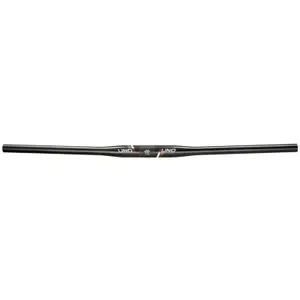


Our selection of Handlebars and Stems for city bikes includes the raised handlebars Ergotec City and Town, the approved steel handlebar Ergotec City EWG, and the straight handlebar P2R for fixie and single speed, along with our tips on finding an upright and relaxed position, checking the clamp diameter, and adjusting the height of your stem.
An upright and relaxed position in the city.
An upright handlebar for a straight back
In the city, the handlebar is designed to be raised and curved back: it straightens the back, relieves the wrists, shoulders and lower back, and clears the view of traffic. The Ergotec City and Town handlebars, with a clamp diameter of twenty-five point four millimeters, the most common on city bikes, illustrate this design, with the ends brought back towards the cyclist. Their moderate width allows for weaving between cars and parking the bike without hassle, while leaving space for the grips, brake levers, gear controls, and the bell.
The components
City bike components also come in:
All components can be found on the peripheral components page.
Safety Level Ergotec and fixie handlebars
Ergotec classifies its handlebars and stems according to a Safety Level from one to six: the higher the level, the more the part can withstand demanding uses and heavy loads, from city bikes to cargo bikes. The Ergotec City EWG steel handlebar is homologated to level three. When the handlebar and stem show different levels, the lower one applies to the whole, a point to check before pairing two parts. The fixie handlebar P2R, straight, narrow, and made of aluminium, provides a sportier position and a look for single speed bikes, appreciated in the city for their low maintenance.
Quill stem or adjustable stem
The stem connects the handlebar to the fork steerer and fixes its height and reach. Many city bikes still have the quill stem, inserted into the steerer and secured by a wedge: it is raised or lowered by loosening the upper screw, without ever exceeding the minimum insertion mark engraved on the tube. Adjustable angle stems allow for raising the handlebar a few centimetres for a more upright position. Make sure the clamp diameter of the stem matches the handlebar, then tighten to the specified torque.
Good deals
Good deals can also be found in the good plans, promotions, clearance sales, sales, Black Friday. The new arrivals showcase the latest collections, and items shipped within 24h are prepared and dispatched in 24 hours. The highlights of the year follow a steady order: Black Friday at the end of autumn, the end-of-year holidays, winter sales, French Days in spring, followed by summer sales and back-to-school.
Frequently asked questions
How do I know the diameter of my city bike handlebar?
Measure the central part clamped by the stem: twenty-five point four millimetres on most city bikes, thirty-one point eight on more recent models. At the ends, the grip area generally measures twenty-two point two.
Do I need to change the cables when mounting a higher handlebar?
Often, yes: a higher or further back handlebar moves the levers away, and the brake and gear cables can stretch while turning. Check by turning the handlebars fully from side to side before riding.
How do I adjust the angle of my city handlebar?
Loosen the stem and rotate the handlebar until the grips fall naturally under your hands, with wrists in line with the forearms. Then tighten to the specified torque, crosswise on cap-style stems.
Is a fixie handlebar suitable for daily journeys?
For short journeys, yes: narrow and straight, it makes the bike lively and agile in traffic. For long distances, its more leaned position tires out the wrists and back more than a city raised handlebar.
How can I tell if my stem is a quill stem?
A quill stem inserts into the steerer tube and has a screw on top, with no clamping screw on the side of the steerer. A modern stem, called ahead, instead clamps around the outside of the steerer with two side screws.






