
City bike inner tubes


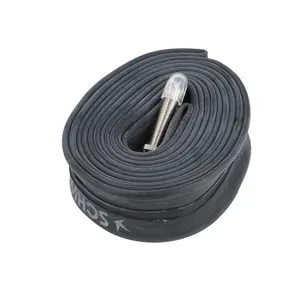


Our selection of inner tubes for city bikes brings together the Durca tubes in the main urban sizes, Hutchinson, Continental, Vredestein, XLC and Bike Original, with Dunlop, Presta or Schrader valves, along with our tips for reading tyre sizes, choosing the right valve and avoiding punctures on a daily basis.
The right tube for every family wheel.
Read the ETRTO size on the side of the tyre
The size of an inner tube is read according to the ETRTO standard: two numbers in millimetres, such as forty-seven and six hundred and twenty-two, indicate the width of the tyre and the rim diameter at the bead. Adult city bikes mainly use six hundred and twenty-two, the twenty-eight inches also known as seven hundred, five hundred and eighty-four, the twenty-seven and a half inches, or five hundred and fifty-nine, the twenty-six inches. The tube must match this exact diameter and a width range that includes that of the tyre: a Durca tube designed for forty-seven to fifty-seven millimetres in six hundred and twenty-two is suitable for a fifty millimetre tyre.
The rest of the wheel
Wheels, tyres and braking systems also come in:
The whole universe can be found on the wheels, tyres and braking page.
Dunlop, Presta or Schrader valve: which one to choose
The valve is chosen based on the hole in the rim: about six millimetres for the Presta, eight and a half for the Schrader and the Dunlop. The Dunlop, known as the bike valve or standard valve, is fitted to many Dutch and urban bikes. The Presta, thin and light, is found on sportier city bikes and holds high pressure well. The Schrader, identical to that of cars, can be inflated at a petrol station. For a high rim, a long valve is used: Hutchinson thus offers tubes with a forty-millimetre valve that extend enough to accommodate the pump tip.
Butyl, pressure and rim tape against punctures
Most tubes are made of butyl, a waterproof synthetic rubber that keeps pressure for several weeks. In the city, punctures mainly result from glass shards and pinches when going up a curb: an under-inflated tube gets stuck between the rim and the obstacle, causing two small parallel cuts. Therefore, it’s important to check the pressure every week and inspect the rim tape, which isolates the tube from the rim holes. Hutchinson, a manufacturer founded in France in 1853, and Continental, established in Hanover in 1871, are among the oldest rubber specialists.
Good deals
Good bargains can also be found in good deals, promotions, clearing sales, sales, and Black Friday. The new arrivals showcase the latest collections, and items shipped in 24h are prepared and dispatched within 24 hours. The highlights of the year follow a regular pattern: Black Friday at the end of autumn, holiday season, winter sales, French Days in spring, followed by summer sales and back-to-school promotions.
Frequently asked questions
Which inner tube for a twenty-eight inch city bike?
The twenty-eight inches corresponds to a diameter of six hundred and twenty-two millimetres, the same as the seven hundred. You then choose the width range that covers that of the tyre, often between thirty-two and fifty millimetres on an urban bike.
How to change the inner tube of the rear wheel?
You place the chain on the smallest cog, open the brake if necessary, then loosen the axle to take out the wheel. On a hub with integrated gears, you first disconnect the control cable; it's also possible to repair without removing the wheel.
Is there a puncture-proof inner tube?
No inner tube is completely puncture-proof. The risk is greatly reduced with a tyre featuring a puncture-resistant belt and well-maintained pressure; a preventive liquid injected through the valve also seals small punctures.
How to repair a bike inner tube?
You locate the hole by inflating the tube and submerging it in water, then lightly sand the area. Apply glue, wait for it to become matte, and press the patch firmly in place. Before reassembling, check for any shards left in the tyre.
How to fit an inner tube without pinching it?
Inflate the tube slightly to give it shape, slide it into the tyre starting with the valve, then press the bead back in by hand, avoiding using tyre levers if possible. Before inflating, check that the tube is not protruding anywhere under the bead.






