
Wheels, Tyres and Braking of the City Bike




Starting at £408.55
£331.81

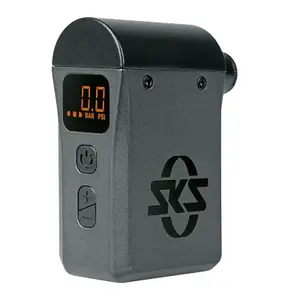



The wheels, tyres and brakes for city bikes are gathered here to ride every day without a nasty surprise: puncture-resistant tyres, inner tubes, wheels, pumps, drum brakes, V-brakes and pads, from Schwalbe, Continental, Hutchinson, Deli, Durca, Shimano or XLC. Each part is chosen based on the wheel size, brake type and the weight of the bike, electric or not.
Ride every day without a flat, and brake safely in the rain.
Puncture-proof tyres: Continental Ride Tour and Schwalbe Marathon
A city tyre faces glass, gravel, and curbs. The Continental Ride Tour has a protective layer beneath the tread and comes in widths of 32, 42, or 47 millimetres; its reflective side version reflects the light from headlights on the sides. The Schwalbe Marathon, a go-to for commuting, relies on durable rubber and a reinforced casing that can handle a lot of miles.
Wider tyres absorb cobblestones and potholes: from 35 to 47 millimetres, they add comfort and stability, especially on a bike loaded with panniers.
Drum, V-brake or disc: braking in the city
The drum brake Shimano Nexus, with rollers, is operated by cable and works inside the hub: it brakes in the same way in the rain and wears very little, but needs specific grease to remain smooth. The V-brake, like the XLC Mini V-Brake, clamps two pads on the rim with a lot of power for an easy adjustment; the pads are replaced as soon as the grooves wear away.
The disc brake, common on electric and cargo bikes, stops a heavy bike better. In France, every bike must have two brakes, one at the front and one at the back.
Inner tubes, valves, and ETRTO notation
The inner tube is chosen based on the two ETRTO numbers of the tyre: 47-622 refers to a 47-millimetre tyre on a 700 wheel, 37-590 a tyre on a 650 A, which is still found on older French city bikes. The Durca tubes indicate a range of widths and a bead diameter, allowing one reference to cover several sizes.
The valve must match the rim hole: Presta, thin and with a nut, or Schrader, like on a car, which you inflate at a petrol station. A thicker tube resists pinch flats better on curbs.
The selection
The page is organised by type:
The city bike is completed with bikes, drivetrain, components, luggage and transport, gear, on the city page.
Pressure and pump: maintaining city tyres
A city tyre loses some air every week, even without a puncture. If it's under-inflated, it wears out at the sides, slows the bike down, and puts the tube at risk of pinch flats against a curb. The pressure range marked on the side serves as a guide: inflate towards the top of the range for a loaded or electric bike, a bit less for more comfort.
A floor pump with a gauge maintains the same pressure from one inflation to the next; a small hand pump, tucked into the pannier, is handy on the road. Checking every two weeks is enough for most daily rides.
Frequently asked questions
How do you fix a puncture on a city bike?
You take out the tube, inflate it to find the leak, then stick a patch on the sanded and dried area. Before putting it back, check the inside of the tyre with your fingers to remove any shard of glass or thorn that caused the issue.
How do you remove a rear wheel with internally geared hub?
First, shift to the gear indicated by the manufacturer to slacken the cable, then disconnect it from the hub before loosening the axle nuts. On a drum brake, the reaction arm also detaches from the frame.
Why does a V-brake squeal when braking?
A dirty, hardened, or poorly aligned pad often causes this noise. Clean the rim, lightly sand the rubber and adjust a slight angle, with the front of the pad touching the rim just before the back.
Which tyre to choose for an electric city bike?
An electric bike goes faster and is heavier: choose a tyre approved for this use, often marked E-25 on the side, with a reinforced casing and puncture protection. A width of 42 to 55 millimetres adds comfort.
When to change a city bike tyre?
Cracks on the sides, a flattened tread, or the protective layer visible at the bottom of a cut require replacement. The rear tyre, which carries more weight, always wears out the first and should be monitored closely.






