
Nutrition and hydration for cyclists


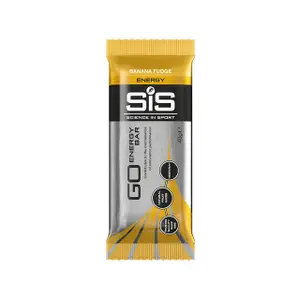


The bike nutrition page brings together the bottles and flasks that accompany every ride: Elite Fly and Jet bottles, lightweight and flexible, Camelbak Podium with self-sealing valve, screw-top bottles from Spécialités T.A., thermos models Elite Nanofly and Hydratis, tool bottle Race One. From a one-hour ride to a long day in the saddle, there's everything you need to stay hydrated without letting go of the handlebars.
Drinking and eating regularly is the key to finishing a long ride without hitting a wall.
Capacity and valve: choosing your bottle
The capacity is chosen based on the time between two water points: five hundred to six hundred millilitres for a short outing, seven hundred and fifty for regular use, up to nine hundred and fifty millilitres for hot days, a size offered by the Elite Jet and Elite Fly. The Elite Fly, very light at just fifty-four grams in the five hundred and fifty millilitre version, squeezes easily. The valve also makes a difference: the one on theCamelbak Podium opens when you squeeze the bottle and closes itself, without leaking, while the screw-top bottle from Spécialités T.A., translucent, lets you see the level at a glance and is easy to clean.
Insulated bottle for drinking cold or hot
The insulated bottle keeps the drink at temperature longer than a standard bottle, a bonus during summer outings in the sun or winter mornings. The Elite Nanofly, with a double wall lined with aerogel insulation, keeps a drink hot or cold for up to about four hours and can handle liquids up to one hundred degrees, perfect for carrying hot tea in winter. The insulated flask Hydratis and the Race One Igloo keep water cool for a good part of the outing. On the downside, an insulated bottle is heavier and doesn't squeeze as easily: it's best reserved for outings where temperature matters.
How much to drink and eat per hour of riding
On a bike, the wind dries sweat and masks thirst: you sip little by little every ten to fifteen minutes, often around one bottle per hour, more in hot weather. After an hour to an hour and a half, just water isn't enough: an energy drink provides sodium and sugars to make up for sweat loss. To avoid hitting the wall, the usual recommendations suggest an intake of between thirty and sixty grams of carbohydrates per hour, up to ninety grams during long, intense efforts for cyclists used to digesting them. You then alternate between drinks, gels, and bars, all tested during training.
The selection
Nutrition is organized by type:
Other equipment, road, MTB, BMX, urban, electronic, protection, accessories, can be found on the equipment page.
Bottle holder, tool bottle, and hygiene
Most road and gravel frames have two bottle holder spots, in the standard size of seventy-four millimetres in diameter, which is compatible with bottles from Elite, Camelbak, or SKS. The second can hold the tool bottle Race One, which stores a spare inner tube, tyre levers, and a multi-tool without adding a saddle bag. In terms of hygiene, a sweet drink left in a closed bottle encourages mould: rinse it out when you get back, take apart the valve, and let it dry open, upside down. A bottle that’s scratched on the inside or retains a smell needs replacing.
Frequently asked questions
How many calories do you burn cycling?
The expenditure varies depending on weight, pace, and terrain: an adult cycling at a moderate pace on the road typically burns between four hundred to six hundred kilocalories per hour, much more when climbing or racing. On a long ride, it's important to eat before you feel hungry.
Do you burn calories on an electric bike?
Yes, because the motor only helps when you pedal. The expenditure depends on the level of assistance chosen: it’s usually lower than on a standard bike on the same route, but it is often offset by longer and more frequent rides.
What to eat on a long-distance cycling outing?
At the start of the ride, focus on solid foods like cereal bars, fruit chews, or small savoury sandwiches, eaten in small amounts every thirty to forty-five minutes. Gels, which are quicker to digest, take over in the final few kilometres.
When to take an energy gel while cycling?
Take it fifteen minutes before the effort that requires it, a hill or a fast finish, so that the sugars are available in time. Drink a few sips of water with it, as this aids digestion and prevents nausea.
What to drink after a bike ride?
First, rehydrate with water, possibly using mineral-rich water to make up for sweat loss. After a long effort, a recovery drink that combines carbohydrates and proteins, taken within an hour, helps muscles to recover.






