
Energy gels for cycling
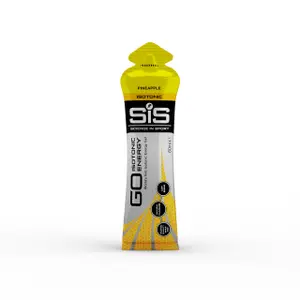


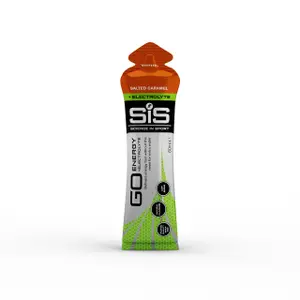


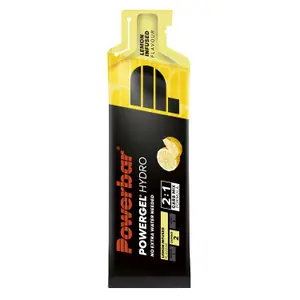

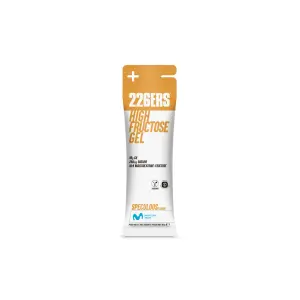


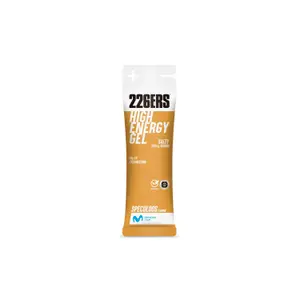
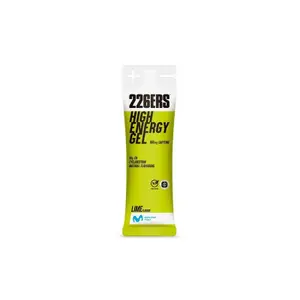
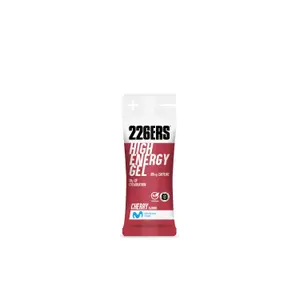
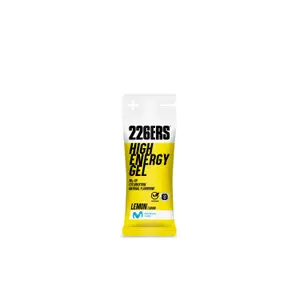
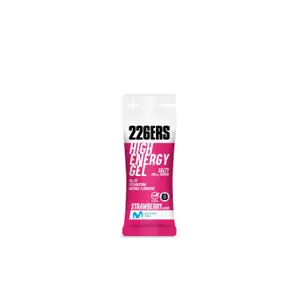
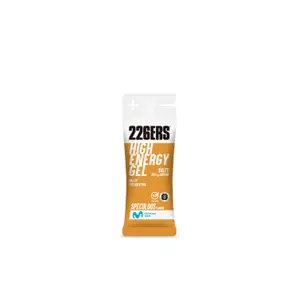
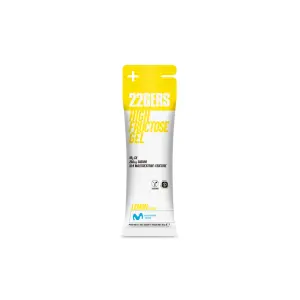
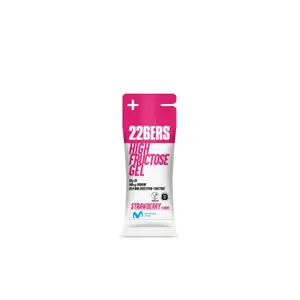
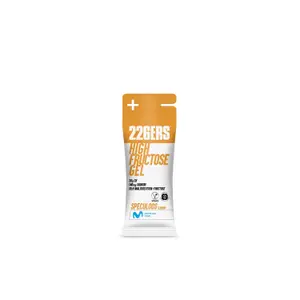
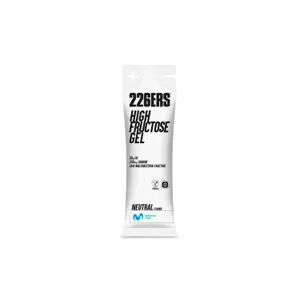
Our page Energy Gels brings together our tips for using gels on your bike: timing of intake, carbohydrate contribution per hour, combination of glucose and fructose, caffeinated gels, pairing with bars and drinks, and organisation of fueling during sportives and long rides.
Quick energy, without leaving the handlebars.
Energy without chewing
On outings of over two hours or in sportives, glycogen stores get depleted and hunger strikes. The gel, quick to swallow, requires no chewing: it can even be taken on a climb or at high intensity, when a bar would be difficult to eat. It fits in a jersey pocket and provides available energy in just a few minutes.
The rest of nutrition
Bike nutrition also includes:
All nutrition can be found on the nutrition page.
The right rhythm
We aim for sixty to ninety grams of carbohydrates per hour during long efforts, combining gels, bars, and drinks. A gel provides about twenty to twenty-five grams: one should be taken every thirty to forty-five minutes, starting from the first hour, without waiting for fatigue. Gels that combine glucose and fructose allow for better carbohydrate absorption without digestive issues, as the two sugars use different pathways.
Varying intakes
On a long ride, alternate: bars and solid foods in the first part, at moderate intensity, then gels as the effort increases and at the end of the ride. Caffeinated gels, saved for the finish, give an extra boost. Always drink a few sips of water with a regular gel, and keep empty wrappers in your pocket until you find the next bin.
Good deals
Good deals can also be found in good plans, promotions, clearance, sales, and Black Friday. The new arrivals showcase the latest collections, and items shipped within 24 hours are prepared and dispatched in 24 hours. The highlights of the year follow a consistent order: Black Friday in late autumn, the end-of-year holidays, winter sales, spring French Days, then summer sales and back to school.
Frequently asked questions
How many gels should I take during a bike ride?
After the first hour, it’s generally one gel every thirty to forty-five minutes, aiming for thirty to sixty grams of carbohydrates per hour depending on the intensity. Always test your strategy during training before a sportive.
Should I drink water with an energy gel?
Yes, a few sips of water help digest the gel, which is very concentrated in sugars, and prevent digestive issues. Isotonic gels, being more liquid, require less water, which is handy when the bottle is nearly empty.
When should I take a caffeine gel?
Save it for the second half of a long ride, the last hour of a sportive, or before a tough climb for a boost of alertness. Avoid overdoing it and taking it late in the day to preserve sleep.
Why combine glucose and fructose in a gel?
These two sugars enter the body through different transporters: combining them allows for more carbohydrates to be absorbed per hour with less digestive discomfort. It’s the preferred formula for long and intense efforts.
Can I make an energy gel at home?
Yes, a mix of honey, maple syrup, or blended dates with a pinch of salt works well for training. Store-bought gels remain more convenient in competition, with precise dosing and a format that fits in the jersey pocket.






