
Performance drinks for cycling
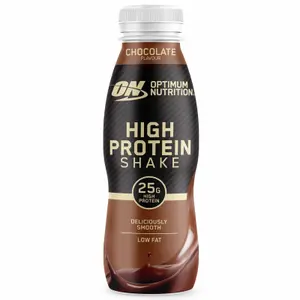
Our Drinks page brings together our hydration tips for cycling: isotonic, hypotonic or recovery drinks, how much to drink per hour depending on the heat, sodium intake to prevent cramps, carbohydrates for energy, and how to organize bottles during long rides.
Drink before you feel thirsty.
Before You Get Thirsty
On a bike, the wind from speed masks sweat: you lose a lot of water without noticing. Even a moderate loss of water reduces performance, increases heart rate, and promotes cramps. The golden rule: drink regularly, in small sips, every ten to fifteen minutes, even before you feel thirsty, which always comes too late.
The Rest of Nutrition
Bike nutrition also includes:
All nutrition is brought together on the nutrition page.
Three Formulations
The isotonic drink, with a concentration close to that of blood, is absorbed quickly: it provides water, carbohydrates, and minerals during exercise. The hypotonic drink, more diluted, focuses on hydration in high heat. The recovery drink, high in carbohydrates and proteins, should be consumed within the hour following the ride, to replenish stores and repair muscles.
How Much
The general target is five hundred to seven hundred and fifty millilitres per hour, more in high heat, which is about one bottle per hour. The sodium, lost in sweat, must be replaced during long rides to prevent cramps. For rides longer than two hours, take two bottles, or a pack for hydration while mountain biking, and note the water points along the route.
Good Deals
Good deals can also be found in good plans, promotions, clearance, sales, Black Friday. The new arrivals feature the latest collections, and items shipped in 24h are prepared and sent out within 24 hours. The major events of the year follow a steady order: Black Friday at the end of autumn, the year-end holidays, the winter sales, the French Days in spring, then the summer sales and back to school.
Frequently Asked Questions
What is the difference between isotonic and hypotonic drinks?
The isotonic drink, with a concentration close to that of blood, provides water, sugars, and minerals for long effort. The hypotonic, less concentrated, hydrates faster and is suitable in high heat when the main goal is to drink.
How much should you drink per hour while cycling?
Typically, it’s between half a litre and a litre per hour depending on heat, intensity, and sweating. The ideal is to sip small amounts every ten to fifteen minutes, even before feeling thirsty.
Does sodium help prevent cramps?
Sodium compensates for salt loss through sweating and promotes the retention of ingested water. A drink that contains it helps reduce the risk of cramps, especially during long, hot rides.
Why take a recovery drink after exercise?
Taken within an hour after the ride, it provides carbohydrates and proteins to replenish energy stores and repair muscles. It speeds up recovery between closely scheduled sessions.
Can you make your own sports drink at home?
Yes, by mixing water, a bit of fruit juice or syrup, and a pinch of salt. However, commercial preparations more accurately measure carbohydrates and sodium, which are useful for long efforts.






