
Mountain bike and downhill elbow pads


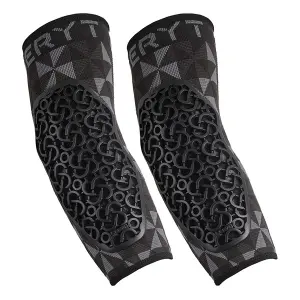
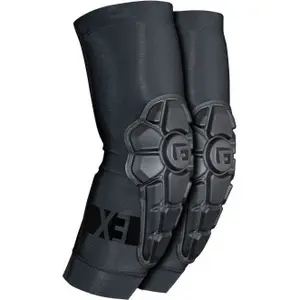
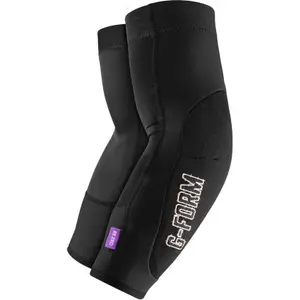
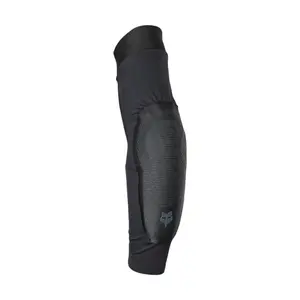
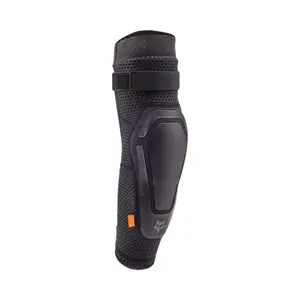


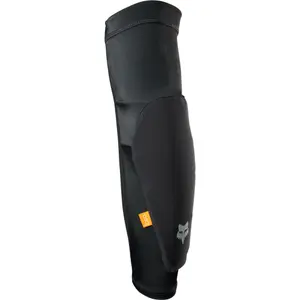
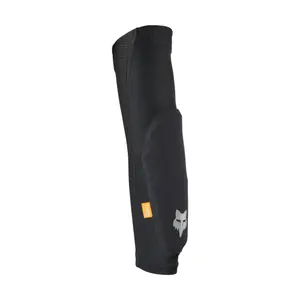
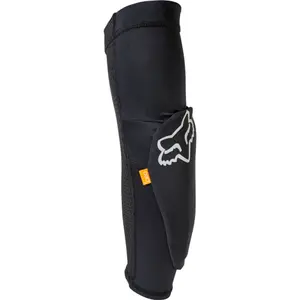
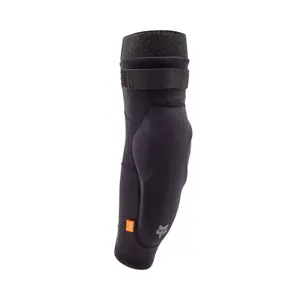

Our selection of MTB elbow pads includes soft and lightweight protections to wear throughout the ride, such as the G-Form Pro Rugged and E-Line, the Evoc LS Flex Lite, or the Fuse Echo, models with removable foam like the Race Face Indy, as well as the 7iDP Transition, pre-shaped and certified to level two, and the Voox Enduro, to protect your elbows while trail riding, enduro, and downhill.
Protected elbows, with no hindrance when pedalling.
Soft foams that harden on impact
Most mountain bike elbow pads no longer rely on a hard shell but instead use viscoelastic foams, which are soft at rest and stiffen at the moment of impact to distribute the energy. G-Form has made this principle its signature with its RPT technology, incorporated into the Pro Rugged and E-Line, which fit around the arm like a sleeve. The Fuse Echo encloses a SAS-TEC foam in perforated neoprene, the Evoc LS Flex Lite uses a LiteShield Flex protector made of thermoplastic elastomer, and the Race Face Indy houses a removable D3O foam, which can be taken out before machine washing the sleeve.
Other protections
Bicycle protections are also available as:
All protections are gathered on the protections page.
EN 1621-1 standard: level one or level two
The EN 1621-1 standard, derived from motorcycle equipment, measures the force transmitted to the arm when an impact strikes the protection. It distinguishes two classes: level one, sufficient for trail and enduro, and level two, which allows significantly less force and targets downhill and bike park. The Evoc LS Flex Lite is certified at level one, the 7iDP Transition at level two, and the G-Form Pro Rugged also meets this standard. The Race Face Charge follows a different logic: light and not certified against impacts, it mainly protects the skin from abrasions during slides.
Arm circumference, fit and pre-shaped design
An elbow pad is chosen by the arm circumference: you measure the lower part of the bicep, a few centimeters above the elbow, and sometimes the forearm below the joint, before referring to the brand's size guide. When well-fitted, it does not twist on the arm and does not slip down during descents; the silicone bands at the ends of the sleeve and, on some models, an adjustable strap ensure this fit. The pre-shaped models, like the 7iDP Transition or the Fuse Echo, conform to the rider's bent arm position: a bit stiff when putting them on, they are forgotten once on the bike.
Good deals
Good deals can also be found in the good deals, promotions, clearance, sales, Black Friday. The new arrivals showcase the latest collections, and articles shipped in 24h are prepared and sent out within 24 hours. The key events of the year follow in a stable order: Black Friday at the end of autumn, the year-end holidays, the winter sales, the French Days of spring, then the summer sales and back to school.
Frequently asked questions
Why wear elbow pads in enduro?
During a fall on the side, the elbow often touches the ground first, and stones or roots can easily cut it. In enduro, a light and certified elbow pad can also be worn during transitions, which avoids the need to put it on before each stage.
Are there kids’ bike elbow pads?
Yes, several brands offer their elbow pads in small sizes, to be chosen based on arm circumference rather than age. For a child who is starting out on pump tracks or mountain biking, a soft slip-on model that doesn't restrict movement will be more willingly worn.
Can you wear elbow pads under a jersey?
Yes, thin sleeve elbow pads can slide under a long-sleeve jersey, which keeps them in place and adds a layer against abrasion. Thicker models are better worn over or under a loose sleeve to avoid compressing the arm.
When should you replace your mountain bike elbow pads?
You should replace them when the foam is cracked or compressed, when the fabric is torn after a fall, or when the elastics no longer hold them in place. Stored away from heat and sunlight, viscoelastic foams retain their properties for a long time.
Short or long elbow pad on the forearm: what to choose?
Long elbow pads, which extend over the forearm, offer better protection during slides on rocks and stay in place more securely thanks to their larger contact area. Shorter models, which are more breathable, are suitable for long trail rides in warm weather.






