
Bike, MTB and BMX knee pads


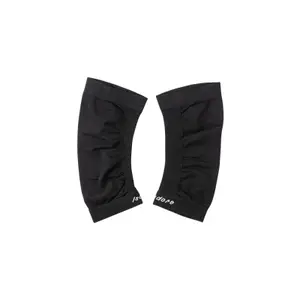


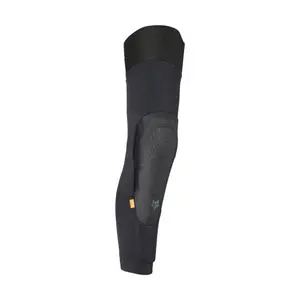
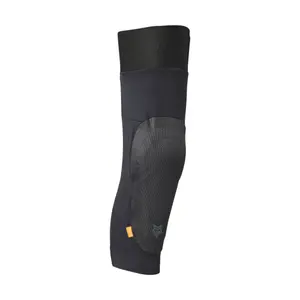
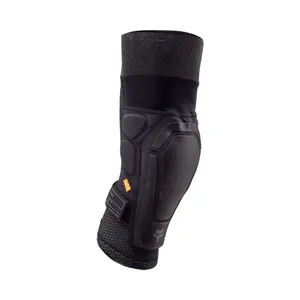


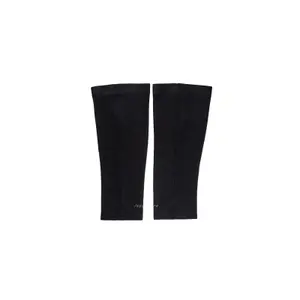
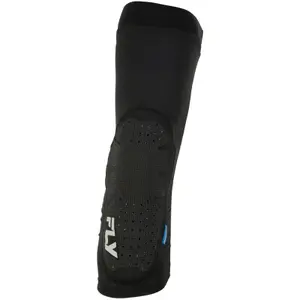


Our Knee Pads page brings together our tips for protecting your knees while cycling: soft viscoelastic foam knee pads for trail and enduro, hard shells for downhill and BMX, shin protection, European standards, size and support, so you can ride with confidence without hindering your pedalling.
Protected knees, without hindering your pedalling.
An essential piece of equipment
The knee is one of the joints most at risk during a bike fall, especially in mountain biking and BMX, where you often fall forward. Knee pads absorb impact and protect against scrapes on stones and roots. They have become common gear in enduro, downhill, and bike parks, and are mandatory in many competitions.
Other protections
The protections also include:
All protections can be found on the protection page.
Soft or hard
Soft knee pads use viscoelastic foam, like D3O, which remains flexible at rest and hardens on impact. Lightweight and comfortable, they can be worn all day, including during climbs, in trails and enduros. Knee pads with a hard shell, which offer more protection, slide on the ground during a fall: they are suitable for downhill and BMX racing.
Size and fit
A knee pad must be well-fitted: too loose, it will slip and no longer protect; too tight, it will cut off circulation. Measure the circumference of the knee and thigh, and choose a model with silicone bands and adjustable straps. The European standard EN 1621-1 ensures the level of protection. Models with shin protection are suitable for flat pedals.
Good deals
Great deals can also be found in good deals, promotions, clearance, sales, Black Friday. The new arrivals feature the latest collections, and items shipped in 24h are prepared and dispatched within 24 hours. The key events of the year follow a steady pattern: Black Friday in late autumn, the year-end festivities, the winter sales, the French Days in spring, followed by the summer sales and back-to-school.
Frequently asked questions
Soft or hard shell knee pads: what to choose for enduro?
Soft knee pads with viscoelastic foam remain comfortable while pedaling and harden on impact: this is the choice for trail and enduro. Hard shells, which provide more protection but are warmer, are suitable for downhill and BMX.
How to choose the size of knee pads?
Measure the leg circumference above and below the knee, with the leg slightly bent, then compare it to the size guide. The knee pad should stay in place while pedaling without cutting off circulation or slipping towards the ankle.
What standard do mountain bike knee pads need to comply with?
Knee pads sold as protective gear are certified according to a European standard, which defines two levels of shock absorption: level two provides more protection than level one. The marking is shown on the label.
Do children need knee pads for mountain biking?
Yes, children often fall while learning to navigate obstacles, and knee pads prevent scrapes and bruises. Soft and lightweight models that are easy to put on encourage them to wear them on every outing.
Are knee pads useful on a road bike?
On the road, they are not typically used: they get hot and can be uncomfortable over long distances. These protections are reserved for mountain biking, BMX, and bike parks, where falls on stones and roots are common.






