
Full-Face Helmets for Mountain Biking and BMX


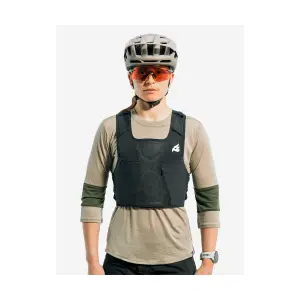


Our page of full face bike helmets brings together our pointers for protecting the head and face in downhill mountain biking, enduro, bike parks, and BMX racing: fixed or removable chin guard, EN 1078 and ASTM F1952 standards, ventilation for climbs, compatibility with goggles, size, and replacement after an impact. The right full face helmet is chosen based on the terrain as much as on the rider's head.
Protect the head and face at full speed.
In which disciplines the full face helmet is essential
The full face helmet is essential when speed and terrain make a forward fall probable, face down. In downhill mountain biking and bike parks, competition regulations require it, and it has become the norm even in recreational riding. In BMX racing, it is also mandatory in races, as the starting grid and the first corners concentrate accidents. In enduro, the timed downhill sections make it highly recommended, often required in event regulations. The chin guard protects the jaw and teeth, areas that an open helmet leaves exposed, and the helmet is complemented by goggles.
Other protections
Protective gear also includes:
All protective gear is gathered on the protections page.
Fixed or removable chin guard: downhill vs enduro
The fixed chin guard, moulded in one piece with the shell, offers the most robust structure: it's the choice for downhill and BMX, where little pedalling is done uphill. The convertible helmet is worn open for climbing, ventilated like a classic mountain bike helmet, and then receives its chin guard, clipped or locked, before descending. It's popular among enduro riders, who alternate between long pedal sections and demanding timed segments. Monobloc full face helmets designed for enduro, lighter and featuring large vents, provide a third option: complete protection at all times, with enough ventilation to climb without overheating.
EN 1078 and ASTM F1952 standards: what they test
In Europe, every bike helmet must meet the EN 1078 standard, which measures shock absorption on the shell and the strength of the chin strap but does not test the chin guard. The American standard ASTM F1952, specific to downhill helmets, adds more intense impacts and a resistance test for the chin guard. A full face helmet certified to both standards thus offers extra safety for the face. The size is chosen based on the head circumference measured above the eyebrows: the helmet should fit snugly, with the cheek pads slightly compressed. After a significant impact, it should be replaced even without visible cracks.
Good deals
Good deals can also be found in good deals, promotions, clearance, sales, and Black Friday. The new arrivals showcase the latest collections, and items shipped in 24 hours are prepared and dispatched within 24 hours. The highlights of the year follow a stable order: Black Friday at the end of autumn, the end-of-year holidays, the winter sales, the French Days in spring, then the summer sales and back-to-school period.
Frequently asked questions
Can a motorcycle full face helmet be used for biking?
It's not recommended: a motorcycle helmet is much heavier and poorly ventilated, which can quickly lead to exhaustion when biking. It is also not certified to the cycling helmet standards required for competition.
How much does a full face helmet for biking weigh?
A downhill full face helmet generally weighs around a kilo, while a lighter enduro full face helmet weighs significantly less. Weight is a factor during long days at the bike park, where the neck works hard with every landing.
How can I check that a full face helmet is the right size?
With the helmet fastened, you can rotate it with your hands: the skin on your forehead should move with it. The cheek pads should press without causing pain, and there should be no pressure marks on your forehead after a prolonged test.
Can sunglasses be worn with a full face helmet?
It’s possible, but goggles provide better protection from dust and debris, and they fit into the helmet's opening. Sunglasses can also injure the face in case of a frontal impact.
Should a full face helmet be replaced after several years without a fall?
Manufacturers often recommend replacing it after a few years, as the foams and straps age due to sweat, UV rays, and heat. An old helmet offers less protection, even if it looks intact.






