
MTB Equipment Based on Practice
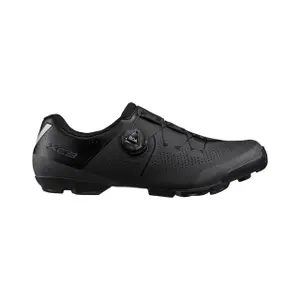
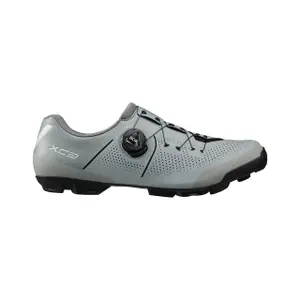


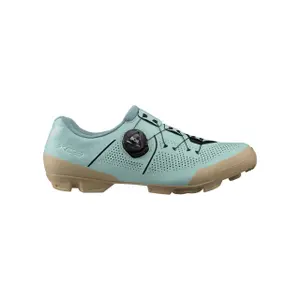

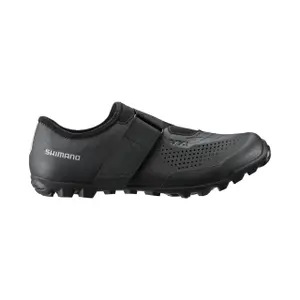
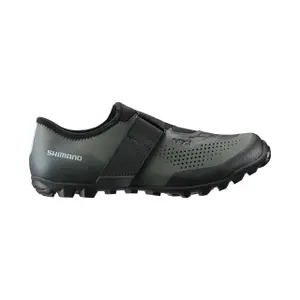


The MTB equipment page outfits mountain bikers from head to toe: Shimano, Northwave, and Quoc shoes for clipless or flat pedals, open and full-face helmets from IXS, 7iDP, or Abus for kids, shorts from Giro, Roeckl gloves, and Prologo knee pads from 7iDP. A selection designed for cross-country, trail, enduro, and downhill.
From cross-country to downhill, each discipline has its own outfit.
MTB Shoes: SPD Cleats or Flat Pedals
The choice of shoe follows that of the pedals. For clipless pedals, the sole has a two-hole SPD cleat, embedded between lugs that allow for walking: the stiffer it is, like on the Northwave Magma XC Rock or Quoc GT XC, the more power transfers to the pedal, but at the expense of walking comfort. Cross-country Shimano shoes offer a softer compromise, comfortable during carry sections. For flat pedals, on the other hand, you look for a soft rubber and a flat sole that fits the pins. In winter, the Northwave Himalaya, a high and lined model, protects the ankle from water, mud, and cold.
Open or Full Face Helmet Depending on the Slope
The open helmet for MTB is different from a road helmet due to a visor, which protects against sun and branches, and a shell that sits lower on the nape and temples. It complies with the EN 1078 standard and is sufficient for cross-country to trail riding. As speed increases, in aggressive enduro, bike parks, or downhill, the full face helmet also protects the chin and jaw, like the IXS Xult DH or the Seven from 7iDP. Downhill models are often certified to the more stringent American ASTM F1952 standard for impacts. For young riders, the Abus YouDrop offers this full-face format in a lighter version. A helmet should be replaced after a significant impact, even without visible cracks.
Baggy Shorts, Bib Shorts, and Gloves: Trail Gear
In MTB, the baggy shorts, loose and made from tear-resistant fabric, are worn over a chamois-lined under-shorts: they allow for knee pads and won’t rip with the first fall. The Giro Arc, stretchy, exemplifies this cut designed for pedaling both seated and standing. Cross-country enthusiasts remain loyal to the bib shorts, which are lighter and don’t rub against the saddle. For hands, short gloves from Roeckl or Prologo breathe well in summer, while long models protect fingers from branches and rocks and maintain grip on sweaty handles. The reinforced palm, without thick seams, prevents blisters on long rides.
The Selection
Gear is organised by type:
MTB is complemented with bikes, transmission, brakes, wheels and tyres, components, on the MTB page.
Soft Knee Pads for Pedalling and Descending
Knee pads fall into two categories. Soft models, like the 7iDP Transition, are worn from start to finish: a breathable sleeve holds a slim protection that doesn’t hinder pedalling uphill. The hard shell models, more protective, are suitable for aggressive descents where impacts against rocks can be severe, but they are often removed for climbs. The right knee pad doesn’t slip when the leg extends: measure the thigh and calf a few centimetres above the knee and compare to the brand’s guide. The Transition also comes in child size, to support young mountain bikers from their first jumps.
Frequently Asked Questions
How to choose the size of MTB shoes?
Try them on at the end of the day with cycling socks, leaving half a centimetre in front of the toes. The heel shouldn't lift when pushing on the pedal, and the forefoot shouldn't feel compressed, as a stiff sole doesn’t deform.
What jersey to wear for enduro?
For enduro, it’s preferable to wear a loose jersey, long or short-sleeved, made from breathable and abrasion-resistant fabric, that goes over a back protection. A longer cut at the back keeps covered when leaning on the bike.
Glasses or goggles for MTB?
When descending, goggles fit under the full face helmet and don’t move at high speed while providing protection from mud splashes. In cross-country and trail, ventilated glasses fog up less during climbs and can be stored on the helmet.
How to wash an MTB short and its under-short?
Wash the under-short after each ride at thirty degrees, turned inside out and without fabric softener that damages the foam. The baggy shorts, being sturdier, can go in the machine closed and with pockets emptied; air dry rather than using a tumble dryer.
What size MTB helmet for a child?
Measure the head circumference just above the eyebrows and ears, then choose the size that fits this measurement. Tightening the dial, the helmet should stay in place when the child shakes their head, without tilting back.






