
MTB Transmission: Chains and Cassettes


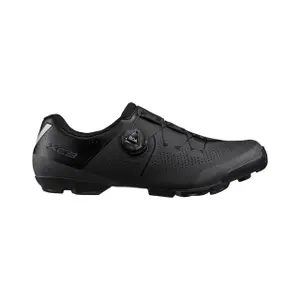
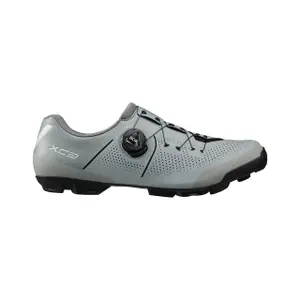


Starting at £47.94
£44.99


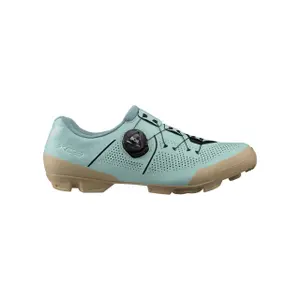


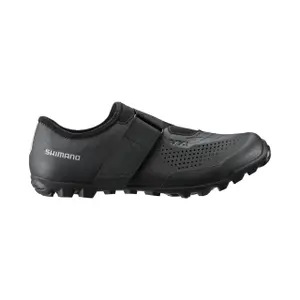
Starting at £52.52
£47.37
Starting at £47.94
£44.97
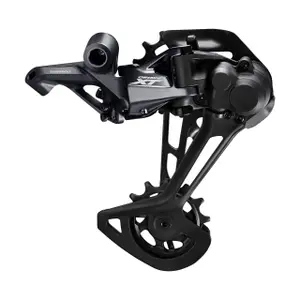
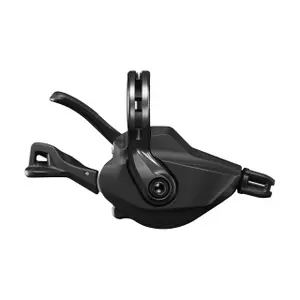
The mountain bike transmission is found here piece by piece: chains and cassettes ranging from seven to twelve speeds, cranksets, chainrings, shifters, chain guides, and bottom brackets, from Shimano, SRAM, Race Face, or Krayton. From the freehub of a beginner's mountain bike to the Eagle cassette of an enduro bike, each part is meant to refresh a tired group or to expand its gearing range.
A clean and well-tuned transmission means a mountain bike that can go anywhere, without chain skips.
Single chainring with twelve speeds: what has changed
The single chainring has become popular on trail MTBs because it eliminates the front derailleur, its shifter and cable. Its chainring with alternating narrow and wide teeth fits the inner and outer links of the chain and keeps it secure in rough sections. SRAM popularised this in 2012 with a first eleven-speed group, before moving to twelve with the Eagle range in 2016.
The lost range at the front is compensated for at the rear: a cassette with 10 to 50 or 52 teeth provides the same range as an old double chainring. The size of the chainring, usually between 30 and 34 teeth, then determines the balance between climbing and descending speed.
XD, Micro Spline or HG: the freehub determines the cassette
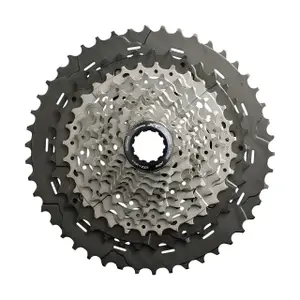
Before buying a cassette, check the freehub of the rear hub. The XD body from SRAM, introduced in 2012, accommodates a ten-tooth sprocket, like on the eleven-speed GX cassette with 10 to 42. Shimano responded in 2018 with the Micro Spline, featuring twenty-three splines, used by its twelve-speed cassettes.
The classic HG body accepts Shimano cassettes from eight to eleven speeds, like the nine-speed Alivio or the ten-speed Deore. Beginner MTBs sometimes use a screw-on freewheel with seven speeds, like the Shimano Tourney: it screws directly onto a threaded hub and can be removed with a specific tool.
Deore, XT, XTR or Eagle chains: matching chain and cassette
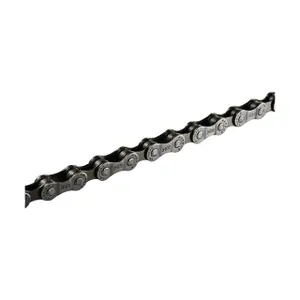
An MTB chain is chosen based on the number of speeds of the cassette: the more sprockets there are, the narrower it is. At Shimano, the Deore, XT and XTR twelve-speed chains share the same compatibility; the lighter XTR has a surface treatment that reduces friction. At SRAM, the GX Eagle chain features a quick PowerLock link, designed for one-time use with twelve speeds.
The length is adjusted during installation: the GX Eagle chain has 126 links, which can be shortened depending on the frame size and the travel of the rear suspension, measured on the largest sprocket and the chainring.
The selection
The transmission is organised by part:
- Cassettes and Chains.
- Chainsets.
- Chainrings.
- Derailleurs.
- Derailleur Shifters.
- Cables and Housing.
- Groups.
The MTB is complemented with bikes, brakes, wheels and tyres, components, equipment, on the MTB page.
Chainsets, chainrings and chain guides for MTBs
The triple chainset Shimano Tourney, with its three chainrings and square axle, equips beginner MTBs with six, seven or eight speeds; it operates in a sealed cartridge like the BB-UN300, robust and maintenance-free. More recent chainsets use a hollow large-diameter axle, which is stiffer and lighter. The Krayton aluminium chainset, supplied with a oval chainring, aims to smooth out the power delivery on the pedals during acceleration.
On an electric MTB, the chain guide, like the one from Haibike, keeps the chain on the chainring in rough descents, where jolts could cause it to derail.
Frequently asked questions
SRAM or Shimano: which MTB transmission to choose?
Both brands cover all levels, from leisure to competition, with twelve-speed groups of comparable quality. The choice often depends on the freehub already mounted on the wheel and the feel of the shifters, which is best tested on a bike.
Why does the chain skip on the sprockets of an MTB?
A skipping chain under load often indicates a worn transmission: an elongated chain, worn cassette teeth or a blunt chainring. A loose cable or a bent derailleur hanger after a fall can also cause skips, which can be corrected with an adjustment.
What transmission for an electric MTB?
Chains and cassettes designed for assistance, like the Linkglide range from Shimano, with thicker teeth, withstand the motor's force better. It's especially important to avoid changing gears under full power: temporarily releasing pressure on the pedals preserves the teeth.
How long does an MTB chain last?
Its lifespan mainly depends on the terrain and maintenance: mud and sand wear it out much faster than dry paths. Checking it with a wear indicator every few rides allows for replacement before it damages the cassette.
How to clean an MTB transmission after a muddy ride?
Rinse off the mud with low pressure, avoiding a powerful jet that could wash out the grease from the bearings, then degrease the chain and cassette with a brush. Once the chain is dry, a wet condition lubricant protects it, wiping off any excess.






