
Single and oval MTB chainrings


Our Mountain Bike Chainsrings page brings together our tips for choosing your chainring: single chainring with wide and narrow teeth, number of teeth based on the terrain, direct mounting or on spider, oval chainrings, chain line and wear recognition.
The right development, on all trails.
Single Chainring
Modern mountain bikes have switched to a single chainring, paired with a very wide-range cassette. The teeth alternate between wide and narrow, fitting perfectly with the inner and outer links of the chain: it stays in place even on rough terrain, without a front derailleur or chain guide. The result: a simpler, lighter, and quieter drivetrain.
The Drivetrain
The mountain bike drivetrain also includes:
All the drivetrain components can be found on the drivetrain page.
The Right Gear Ratio
The number of teeth should be chosen based on your level and terrain: thirty or thirty-two teeth are suitable for most riders, a smaller chainring makes steep climbs easier, while a larger one favours speed on rolling terrain. Oval chainrings, larger during the power phase, smooth out the pedal stroke and improve traction on technical climbs.
Attachment and Wear
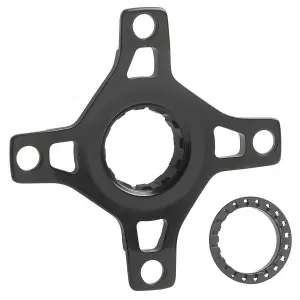
The chainring is fixed directly onto the crank using direct mounting or on a spider that is bolted on. The offset of the chainring, whether it meets the Boost standard or not, ensures a good chain line. A worn chainring has sharp teeth, and the chain may skip: replace the chain in time to protect the chainring and cassette, and clean the drivetrain after every muddy ride.
Good Deals
Good deals can also be found in the good offers, promotions, clearance, sales, Black Friday. The new arrivals showcase the latest collections, and items shipped within 24 hours are prepared and dispatched in 24 hours. The key events of the year follow a consistent order: Black Friday at the end of autumn, the holiday season, winter sales, French Days in spring, then summer sales and back-to-school.
Frequently Asked Questions
How many teeth should you choose for your mountain bike chainring?
A thirty-two tooth chainring is suitable for most riders. A thirty or twenty-eight helps with steep climbs and technical terrain, while a thirty-four or thirty-six is better for rolling courses and powerful riders.
Why has the single chainring replaced the double chainring in mountain biking?
Paired with a very wide-range cassette, the single chainring provides enough gearing without a front derailleur. The drivetrain becomes simpler, lighter, and more reliable, freeing up a control from the handlebars.
Is an oval chainring useful in mountain biking?
Yes, it smooths out the power transmission on the pedal stroke, improving traction on slippery and technical climbs. It requires a few rides to adapt, after which it becomes unnoticeable.
What’s the difference between a direct mount chainring and one on a spider?
A direct mount chainring is fixed directly onto the crank without any intermediaries, which reduces weight and makes shifting easier. A chainring on a spider is bolted onto a star. Check your crank's standard before ordering.
What is chain line and why does it matter?
Chain line is the distance between the frame's axis and the chainring. When chosen correctly, it aligns the chain in the centre of the cassette and reduces friction, noise, and wear; badly adjusted, it can lead to skipping chains at the end of the cassette.






