
MTB Cables and Housings



Starting at £325.14
£165.73


Starting at £325.14
£112.03

Starting at £283.45
£148.04


Starting at £325.14
£112.03

Starting at £283.45
£148.04


Starting at £191.73
£148.04


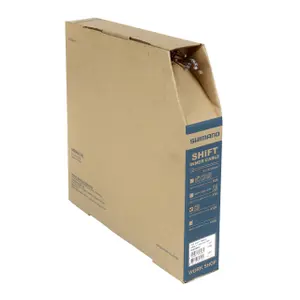
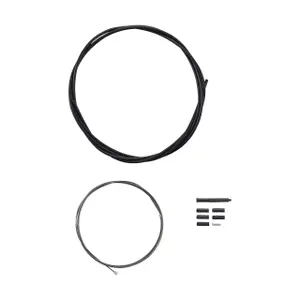
Our selection of Cables and Housings for mountain bikes features Shimano polymer-coated cable and housing sets designed to withstand mud, along with tips for maintaining your cabling, successfully completing an internal routing, and achieving precise gear shifts.
Crisp shifts, even in the mud.
The enemy: mud
On a mountain bike, the cable system suffers much more than on the road: mud, dust, water, and repeated washes infiltrate the casings and clog the cables. The result: slow, imprecise gear shifts, and a lever that has to be forced. The Shimano polymer-coated cable system, a thin layer that reduces friction and protects against corrosion, keeps a smooth glide for longer, even in the wettest conditions.
The drivetrain
Mountain bike drivetrains also include:
All the drivetrain information is brought together on the drivetrain page.
The internal routing
Modern mountain bike frames route the cables through the inside of the frame for a clean look and better protection. To replace a cable casing without losing its route, thread the new casing by following the old one, or use a magnetic guide. Use soft casing loops with no sharp angles, so the cable can slide freely, no matter the handlebar position.
Keeping gear shifts crisp
It’s best to replace the cable system at least once a year during regular use, more often after a muddy winter. After installation, the cable slightly relaxes: adjust the tension with the lever’s dial, quarter turn by quarter turn, until the shifts are crisp. Avoid using a pressure washer aimed at the cable entry points, and check the condition of the end caps.
Good deals
Great deals can also be found in the good deals, promotions, clearance, sales, and Black Friday. The new arrivals showcase the latest collections, and items shipped in 24h are processed and dispatched within 24 hours. Annual highlights follow a stable pattern: the Black Friday in late autumn, the end-of-year holidays, winter sales, the spring French Days, then summer sales and back-to-school offers.
Frequently asked questions
Why choose polymer-coated cables for mountain biking?
This thin layer reduces friction and protects against corrosion, keeping a smooth glide longer despite mud, dust, and repeated washes.
How can I protect my cable system from mud?
Opt for continuous housings from the lever to the derailleur, with sealed end caps. When washing, avoid high-pressure water on the cable entry points and dry the bike thoroughly.
How do I route a cable inside the frame?
Keep the old housing in place and use it as a guide or thread a thin wire to pull through the new one. Seal the frame exits with cable bushings to avoid noise and vibrations.
Why do my gears shift poorly?
A dirty housing or a loose or frayed cable can make shifts slow and imprecise. Start by adjusting the tension at the barrel; if the problem persists, replace both the cable and housing.
When should I replace my mountain bike cables?
More frequently than on the road: after a muddy winter or as soon as the lever starts to stick, a new set restores precise shifts. Regular riders replace them every year.






