
Road bike disc brakes


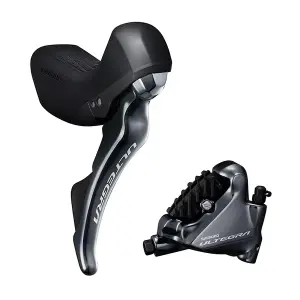
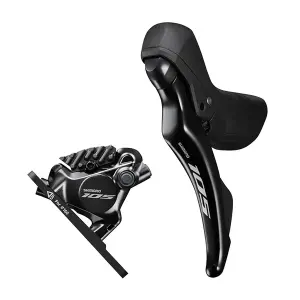


Our selection of Disc Brakes includes six-bolt and Center Lock Shimano discs, including models with internal nuts, and the two-piston flat mount hydraulic caliper Shimano, along with our tips for choosing the right diameter, pads, and bedding in your brakes.
Power for every situation.
A braking revolution
Once reserved for mountain bikes, the disc brake has become the norm on the road: its power, modulation, and consistent effectiveness in the rain provide superior safety and comfort compared to rim brakes. It also protects the rims, preventing wear, and allows for wider tyres. The professional peloton has adopted it in large numbers.
The rest of braking
Road braking also comes in:
All braking options are gathered on the braking page.
Sizes and mounts
On the road, discs typically measure one hundred forty or one hundred sixty millimetres: the larger one dissipates heat better during long descents. They are fixed to the hub with six screws or via the Center Lock system from Shimano, which has splines and a locking ring, and is quicker to mount. The caliper is mounted in flat mount, the compact standard for road bikes, like on the hydraulic caliper from Shimano in our selection.
Pads and bedding in
Some discs only accept resin pads, which are quieter: this is indicated on the disc. A new disc and pads require bedding in: a series of progressively harder brake applications on a safe stretch of road to achieve full power. Never touch the disc with your fingers, and clean it with alcohol if it gets contaminated.
Good deals
Good deals can also be found in the good deals, promotions, clearance, sales, and Black Friday. The new arrivals showcase the latest collections, and items shipped in 24 hours are prepared and dispatched within 24 hours. The highlights of the year follow a stable order: Black Friday at the end of autumn, the end-of-year holidays, the winter sales, the French Days of spring, then the summer sales and back to school.
Frequently asked questions
Why do my disc brakes squeak?
The squeaking usually comes from pads or a disc contaminated with oil, chain lubricant, or a cleaning product. Clean the disc with isopropyl alcohol and if the pads are contaminated, replace them.
How do I adjust a rubbing disc brake caliper?
Loosen both screws on the caliper, pull the lever to centre the caliper on the disc, then retighten the screws while keeping the lever pulled. If rubbing persists, the disc might be warped.
What diameter disc should I choose for a road bike?
The most common is one hundred sixty millimetres at the front, with one hundred sixty or one hundred forty at the back depending on the bike. The diameter must match the frame and fork mount, typically flat mount on most current bikes.
What is the difference between a six-bolt disc and a Center Lock disc?
The six-bolt disc is attached to the hub with six small screws. The Center Lock, a Shimano system, is attached using splines with a central nut, making it quicker to mount. The choice depends on the wheel hub, not the caliper.
Do hydraulic disc brakes need regular bleeding?
A bleed is necessary when the lever becomes spongy or its travel increases, indicating air in the system. Otherwise, bleeding every one to two years maintains braking efficiency and consistency.






