
Road Bike Braking


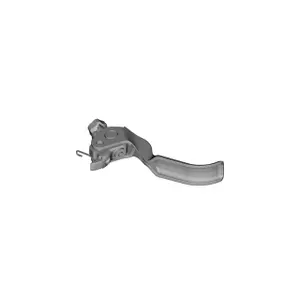
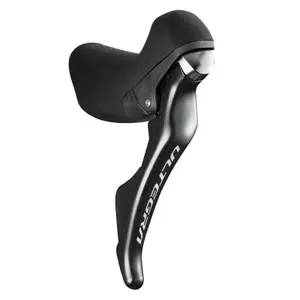
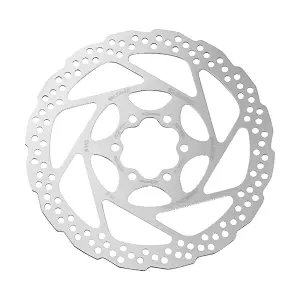

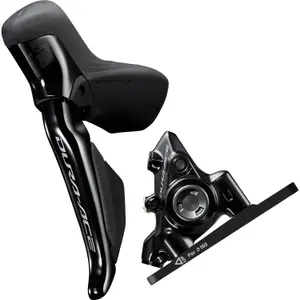
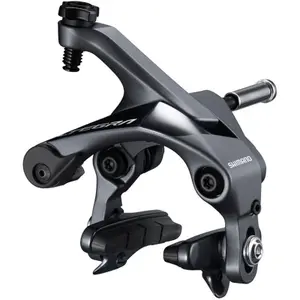
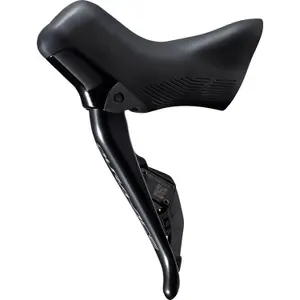
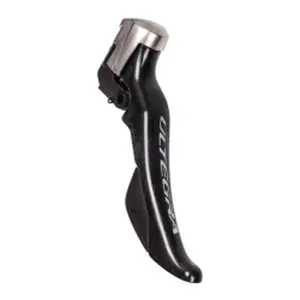


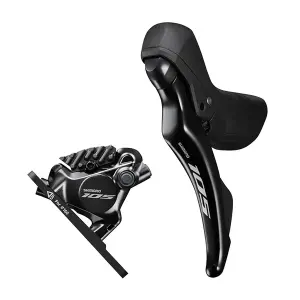
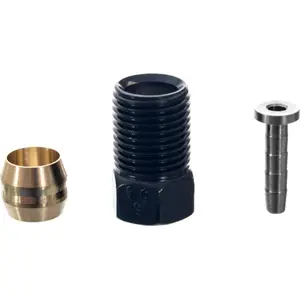
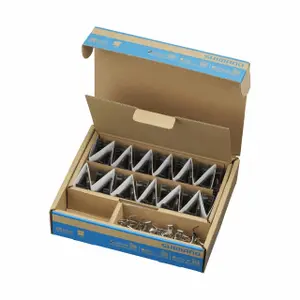
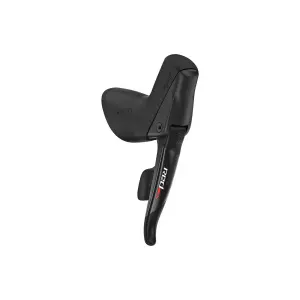
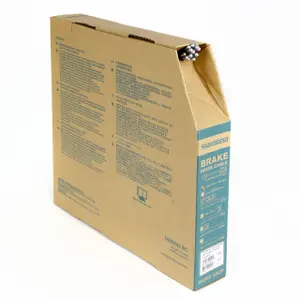
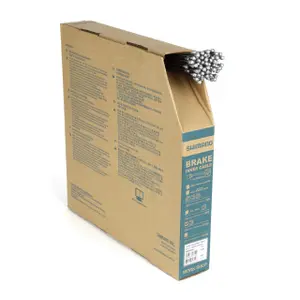
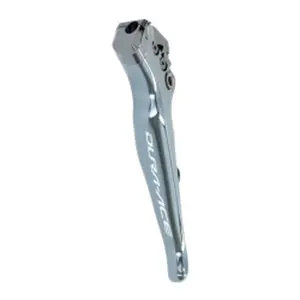
The road bike braking is adjusted and maintained here piece by piece: rim calipers, cartridge pads, Center Lock or six-bolt discs, levers, cables, housing, and small hose parts, from Shimano, SRAM or XLC. Enough to freshen up a bike with pads or maintain a hydraulic disc bike, from Sunday rides to time trials.
Braking hard, braking right, in the sun as well as in the rain: safety before speed.
Rim or disc brake caliper: two braking systems, two maintenances
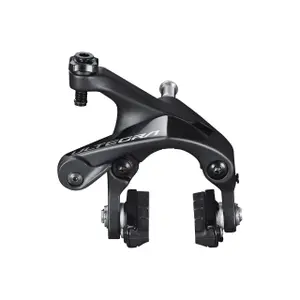
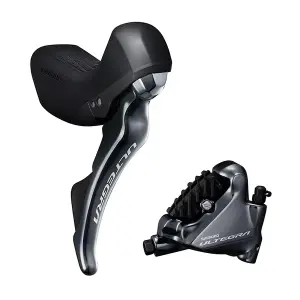
The rim brake caliper with double pivot, like the Ultegra from Shimano, clamps two pads on the braking surface: it is light, adjusts with a simple wrench, and allows the wheel to be removed in one move. Its effectiveness decreases in the rain while the pads wipe the rim. The disc brake acts on a disc mounted on the hub, away from debris: the power remains constant in all weather, and the rim doesn’t wear down anymore.
The disc has become standard on road bikes since the UCI allowed it in road racing. However, a frame designed for pads cannot accommodate it, lacking the necessary mounting tabs.
Cartridge pads: rubber, aluminium, or carbon rim
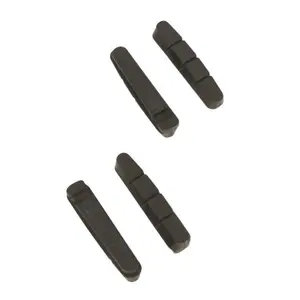
The cartridge pads, like those from Shimano, slide into a fixed pad holder: you only replace the rubber, secured by a small screw, without having to redo the whole adjustment. The XLC pads are screwed in as a single unit, making them easier to install. The rubber is chosen according to the rim: rubber for aluminium overheats and damages a carbon rim, and rubber for carbon doesn’t grip well on aluminium.
When installing, the pad must hit the braking surface flat, without touching the tyre, with a slight pinch at the front that eliminates squeaking when braking.
Center Lock or six bolt discs, and diameter
The disc is mounted to the hub using the Center Lock standard from Shimano, which is grooved and tightened by a ring, or by six bolts. On road bikes, you fit discs of 140 or 160 millimetres, and the caliper is attached to the frame using the Flat Mount style, which is more discreet than the Post Mount used on mountain bikes. The Shimano discs with an aluminium core sandwiched between two layers of steel dissipate heat from long descents better.
Each disc has its minimum thickness engraved, often 1.5 millimetres: if it's below that, it needs replacing, just like a warped disc that rubs despite a well-aligned caliper.
The selection
The braking system is organised by component:
The road bike is complemented with bikes, transmission, wheels and tyres, components, equipment, on the road page.
Levers, cables, and brake fluid
On a bike with pads, the cable made of stainless steel runs through a spiral housing that must not be crushed when cut; the SRAM cable of 2.75 metres is used for tandems and time trial bikes, where the housing makes a long run. The Dura-Ace levers for time trials are positioned at the end of the base handlebars, for braking from the sprint position.
The hydraulic disc brakes use mineral oil with Shimano and DOT fluid with SRAM, two fluids that never mix. The olive and pin kit allows for a neat shortening of a hose after cutting.
Frequently asked questions
Why does a road bike disc brake squeak?
Most often, a disc or pads contaminated with a lubricant or cleaning product is the cause. Clean the disc with isopropyl alcohol, and replace any impregnated pads; a misaligned caliper may also rub.
How to brake well on a road bike?
Brake mainly with the front, which carries the majority of the weight during deceleration, while modulating the rear to stabilise the bike. Brake before the turn, with wheels straight, then release to turn without skidding.
How to bleed a hydraulic road disc brake?
Attach a syringe or funnel to the lever and a bag to the caliper, then push the liquid until all air bubbles are expelled. A lever that feels firm and consistent confirms a successful bleed; the procedure varies by brand.
How to adjust a brake caliper that rubs on the rim?
First, check that the wheel is well centred in the dropouts, then re-centre the caliper with its lateral adjustment screw. If a pad rubs at a specific spot on every rotation, the rim is likely warped and needs to be straightened.
How long do road brake pads last?
Their lifespan depends on the terrain, weight, and weather: rain and mountain descents wear them out much faster. Replace them when the lining gets close to half a millimetre, checking their thickness with the wheel removed.






