
Cyclist gear for all seasons on the road
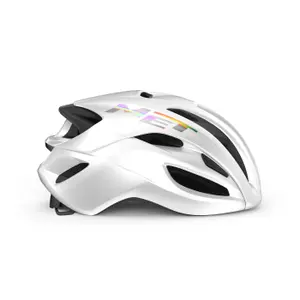
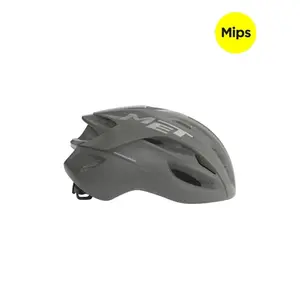
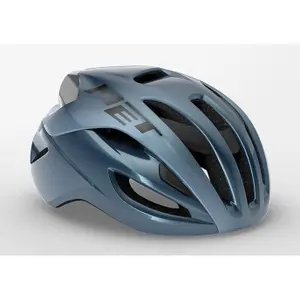
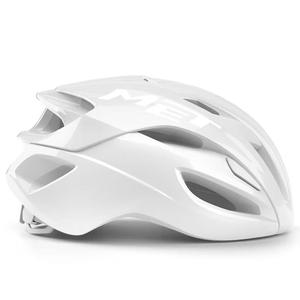

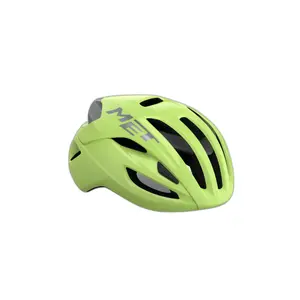
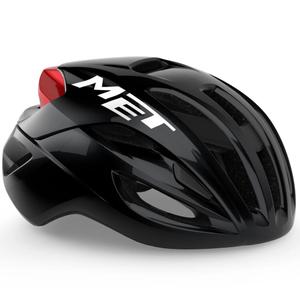
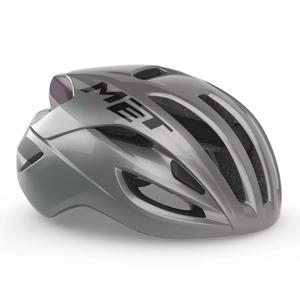
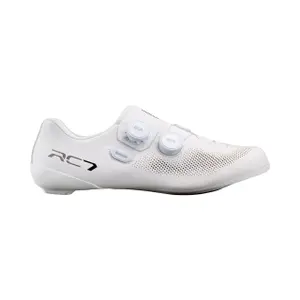


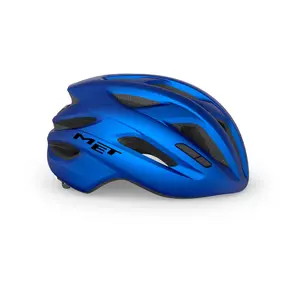


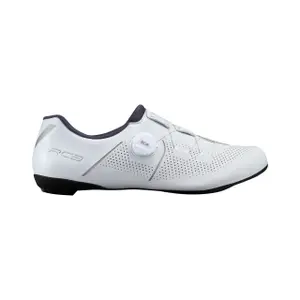
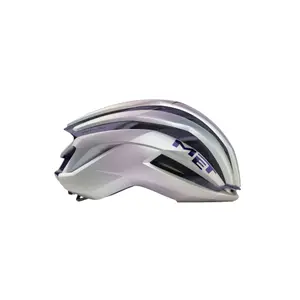
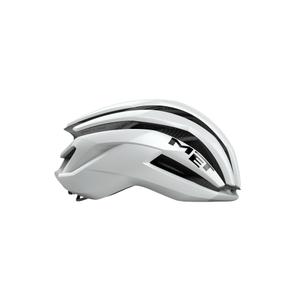
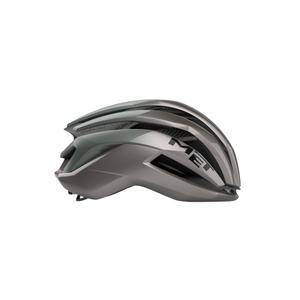
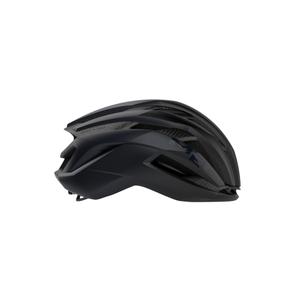

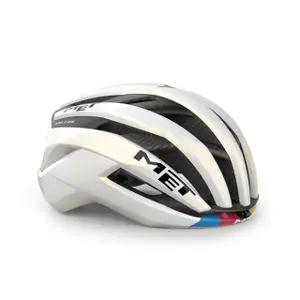
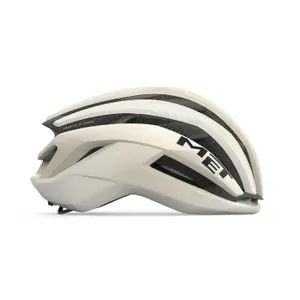
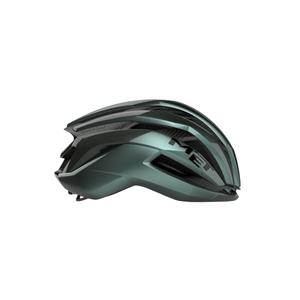

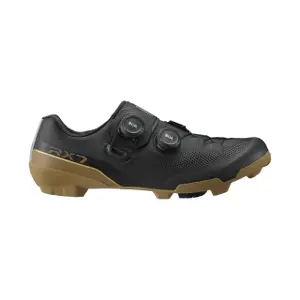
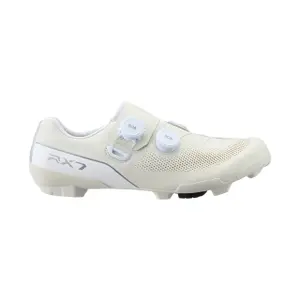
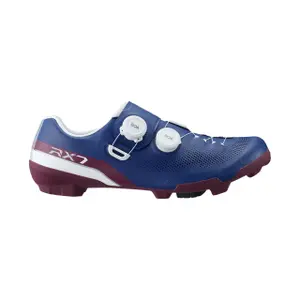
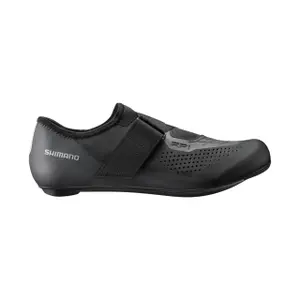
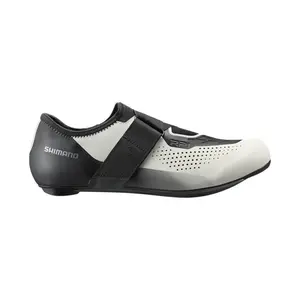


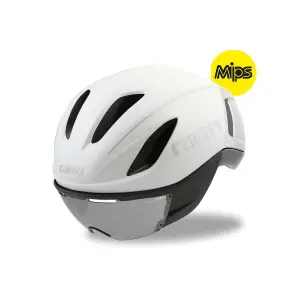


The road bike equipment page outfits the cyclist from head to toe: ventilated or aerodynamic helmets Met, Rudy Project and Salice, clipless shoes Shimano, Mavic and Lake, shorts Gonso, jerseys, base layers and jackets Elite Lab, gloves Giro, socks Dexshell and shoe covers Velotoze. Perfect for riding in the plains in summer or in the mountains during the rain.
From summer rides to mountain passes in the rain, the layers that keep the cyclist at a good temperature.
Road Helmet: Versatile or Aerodynamic
All road helmets meet the European standard EN 1078, but two philosophies coexist. The versatile models, like the Rudy Project Nytron or the Salice Ghibli, have multiple vents to expel heat during long summer climbs. The aerodynamic helmets, like the Rudy Project The Wing, designed for time trials and triathlons, smooth the airflow at the cost of reduced ventilation. Between the two, the Met Rivale combines a shaped shell with generous vents, featuring the MIPS system, a thin sliding layer that limits the rotation transmitted to the head in the event of an oblique impact.
Clipless Shoes and Keeping Feet Dry
The road shoe has a three-hole cleat, SPD-SL or Look, linking the foot to the pedal: the stiffer the sole, the more the power goes directly into the crank. The Shimano RC range and Lake focus on this efficiency, with a precise tightening that can be adjusted while riding. The Mavic Cosmic Elite Tri, designed for triathlons, slips on in seconds thanks to a wide strap and a heel loop, even with wet feet after swimming. In winter, shoe covers Velotoze made from latex and Dexshell Hytherm Pro waterproof socks keep the toes dry and warm.
Bib Shorts and Fitted Jersey
The bib shorts are primarily judged on their pad, the foam stitched to the crotch that cushions pressure on the saddle: the longer the ride, the more important its density and shape become. The Gonso Sitivo features an anatomical pad that alleviates pressure on sensitive areas. The straps keep the bib shorts in place without a tight elastic at the waist and prevent them from slipping when leaning on the handlebars. The road jersey, fitted to the body to avoid flapping in the wind, has three rear pockets for supplies, a windbreaker, and a phone; a full zip helps with ventilation on climbs.
The Selection
Equipment is organised by type:
The road bike is complemented by bikes, transmission, brakes, wheels and tyres, components on the road page.
Thermal Layers and Waterproof Jacket in Winter
In winter, the outfit is built in layers. The thermal base layer Elite Lab wicks moisture away from the skin, the long-sleeved jersey insulates, and the waterproof jacket, available in a lightweight version that folds into a pocket or a thermal version for cold days, blocks wind and rain. Cyclists who leave early or return at dusk add a sleeveless reflective jacket from the same range. For the legs, the thermal long bib shorts keep the knees warm, a delicate joint in the cold, and long gloves protect the hands, stationary on the handlebars and exposed to wind from speed.
Frequently Asked Questions
How do you choose the size of a road bike helmet?
Measure your head circumference one finger above your eyebrows and ears, then choose the size that fits this measurement. When tightened, the helmet should not move; the straps should form a V under the ears and you should be able to slip just two fingers under the chin strap.
What glasses should you wear while road cycling?
Choose a wraparound frame that protects from wind, insects, and gravel, with lenses suitable for the light. Photochromic lenses, which darken in sunlight and lighten in shade, prevent the need to change lenses between dawn and midday.
How do you wash cycling shorts?
Wash them after each ride, inside out and at thirty degrees, without fabric softener that clogs the pores of the pad. Air dry them flat, away from a radiator, as heat hardens the foam and damages the elastane.
How do you adjust the cleats on road shoes?
Position the pedal axle under the joint of the big toe, then orient the cleat according to the natural angle of the foot. For Shimano, the cleat colours indicate lateral freedom: yellow for six degrees, blue for two, red for a fixed foot.
At what temperature should you switch to long bib shorts?
Most cyclists switch to three-quarter or long bib shorts below about fifteen degrees to protect their knees. In between the two, removable leg warmers worn with short bibs can be taken off as the day warms up.






