
Rhythmic gymnastics accessories
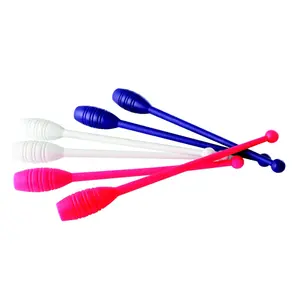
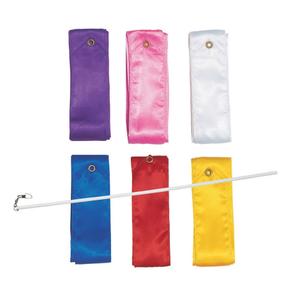
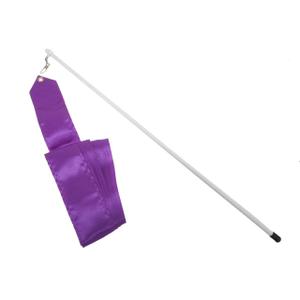
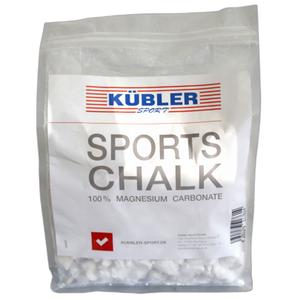
The rhythmic gymnastics accessories page brings together the equipment that gymnasts handle to music, especially the Tremblay child clubs, which are shorter and lighter, for beginners at home, at school, or in clubs. Equipment selected according to age and level, from discovering the discipline to the first competitions.
The equipment of rhythmic gymnastics.
Rope, hoop, ball, clubs and ribbon
Rhythmic gymnastics is performed on a thirteen by thirteen metre mat, to music, with a piece of equipment that never stops moving. The rope is used for jumps and escapes, the hoop for rolls and passes through, the ball for rolls on the body and rebounds. Clubs, handled in pairs, require whirlwinds and asymmetric throws, while the ribbon creates spirals and serpentine shapes that must remain continuous. An Olympic discipline since 1984, it combines flexibility, mastery of the apparatus, and artistic expression.
The rest of the equipment
Gymnastics includes:
- Equipment, outfits and shoes.
- Tracksuits.
- Club Equipment, mats and apparatus.
All gymnastics is gathered on the gymnastics page.
Tremblay children's clubs
Clubs have the shape of an elongated skittle, with a bulging body, a neck, and a small rounded head you hold onto. In competition, international regulations require a length of forty to fifty centimetres, reduced to thirty-five centimetres minimum for gymnasts aged nine to twelve. The Tremblay children's clubs, shorter and lighter, are designed for small hands: they allow for practicing whirlwinds, small circles, and initial throws without injury. Progression goes from simple whirlwinds to throwing one club, then both at once.
Dimensions of apparatus according to gymnast's age
The dimensions of apparatus follow the age. The ball measures ten-eight to twenty centimetres in diameter and weighs at least four hundred grams for juniors and seniors, and sixteen to ten-eight centimetres for those aged nine to twelve. The hoop has an inner diameter of eighty to ninety centimetres for seniors, and sixty to eighty centimetres for younger ones. The ribbon measures at least six metres for seniors, five for juniors, and four for those aged nine to twelve. The rope, without a handle, is cut to the gymnast's height: held under the feet, its ends reach the armpits.
Good deals
Good deals can also be found in good deals, promotions, clearance, sales, and Black Friday. The new arrivals feature the latest collections, and items shipped within 24h are prepared and sent in 24 hours. The highlights of the year follow a consistent order: Black Friday in late autumn, the end-of-year festivities, winter sales, French Days in spring, followed by summer sales and back-to-school.
Frequently asked questions
What rhythmic gymnastics apparatus for a five-year-old?
At this age, a soft and light ball or a small hoop is preferred, easy to roll and catch. Children's clubs and a short ribbon come next, when coordination of both hands improves.
How to care for a gymnastics ribbon?
After the session, wrap the ribbon around a cardboard tube or its stick to avoid creases and knots. A creased ribbon can be smoothed out with a low iron, protecting the satin fabric with a cloth.
Plastic or rubber clubs?
Plastic clubs, rigid and lightweight, are used for regular training and competition. Rubber models, softer, cushion falls on the floor and are suitable for beginners who still lack precision in catching.
Can one practice rhythmic gymnastics at home?
Yes, with a clear floor: club whirlwinds, ball rolls, and flexibility training can easily be done in a living room. Large throws, however, require a high ceiling and are reserved for the gym.
Why does a gymnastics ribbon have a stick?
The stick, measuring fifty to sixty centimetres, extends the arm and transmits movement to the fabric. It is connected to the ribbon with a swivel attachment that prevents it from twisting over itself during spirals.






