
Rhythmic gymnastics equipment
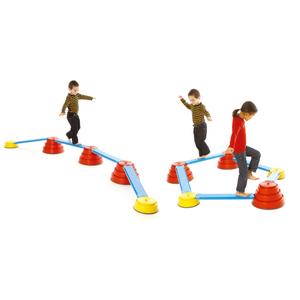
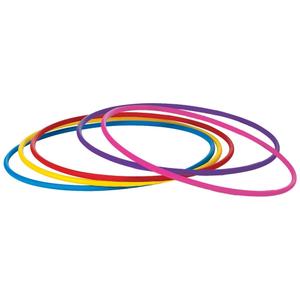
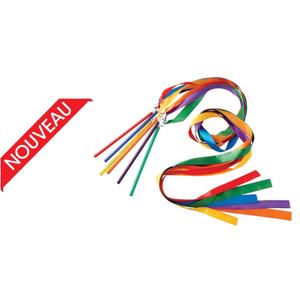
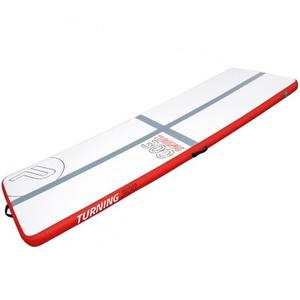
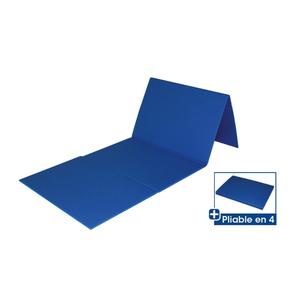
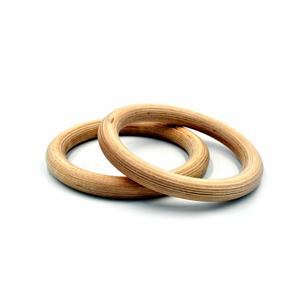
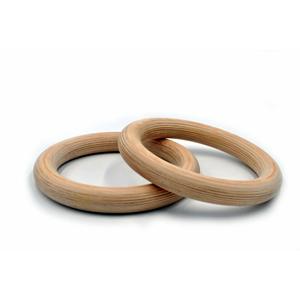
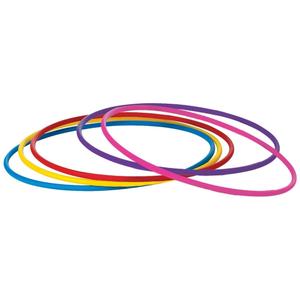
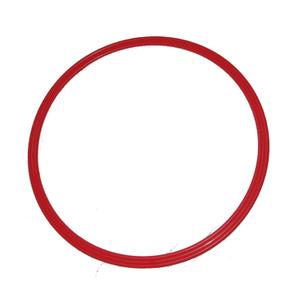
The Equipment page for gymnastics brings together rhythmic gymnastics apparatus for training in clubs, at school or at home: ribbon on its stick and hoop Softee. Equipment designed to learn throws, catches and the first moves, before moving on to competition-approved models.
The rhythmic gymnastics apparatus for training.
The five rhythmic gymnastics apparatus
Rhythmic gymnastics combines dance, flexibility and the handling of an apparatus, to music, on a mat measuring thirteen meters by thirteen. The code of the International Gymnastics Federation recognises five apparatus: the hoop, the ball, clubs, the ribbon and the rope. Each has its fundamental movements: rolls and rotations for the hoop, bounces and rolls on the body for the ball, spins for the clubs, spirals and twists for the ribbon, jumps and escapes for the rope. The gymnast must keep the apparatus in constant motion, never letting it stay still in their hand, and any falls are penalised.
Gymnastics on the site
Gymnastics also includes:
- Tracksuits.
- Club Equipment, mats, beams and bars.
- Accessories, half-points and grips.
All the equipment can be found on the gymnastics page.
Ribbon and hoop: standards and adjustments
The competition ribbon for seniors measures at least six meters, made of a single piece of satin, attached by a swivel to a stick of fifty to sixty centimetres. Young gymnasts train with a shorter ribbon, easier to wave without it touching the ground. The senior hoop, made of rigid plastic, has an inner diameter of eighty to ninety centimetres and weighs at least three hundred grams. For a child, the diameter is chosen according to their height: when placed vertically on the ground, the hoop should reach about the hip. A tape wrapped around the hoop improves grip and protects it from impacts with the ground.
Starting with the ribbon and hoop at home
A training ribbon and hoop Softee are sufficient for learning the basic movements before joining a club. You need a clear space of several meters around you and a good ceiling height for throws: a garden or gym is better suited than a living room. Start with the spirals and twists of the ribbon, arms extended, keeping a continuous movement so that it doesn’t fall, then with the rotations of the hoop around the hand and arm. After the session, the ribbon is detached from its stick and wound around a cardboard tube, without creases, to maintain its flexibility. The hoop should be stored flat, away from heat that could warp it.
Good deals
Good deals can also be found in the good deals, promotions, clearance, sales, Black Friday. The new arrivals showcase the latest collections, and the items shipped in 24h are prepared and dispatched within 24 hours. The highlights of the year follow a stable order: the Black Friday at the end of autumn, the end of year holidays, the winter sales, the French Days in spring, then the summer sales and back-to-school.
Frequently asked questions
At what age should you start rhythmic gymnastics?
Many clubs welcome children as young as four or five years for awareness sessions, and then offer competition around seven or eight years. Flexibility is easier to achieve at a young age, but leisure practice remains open to teenagers and adults.
Why does my ribbon get tangled?
A ribbon tangles when the movement stops or slows down: it then falls onto itself. You need to keep a continuous movement, starting from the shoulder rather than the wrist, and check that the swivel attachment turns freely.
What ball should I choose to start?
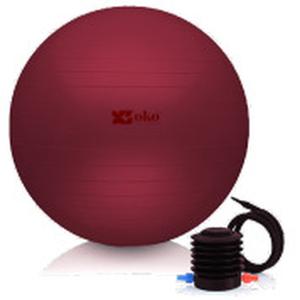
The rhythmic gymnastics ball measures ten-eight to twenty centimetres in diameter and weighs at least four hundred grams in competition. To start, a slightly smaller and softer rubber ball is easier for a child's hand to hold.
What are clubs?
These are two pins made of plastic or rubber, measuring forty to fifty centimetres, that the gymnast spins in circles, throws and catches together or separately. This is the apparatus that requires the most coordination between both hands.
How do I choose the length of a gym rope?
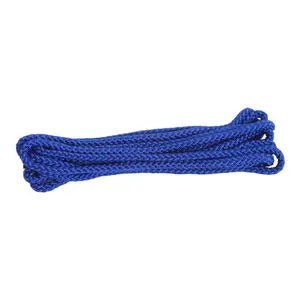
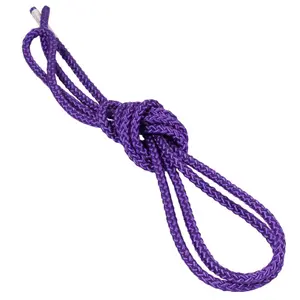
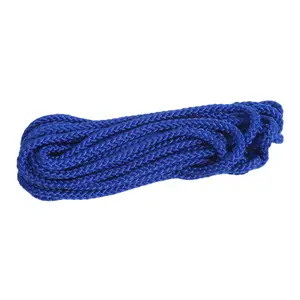
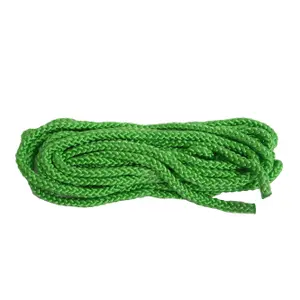
The rope, made of hemp or synthetic material, is adjusted to the gymnast's height: with feet placed in the centre, its ends should reach the armpits. Knots at the ends replace the handles, which are absent in rhythmic gymnastics.






