
Padel rackets Dunlop
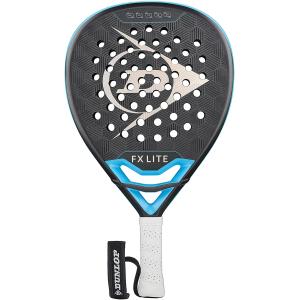
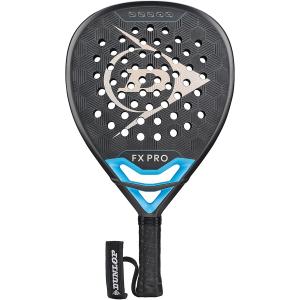
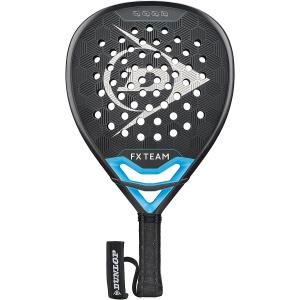
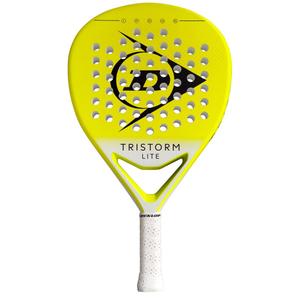
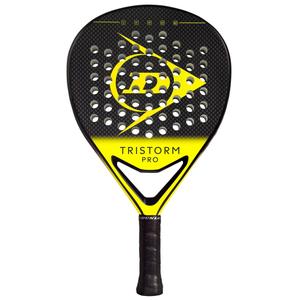
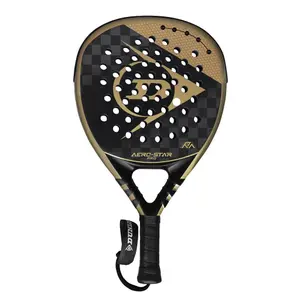
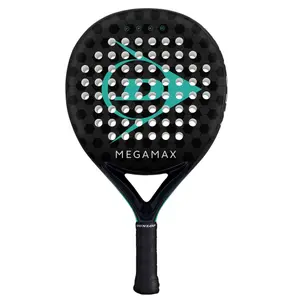
Our page padel rackets Dunlop helps you understand what lies beneath the surface of a racket from the British brand: the fiber of the faces, the density of the foam, the shape of the head, and the weight. With these pointers, you can choose a model suited to your level, from the beginner lessons to tournaments, knowing how each material affects your shot.
The materials that make the racket.
From rubber to padel rackets
Before rackets, Dunlop was all about rubber: the brand gets its name from John Boyd Dunlop, the inventor of the inflatable tyre, and its sports division has been structured since 1910. Owned by the Japanese group Sumitomo Rubber Industries since 2017, it designs padel rackets for all types of players, from beginners discovering the court to competitors seeking power in their smash. Its ranges are distinguished by three manufacturing choices that a player should be aware of: the fiber of the faces, the foam of the core, and the shape of the frame, which together determine the comfort, control, and power of each shot.
Other brands
Padel rackets are also available by brand:
All the rackets can be found on the rackets page.
Glass fibre or carbon faces
The faces of a padel racket are made from glass fibre, carbon, or a mix of both. Glass fibre, which is softer and a bit heavier, deforms on impact and returns the ball effortlessly: it is suitable for beginners and filters out vibrations that travel up to the elbow. Carbon, which is stiffer and lighter, transmits each shot with precision and gives power to those who know how to accelerate the swing. It comes in weaves designated by the number of thousands of filaments per strand, such as 3K, 12K, or 18K. The frame, almost always made of carbon or composite tubing, ensures the overall solidity.
EVA foam, foam, and frame shape
Between the two faces, the core made of foam determines the feel. EVA, dense and firm, returns the energy from strong shots and offers precise control, as long as you have the arm to work it; it is available in softer or firmer versions. The foam, which is more elastic, propels the ball even on a slow swing and eases the elbow, at the cost of some precision. The shape completes this choice: round rackets place the point of impact near the handle and forgive imprecise hits; teardrop shape raises it for versatile play; and diamond shape positions it at the top for attackers finishing with a smash.
Great deals
Good deals can also be found in great deals, promotions, clearance sales, sales, and Black Friday. The new arrivals showcase the latest collections, and items shipped within 24h are prepared and sent out within 24 hours. The key events of the year follow a steady order: Black Friday at the end of autumn, the end-of-year holidays, winter sales, French Days in spring, then summer sales and back-to-school.
Frequently asked questions
What weight of padel racket Dunlop should I choose?
Between 355 and 365 grams, a racket remains manageable for most adults. Lighter it eases the arm and reacts quickly at the net; heavier it gains in power but tires the shoulder over a long match.
What is the purpose of the rough surface of a racket?
A granular texture, achieved through sandblasting or a textured varnish, holds the ball for a moment longer on impact. It facilitates spin effects from the bandeja or the víbora, without changing the power of a flat shot.
What is the purpose of a padel racket's wrist strap?
Regulations require it to be worn on the wrist: it prevents the racket from slipping away and injuring a partner or opponent. Adjust it so that it stays without being tight, allowing for full wrist freedom during volleys.
How can you protect the frame of a padel racket?
Impacts against windows and the floor chip the paint and can crack the frame. A protective band stuck at the top of the frame absorbs these scrapes, and a padded cover prevents damage in the bag during transport.
How do you know if a padel racket is worn out?
A tired racket loses its responsiveness: the foam compresses, the ball travels less quickly, and the sound on impact becomes duller. A crack in the frame or a delamination of the face requires a replacement, as the racket may break during a hit.






