
Padel rackets Head


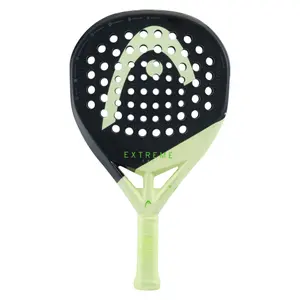


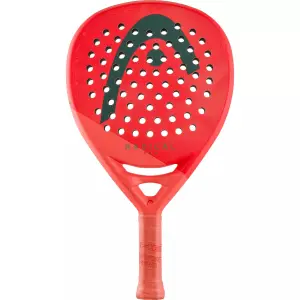


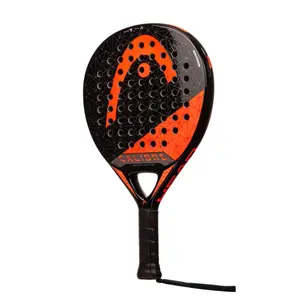


Our Head page showcases padel rackets from the pioneering brand in racket sports, known for its material technologies, along with our tips for choosing a racket based on its shape, stiffness, weight, and balance, and how to adapt it to your level and playing style.
The innovation of materials, at the service of the game.
Material expertise
Head, founded by American engineer Howard Head, a pioneer of metal skis and then tennis rackets, has always focused on material innovation. The brand notably introduced graphene, an extremely lightweight and durable carbon-based material, in its tennis and later padel rackets to optimally distribute weight. Its padel rackets are used by professional players and thousands of club players.
Other brands
Padel rackets are also available by brand:
All rackets are gathered on the rackets page.
Stiffness and feel
The stiffness of a padel racket depends on its inner foam and faces. A flexible racket offers an easy ball exit and comfort, ideal for beginners and gentle on the elbow. A stiff racket provides precision and power for advanced players who can hit hard. Between the two, medium rackets suit most club players who are progressing.
Weight and balance
The weight, generally between three hundred and fifty and three hundred and eighty grams, influences maneuverability: a lightweight racket is quick to handle at the net, while a heavier one gives power. A head-heavy balance favours smashes, while a balance at the handle offers control and defence. You should try several models before choosing, and protect the frame with adhesive protection against impact on the edges.
Good deals
Good deals can also be found in good plans, promotions, clearance, sales, and Black Friday. The new arrivals showcase the latest collections, and items shipped within 24 hours are prepared and dispatched in 24 hours. The significant events of the year are in a stable order: the Black Friday at the end of autumn, the holiday season, winter sales, the French Days in spring, followed by summer sales and back-to-school.
Frequently asked questions
What is graphene in a Head racket?
Graphene is a carbon-based material that is extremely lightweight and strong. Head uses it to reinforce specific areas of the frame and optimally distribute weight, which enhances stability and power.
Stiff or flexible racket: how to choose?
A stiff racket, made of carbon fibre with a hard foam, provides precision and power for players who hit hard. A more flexible racket, made of glass fibre, makes it easier to hit the ball and is gentler on the arms of beginners.
What does the balance of a padel racket mean?
It indicates where the weight is concentrated: a head-heavy balance gives power to smashes, while a handle balance offers maneuverability and control at the net. An intermediate balance suits the majority of players.
Which Head racket to choose for an intermediate player?
A teardrop shape, with an intermediate balance, featuring foam that is neither too hard nor too soft, provides the best compromise between power and control. It supports progression without requiring perfect technique.
How to tell if your padel racket is too heavy?
If your arm is tired by the end of the match, if volleys are late, or if your elbow starts to ache, the racket is probably too heavy or too head-heavy. A lighter model or one with a handle balance can correct these issues.






