
Padel shoes Joma
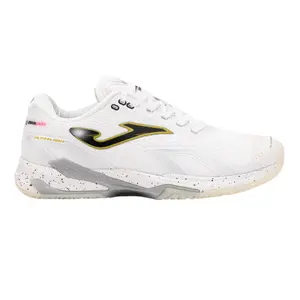
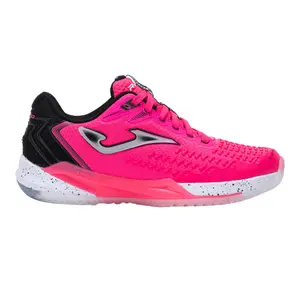
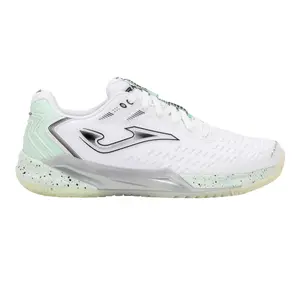
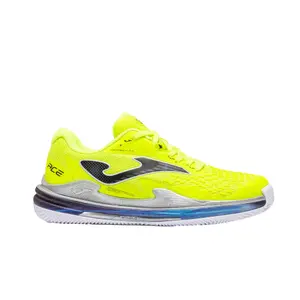
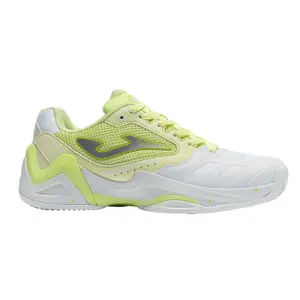
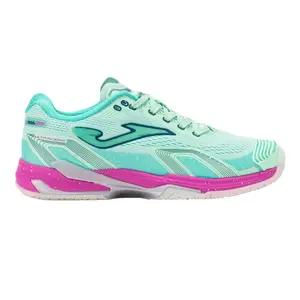
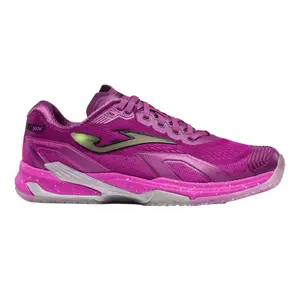
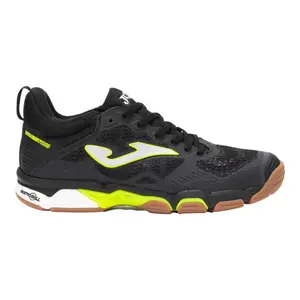
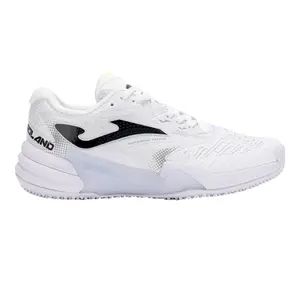
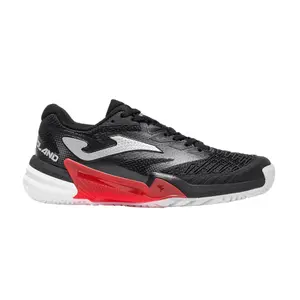
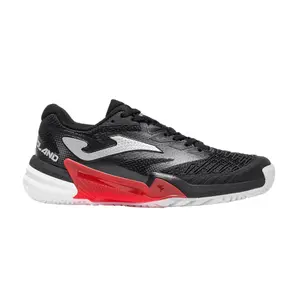
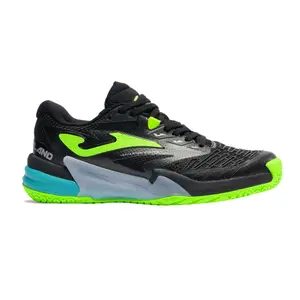
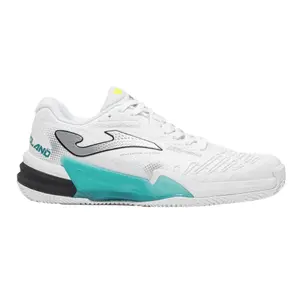
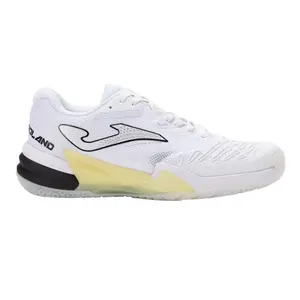
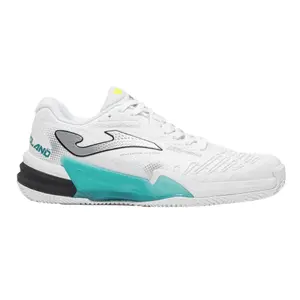
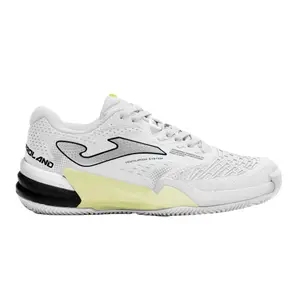
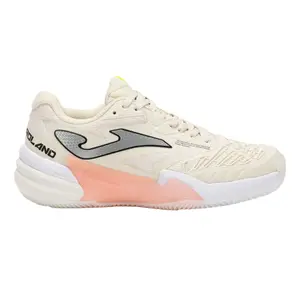
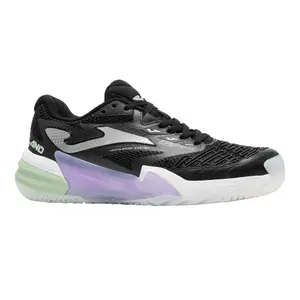
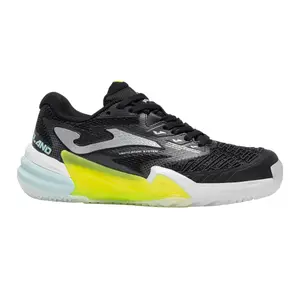
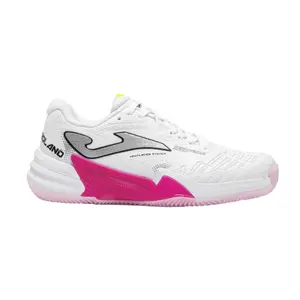
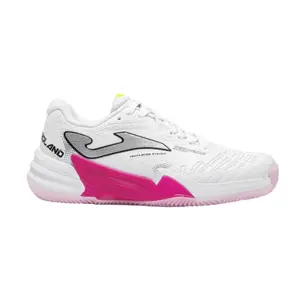
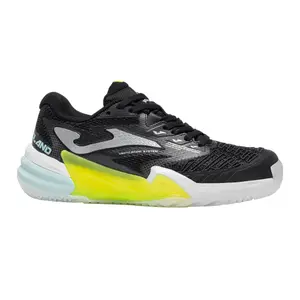
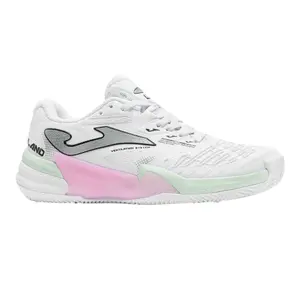
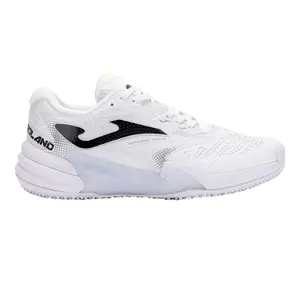
Our Joma page features the padel shoes from the Spanish brand founded near Toledo, designed for support, braking, and lateral movements on sanded synthetic grass. You'll find what sets apart its Slam, Smash, and Set lines, the differences between herringbone, clay, and omni soles, as well as our tips for choosing your size and making your pair last.
The Spanish expertise in sports, on the court.
Joma, from Portillo de Toledo to padel courts
Joma was founded in 1965 by Fructuoso López in Portillo de Toledo, near Toledo, where the brand has kept its headquarters. Born from sports shoes, it found in padel, which has become a societal phenomenon in Spain, a natural area for its expertise. Its range of padel shoes is organized into several lines, such as the Slam, Smash, Set, Open, and Master, which stand out for their soles, cushioning, and fit. It caters to both the casual player who books a court on the weekend and the competitor who juggles training and tournaments.
Other brands
Padel shoes are also available by brand:
All shoes are gathered on the shoes page.
Raft, clay, or omni sole: which one to choose
The raft sole, or chevron, remains the most common in padel: its V-shaped lines bite into the sand of synthetic grass and allow for a controlled slight slip during defenses. The clay sole, like that of the Joma Set, adopts this chevron pattern with rubber designed for courts heavily sanded. The omni sole, covered with small spikes, maximizes grip on newer courts, which contain less sand, and on covered grounds. Thus, one chooses their sole based on the court where they play most often, avoiding any smooth sole that would slip at the first change of direction.
Stability, cushioning, and fit of Joma models
Padel requires quick stops, lateral movements, and short jumps at the net. The Joma Slam targets players who play often and intensely, featuring a reinforced upper on the sides and a stable heel for repeated support. The Smash combines responsiveness and cushioning on a wider fit, appreciated by those whose feet feel cramped. In all cases, one checks that the forefoot, which rubs against the ground during slides, is protected by an overshooting rubber, and that the heel doesn't move when leaning towards a low ball. A firm heel counter limits sprains when returning to defense.
Good deals
Good bargains can also be found in good deals, promotions, clearances, sales, Black Friday. The new arrivals showcase the latest collections, and items shipped in 24h are prepared and dispatched within 24 hours. The key dates of the year follow a stable order: the Black Friday at the end of autumn, the year-end holidays, the winter sales, the French Days in spring, followed by the summer sales and back-to-school season.
Frequently asked questions
Do Joma padel shoes run large or small?
Start with your usual size and try on the shoe at the end of the day, with your playing socks. If you have wide feet, the Smash, with a wider fit, avoids compressing the forefoot during supports.
Does Joma offer padel shoes for women?
Yes, Joma offers several of its padel models in a women's version, with a slimmer shape at the heel and forefoot. The criteria remain the same: sole adapted to the court, lateral support, and cushioning at the heel.
How long does a pair of Joma padel shoes last?
It all depends on the frequency of play, as sand wears out rubber quicker than a smooth surface. When the chevrons fade under the forefoot and grip decreases, change your pair to avoid slipping and sprains.
How to take care of your padel shoes after a match?
Tap the soles against each other to dislodge the sand, remove the insoles, and let the pair dry in open air, away from a radiator. A soft brush is enough to clean the upper without damaging the reinforcements.
Is a Joma padel shoe suitable for a beginner?
Yes, provided you choose a sole suited to the court and good heel support. A beginner doesn’t need the most technical model, but a proper padel shoe offers better protection than a regular sneaker.






