
Padel shoes for men and women
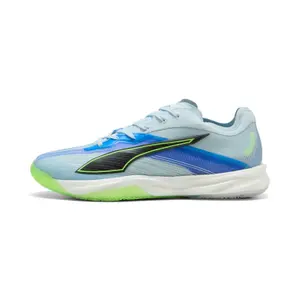
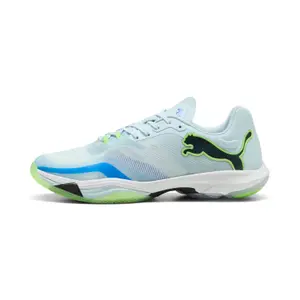
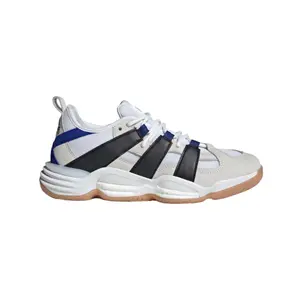
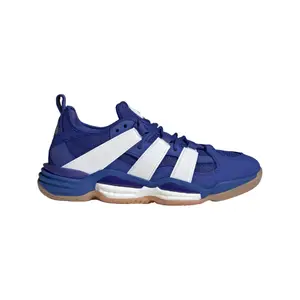
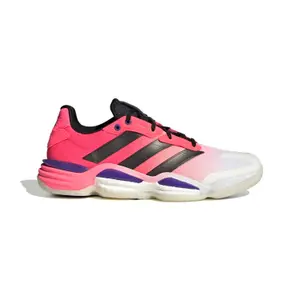
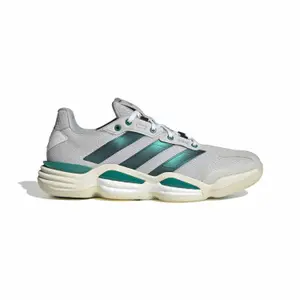
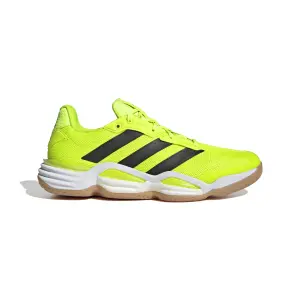
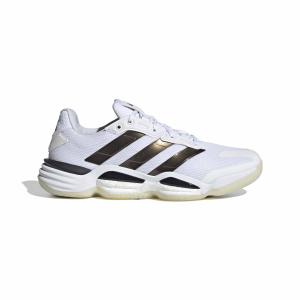
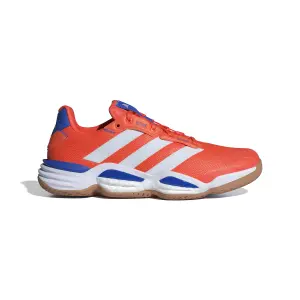
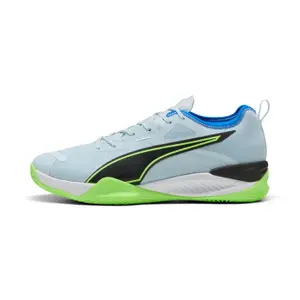
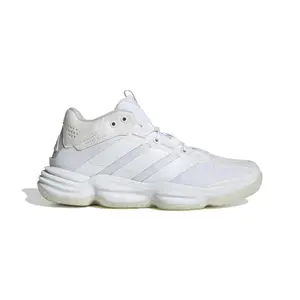
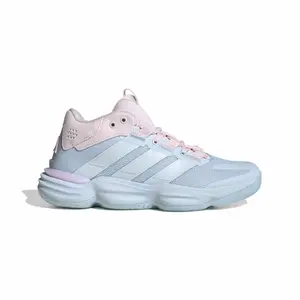
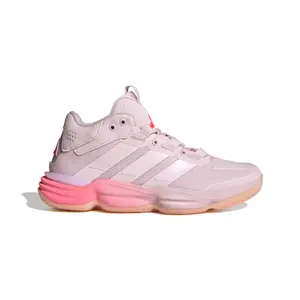
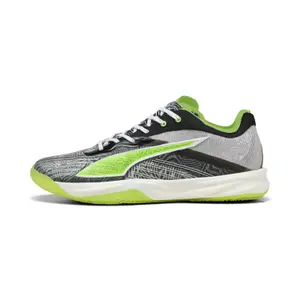
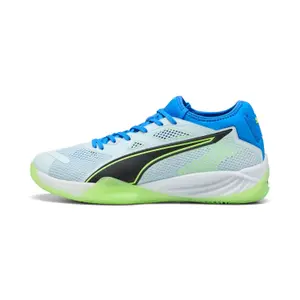
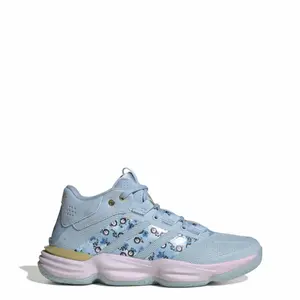
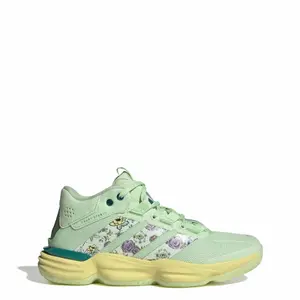
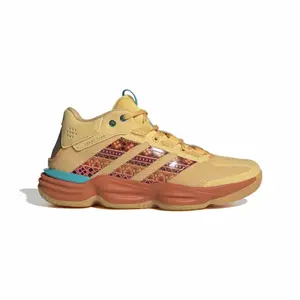


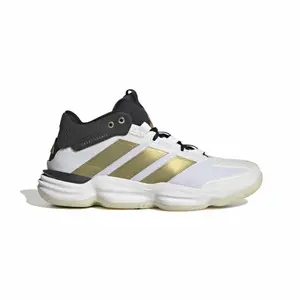
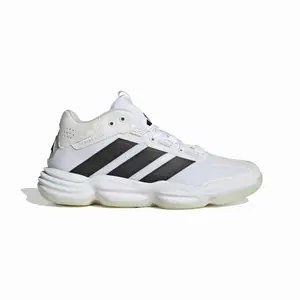
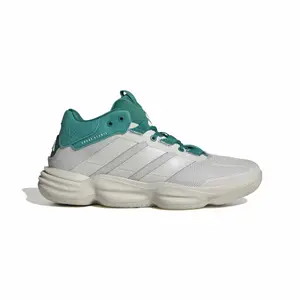


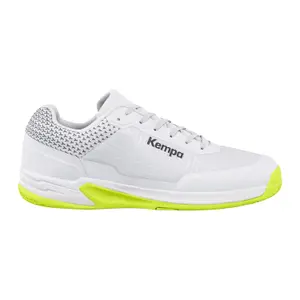
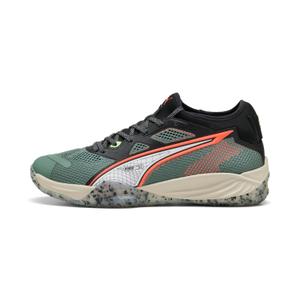
Paddle shoes are designed for sand-covered synthetic grass: herringbone or hybrid sole, reinforced lateral support and protected toe for the slots. The selection includes Spanish specialists Bullpadel, Munich, J'hayber and Nox, models from Asics, Mizuno, Joma or Lotto, and the Head Motion Pro, available for both men and women, with laces or a dial.
A sole that grips the sand without slipping.
Chevron, omni or hybrid: which sole for sanded grass
The sole is chosen according to the state of the surface. The chevron pattern, in zigzag across the entire surface, is the most common: it grips the sand without getting loaded and allows the foot to pivot, making it the basic choice on well-sanded synthetic grass. The omni sole, covered in small spikes, grips better on harder surfaces or those with less sand, where the chevrons tend to slide. Hybrid soles combine both: the Head Motion Pro, developed with a padel grass manufacturer, blends chevrons to bite into the sand and spikes for grip on the grass fibers. It is the most versatile compromise for those playing at various clubs with different surfaces.
By brand
Padel shoes are sorted by brand:
Padel also includes rackets, balls, textiles, accessories, brands.
Lateral support, reinforced toe, cushioning: what protects the player
Padel involves short lateral movements and sudden stops near the walls: the upper must hold the foot on the sides, with a firm heel counter and outer reinforcements that limit sprains. The toe rubs against the grass in low slots and ball pickups, hence a rubber shell that rises on most models. The cushioning, often focused at the heel, absorbs landings after a smash or a bandeja. Head combines in the Motion Pro a DynaFoam foam and a lateral stabilization system; Asics and Mizuno transpose their cushioning experience to padel, and the Spanish brands Bullpadel, Munich, and J'hayber design models specifically for this sport from the outset.
Size, BOA lacing, and sole wear
The size is taken at the end of the day, with sports socks: the heel should not lift, and half a centimetre of space in front of the big toe prevents damaged nails during stops. The BOA lacing, offered on some Head Motion Pro models, replaces laces with a fine cable tightened by a dial: the fit can be adjusted precisely and does not loosen during the match. A padel shoe is reserved for the court, as tarmac quickly wears down its features. When the pattern wears down at the front of the foot, grip significantly decreases: this is a signal to change pairs before slips increase during direction changes.
Good deals
Good deals can also be found in good deals, promotions, clearance, sales, Black Friday. The new arrivals showcase the latest collections, and items shipped in 24 hours are prepared and sent within 24 hours. The key times of the year follow a stable order: the Black Friday at the end of autumn, the end-of-year holidays, the winter sales, the French Days in spring, followed by summer sales and back-to-school.
Frequently asked questions
Are women's padel shoes different from men's models?
Women's models are based on a slimmer shape at the heel and forefoot, and a cushioning tailored to a lighter average weight. The Head Motion Pro is available in both versions; a female player with a wider foot can choose the men's version in her foot length.
How to choose padel shoes in large sizes?
Beyond size forty-six, check the foot length in centimeters on the brand's guide, as the differences between manufacturers grow with size. A wide fit avoids compressing the forefoot, which is common with large feet.
Can you play padel with tennis shoes?
A clay court tennis shoe, it too with chevrons, can work on sanded grass. However, the model for hard surfaces, with a smoother sole, can slide on sand and lead to falls: it’s better to have a pair designed for padel.
How long does a pair of padel shoes last?
For two matches per week, expect generally from six months to a year. The duration mainly depends on the player's weight, footwork, and the amount of sand on the court, which acts as an abrasive on the sole.
How to take care of your padel shoes?
After each match, tap the soles to remove sand and take out the insole to let it dry. A gentle brush on the upper is enough, without a washing machine or radiator, as they weaken the glues.






