
Trail running luggage

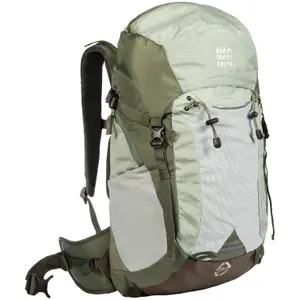


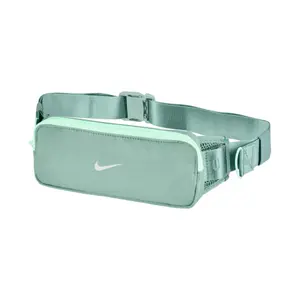
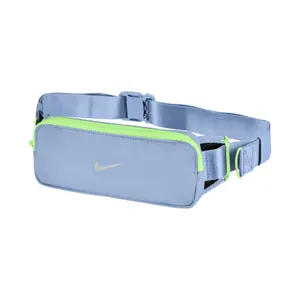
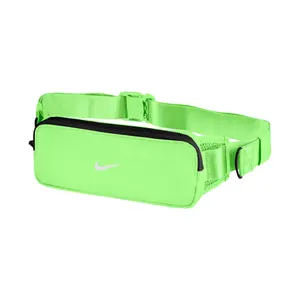
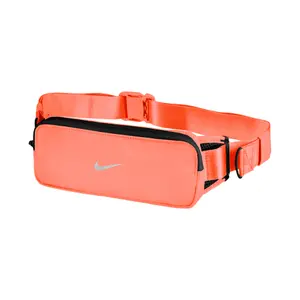


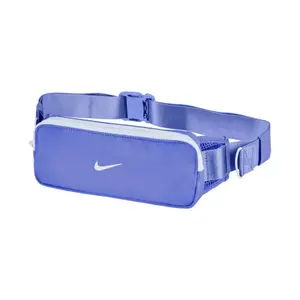


The Trail Hydration page brings together what you need to carry water and gear while running: hydration vests Osprey Duro and Dyna, Silva Strive Fly, Dynafit Alpine, Oxsitis Spectre, Fitletic Hydra and Patagonia Slope Runner, belts Asics, Brooks Cascadia and Coxa Carry, and waist packs Nike and Cotopaxi. Fitted models like clothing, for an hour's outing as well as for ultra.
Carry water and the essentials, without being hindered.
Why a vest instead of a classic bag
When trail running, you should forget you’re carrying anything. A classic bag that sits on your shoulders and is strapped around your waist bounces with every step, rubs against your back, and forces you to stop to drink. In contrast, the hydration vest fits like a snug piece of clothing: its load, distributed across the upper torso, stays put on descents, and its front pockets put flasks, gels, and your phone within easy reach without slowing you down. For short outings, the belt does a similar job around the hips, with even less material on the upper body, allowing your back to breathe in hot weather and completely freeing your shoulders.
By type of bag
The selection is organised by type:
Trail running also includes trail shoes, men's clothing, women's clothing, gear, accessories, on the trail running page.
Vest, belt or bum bag: what to wear depending on the outing
The vest is chosen based on its volume, from five litres for a two-hour outing to around twelve for an ultra: the Osprey Duro, the Silva Strive Fly, or the Dynafit Alpine fit soft flasks at the front, which compress as they empty and don’t slosh around, and a jacket in the back. Women’s models, like the Osprey Dyna or the Oxsitis Spectre, have curved straps that hug the chest without squeezing. The belt Asics Fujitrail or Brooks Cascadia carries a flask and a phone for an hour or two, while the Swedish brand Coxa Carry shifts the weight fully onto the hips, with no pressure on the shoulders. The bum bag Nike or Cotopaxi Kapai holds your keys and a gel.
The required gear for mountain races
In mountain trails, the rules require mandatory gear to be checked when picking up your race number, sometimes even during the race: water reserve, survival blanket, whistle, elastic adhesive band, waterproof jacket with a hood, headlamp with spare batteries, phone, food reserve, and often a personal cup, as many races no longer provide disposable cups at aid stations. The vest must hold everything without spilling: it should be tested loaded, during training, and on fast descents to check that it stays in place. Storing each item always in the same pocket saves precious minutes during aid stops.
Good deals
Great bargains can also be found in good deals, promotions, clearance sales, sales, Black Friday. The new arrivals showcase the latest collections, and items shipped within 24h are prepared and sent out in 24 hours. The key events of the year follow a stable order: the Black Friday at the end of autumn, the year-end holidays, the winter sales, the French Days in spring, then the summer sales and the back-to-school season.
Frequently asked questions
Soft flasks or water bladder in a trail vest?
The front flasks can be drunk from without stopping and show how much is left. The water bladder, in the back, offers more volume but fills up slower at aid stations. On long distances, many trail runners combine both.
How to avoid chafing with a trail vest?
First tighten the side straps, then the chest straps, until the vest hugs your body without restricting your breathing. On longer runs, an anti-chafing cream on the shoulders and a technical t-shirt with no thick seams can help to avoid irritation.
How to clean a water bladder after a race?
Rinse it with lukewarm water as soon as you get back, with a drop of washing-up liquid or a cleaning tablet, then leave it to dry open, upside down. Store it perfectly dry, even in the freezer, to prevent mould and plastic taste.
What size hydration vest should I choose?
The vest is chosen based on your chest measurement, taken under the arms, and not the t-shirt size. It should close with a bit of adjustment room, to fit over a warm layer in winter as well as a simple top in summer.
Can you run with a belt without it riding up?
Yes, as long as you wear it low, on your hips and not at your waist, and tighten it just enough so that it doesn’t move. A wide, stretchy belt, loaded symmetrically, stays in place even at a brisk pace.






