
Sac for trail and running nature

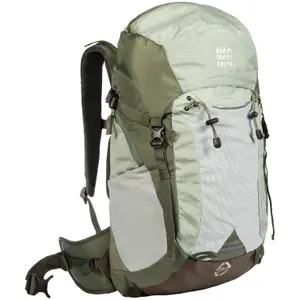


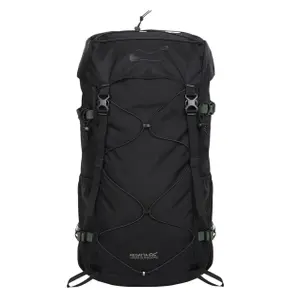


Our selection of trail backpacks is aimed at runners who head out for long trips in the mountains: ultra-trail with mandatory gear, reconnaissance outings, long days split between running and fast hiking on technical paths. Lightweight bags that are stable while running, with a reservoir pocket, chest strap, and pole attachments, like the Lowe Alpine AirZone Active, the Haglöfs L.I.M or the Cotopaxi Luzon.
The right volume for every outing.
What volume of bag for trail distance
The volume of a trail bag is first chosen based on the time spent away from a refreshment point. For a two to three hour outing, five to ten litres are sufficient: a flask, a windbreaker, a bar. Once you aim for an ultra-trail, you need to fit all the mandatory gear, and a bag of twelve to twenty litres becomes the norm. At around twenty-five litres, you enter multi-day crossings, where you alternate running and fast walking with a warm layer and supplies for the day.
The larger the bag, the more it needs to compress: a half-empty bag that flops around with every step is just as tiring as an overstuffed bag.
Other bags
The trail luggage also comes in different types:
All the luggage can be found on the luggage page.
Stability while running: what sets a trail bag apart
A trail bag must stay close to your back with every step, both uphill and downhill. It sits high, close to the shoulder blades, and is stabilized by an adjustable chest strap rather than a wide belt that would hinder breathing. The wide and breathable straps distribute the load and have pockets for drinking without stopping. The Lowe Alpine AirZone Active features a suspended mesh back that allows air to circulate, which is crucial during long ascents in the sun. The Haglöfs L.I.M, for Less Is More, minimizes weight with a fine ripstop fabric, reinforced in high-wear areas.
Water pouch, poles, and mandatory ultra gear
On major mountain races, the organization checks the contents of the bag. The UTMB, for example, requires a water reserve of at least one litre, a survival blanket of at least one meter forty by two, a whistle, an elastic adhesive bandage, two working lamps, and a hooded jacket with a waterproof membrane. The bag must fit everything without overflowing. So, make sure there’s a compartment for a water pouch, like the Cotopaxi Luzon, a ten-litre bag weighing around three hundred grams, and pole attachments, essential for stowing away the poles without stopping when the terrain becomes runnable again.
Good deals
Great bargains can also be found in good deals, promotions, clearance, sales, Black Friday. The new arrivals showcase the latest collections, and items shipped in 24h are prepared and dispatched within 24 hours. The key events of the year follow a stable order: the Black Friday at the end of autumn, the holiday season, the winter sales, the French Days in spring, then the summer sales and the back-to-school period.
Frequently asked questions
Is a trail bag suitable for female runners?
Trail bags can be adjusted for various body shapes thanks to their sliding chest straps. Women’s versions have shorter, contoured straps that avoid compressing the chest. The key thing is that the bag doesn’t ride up or rub against the neck while running.
How to pack your trail bag?
Place the water pouch and heavy items against your back, as high up as possible, then nestle clothing around them. Keep bars, cups, and your phone in the front or side pockets for easy access without removing the bag, and tighten the compression straps.
Water pouch or soft flasks: what to choose?
The water pouch, housed in the back, carries a large volume without feeling cumbersome, but its level is poorly monitored and fills slowly at refreshment points. Flasks tucked into the straps fill up quickly and show how much remains. Many ultra runners combine both.
How to wash a trail bag?
Empty it, rinse it with warm water and mild soap, paying special attention to the straps soaked with sweat, then let it dry open in the shade. Avoid the machine, which damages foams and water-repellent coatings, and rinse the water pouch after every outing.
Is a twenty-litre bag too big to run with?
Not if it compresses well: tight side straps keep a twenty-litre bag half full stable while running. It provides the necessary space for a warm jacket and supplies during long days at altitude, where a smaller bag would require sacrificing gear.






