
Volleyball balloon accessories
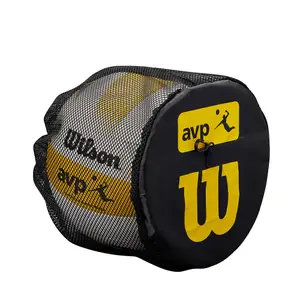

Our Accessories page for volleyballs brings together our tips for maintaining and transporting your balls: pumps and inflation needles, pressure gauges to check the pressure, bags and nets for balls, trolleys for clubs, so you can always play with balls in good condition.
Balls that are always ready to play.
The right pressure
An incorrectly inflated volleyball changes the game: too hard, it hurts the forearms during passing and bounces too fast; too soft, it lacks speed and doesn't respond well during attacks. The recommended pressure is marked on the ball, around a few tenths of a bar depending on the model. A ball gradually loses air, even when not in use: we check it before each session, with the right tools.
The other balls
Volleyballs also come in:
All the balls are gathered on the balls page.
Inflating and controlling
The pump, manual or double action that inflates on the push and pull, is used with a needle that should be dampened before inserting it into the valve, to avoid damage. The manometer, whether built into the pump or separate, measures the pressure accurately: it's an essential tool for coaches and referees. Always keep spare needles in your bag, as they can easily bend and get lost.
Transporting and storing
The bag for balls, made of mesh or fabric, carries several balls at once, from the locker room to the field or while traveling. The trolley for balls, on wheels, is used in gyms and makes setting up drills easier. Store your balls in a dry place, at room temperature, away from a heat source and direct sunlight that can damage the surface. Clean a dirty ball with a damp cloth and a bit of mild soap, never with a solvent.
Good deals
Good deals can also be found in the good deals, promotions, clearance, sales, Black Friday. The new arrivals showcase the latest collections, and items shipped in 24 hours are prepared and dispatched within 24 hours. The key sales events of the year follow a predictable order: Black Friday at the end of autumn, holiday season, winter sales, French Days in spring, then summer sales and back-to-school.
Frequently asked questions
What pressure should a volleyball have?
The recommended pressure is marked on the ball, around a few tenths of a bar depending on the model. If over-inflated, it hurts the forearms during passing; if too soft, it lacks speed during attacks.
Why use a manometer for your ball?
The manometer measures the exact pressure, whereas estimation by touch can be approximate. It ensures that all the balls in a session react the same way, during training and matches.
How to avoid damaging a ball valve?
Always moisten the needle before inserting it, then push it in straight and without forcing. A dry or bent needle can tear the valve and cause a slow leak.
Bag or ball net: which to choose for a club?
The net, lightweight and compact, easily carries about ten balls and allows them to breathe. The bag offers better protection from rain and dirt; in the gym, a trolley avoids carrying the load.
Why does a ball deflate even when not in use?
Air gradually seeps through the bladder, even at rest, and cold causes a drop in pressure. Therefore, it should be checked before each session and the balls stored in a temperate room.






