
Training volleyballs

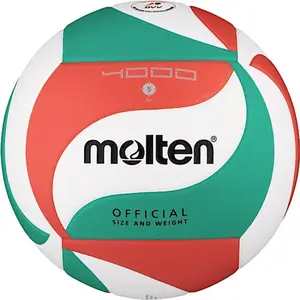
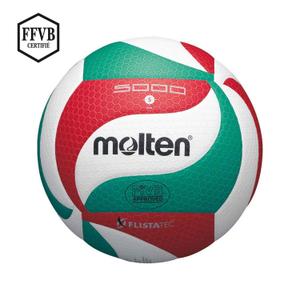


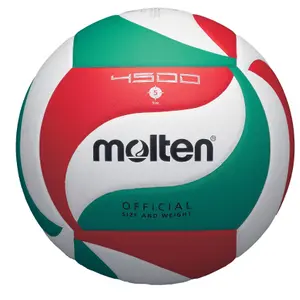
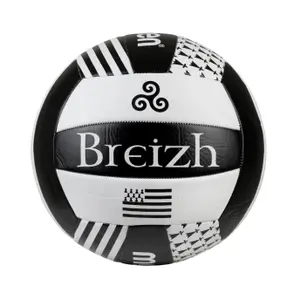
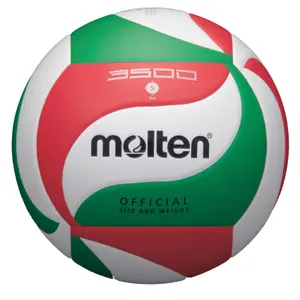
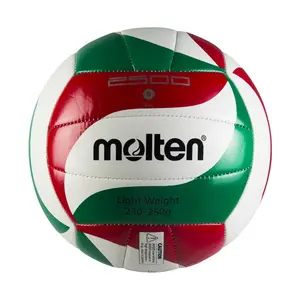
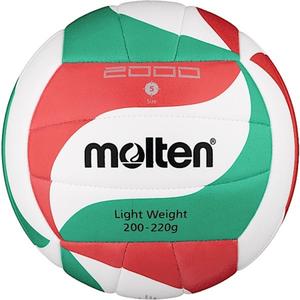
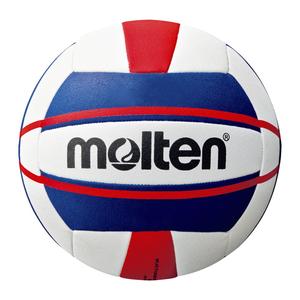
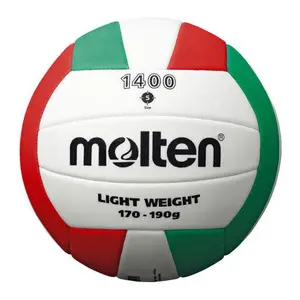
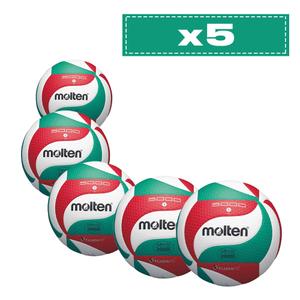
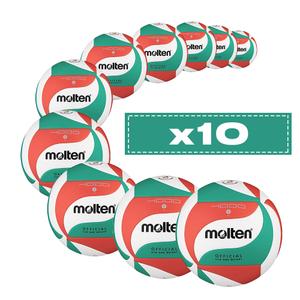
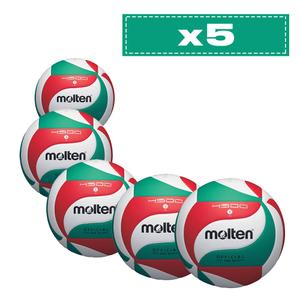
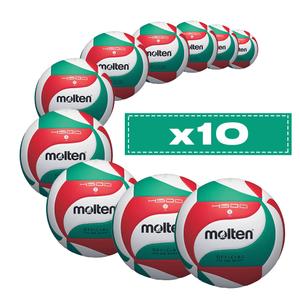
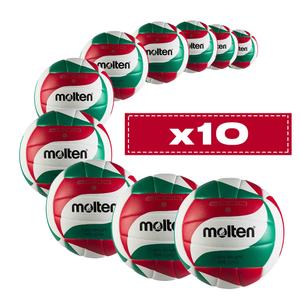
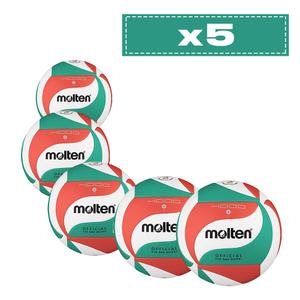
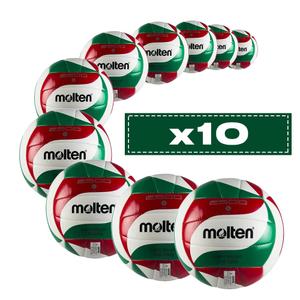

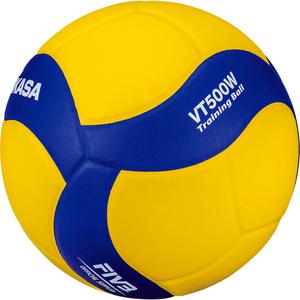
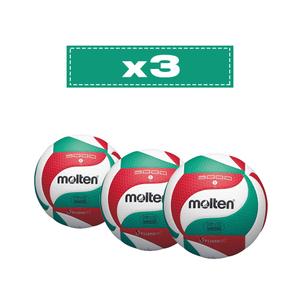
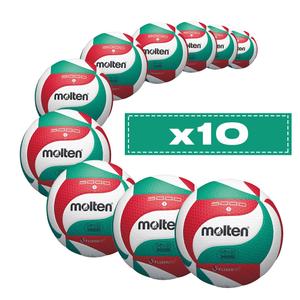
Our selection of Training brings together indoor volleyballs designed to withstand club sessions: Mikasa V330W and V360W, Molten V5M, Wilson Helix and Impact, lighter versions for younger players and packs of five or ten balls. All maintain the standard size five, so that the skills practiced in training remain intact on match day.
The ball that accompanies every session.
Match ball or training ball: what's different
A training ball has the same size as a match ball, measuring sixty-five to sixty-seven centimetres in circumference and weighing two hundred sixty to two hundred eighty grams, but it's designed to last. The Mikasa V200W, approved by the FIVB, features a very fine touch microfibre with cells. Club models, like the Mikasa V330W, the Molten V5M4000 or the Wilson Helix, come with a more durable cover that withstands the hundreds of hits and passes during a session and the rebounds against the walls of the gym. Their design is inspired by competition balls to get the eye and hands used to the same trajectories.
Other balls
Volleyballs are also available in:
All balls are gathered on the balls page.
Light balls: what weight for M11 and M13
For the younger ones, the lightweight ball keeps the size five but reduces the weight, which limits the pain on the forearms and encourages playing clean passes instead of dodging the ball. The Mikasa V360W-SL, weighing between two hundred to two hundred twenty grams, is recommended up to twelve years old; the Molten V5M2000-L, around two hundred grams, is used for initiation. The Mikasa V360W-L and the Wilson Nova Light, also lightweight, are suitable for volleyball schools and adults new to the activity. In adolescence, as the hitting power increases, one switches to the standard weight.
Pressure, inflation, and storage of club balls
The FIVB sets the pressure of a volleyball between 0.30 and 0.325 kilograms per square centimetre: beyond that, it becomes hard and bursts; below that, it flattens under the setter's hand. A manometer allows for checking each ball before the session, and a slightly moistened needle is gentle on the valve during inflation. After training, the dusty balls should be wiped down and stored in a ball bag away from heat, which can damage the bladder. Packs of five or ten Mikasa and Molten balls can equip an entire team with identical balls.
Good deals
You can also find great deals in the good deals, promotions, clearing sales, sales, Black Friday. The new arrivals showcase the latest collections, and items shipped in 24 hours are packed and dispatched within 24 hours. The year's highlights follow a consistent order: the Black Friday at the end of autumn, the holidays, the winter sales, the French Days in spring, then the summer sales and back to school.
Frequently asked questions
How many balls do you need for a volleyball training session?
Plan for at least one ball for every two players, and ideally one per player for service and reception drills. A group of twelve players works well with a set of ten balls alongside two or three match balls.
What exercises can help improve reception in volleyball?
Start in pairs with controlled passes, arms extended and together, legs bent. Then move on to receiving real services, directing the forearms towards the setter’s area, and gradually increasing the power of the serves.
How can you practice your serve alone in volleyball?
Set up targets on the ground in the opponent's court and alternate between short series: underarm serve for consistency, then tennis serve, and finally a smashed serve. A bag filled with balls saves you from crossing the court after each hit.
Can you use an indoor volleyball outside?
It's possible occasionally, but the asphalt and gravel can wear down its cover and the moisture makes the ball heavier. It’s better to reserve an old ball or one intended for outdoor use, and keep your club balls for the gym.
When should you replace a training ball?
Replace it when it loses its pressure from session to session, when its cover starts to peel away, or when it becomes smooth enough to slip from the setter's hands. A misshapen ball also affects trajectories and hinders learning.






