
Competition volleyballs

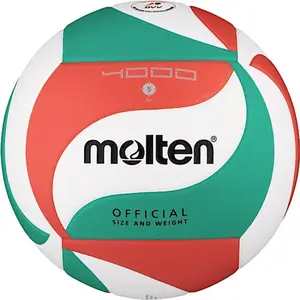
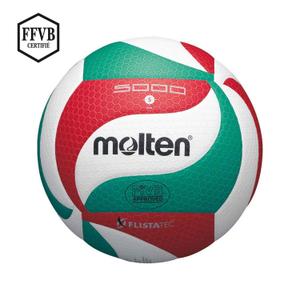


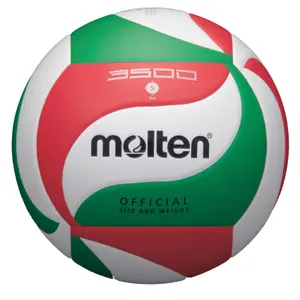
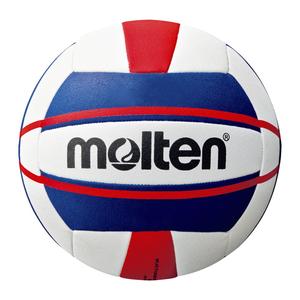
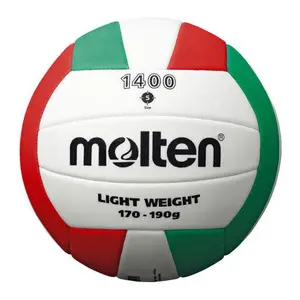
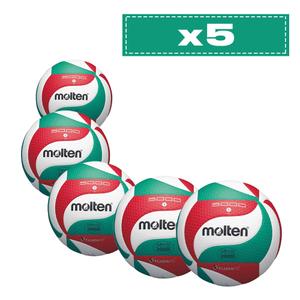
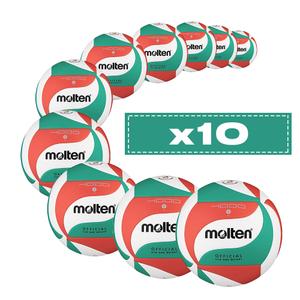
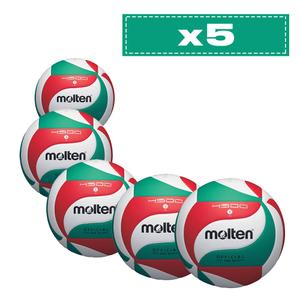
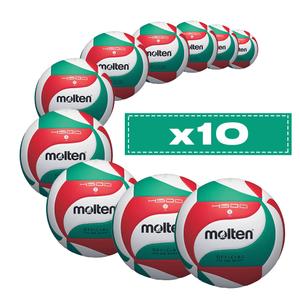
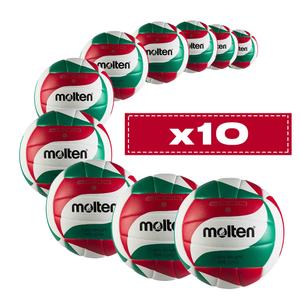
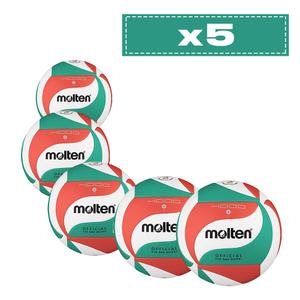
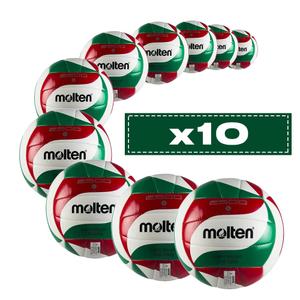

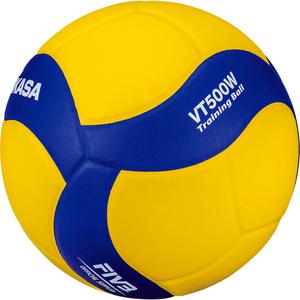
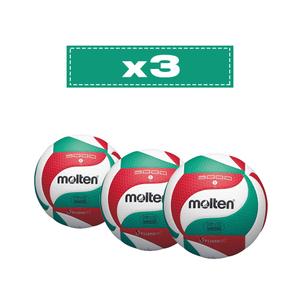
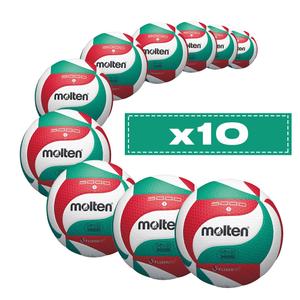
Our selection Competition brings together match balls: Mikasa V200W, V300W and V330W, Molten V5M5000 and V5M4000, Wilson, Mikasa Beach Pro and Wilson AVP beach volleyballs, and sets of five or ten competition balls to equip clubs.
The ball for official matches.
The match ball standards
The volleyball competition ball meets specific standards set by the international federation: a circumference of about sixty-six centimetres and a weight of around two hundred and seventy grams, with controlled internal pressure. Approved balls are tested for their shape, bounce, and trajectory. They provide a precise touch, a consistent grip on passes, and stable flight during serves, even when floating.
By usage and brand
Volleyball balls also come in:
- Training.
- Beach Volleyball.
- Sets.
- Foot Volleyball.
- Accessories.
- Mikasa.
- Molten.
- Wilson.
- Erima.
- Tremblay.
- Spalding.
- Nike.
All balls are gathered on the balls page.
Mikasa and Molten
Two Japanese brands dominate the volleyball competition ball market. Mikasa provides the official ball for indoor international competitions, the V200W, recognisable by its yellow and blue panels: its micro-cell surface improves grip and stabilises trajectory. Molten supplies many national championships, including France's championship with the V5M5000. The Mikasa V300W and V330W, as well as the Molten V5M4000, which are more affordable, are suitable for regional championship matches and quality training sessions.
Equipping a club
A club keeps its match balls for games and uses training balls, which are more durable, for practice sessions. Sets of five or ten Mikasa or Molten balls allow a team to be equipped all at once, with the same ball for everyone. In beach-volley, the Mikasa Beach Pro, approved by the international federation, and the Wilson AVP, the ball of the American circuit, are the references. Pressure is checked before each match with a gauge.
Good deals
Good bargains can also be found in the good deals, promotions, clearance, sales, Black Friday. The new arrivals showcase the latest collections, and items shipped in 24h are prepared and dispatched within 24 hours. The big events of the year follow a steady order: the Black Friday at the end of autumn, the holiday season, the winter sales, the French Days in spring, then the summer sales and back to school.
Frequently asked questions
What size ball for volleyball competition?
Senior matches are played with a size five ball, with a circumference of about sixty-six centimetres. Young players use lighter, sometimes smaller balls, to protect their forearms and learn the technique.
Mikasa or Molten: what’s the difference in touch?
Both make approved balls. The Mikasa, with its dimpled surface, provides a stable trajectory and a soft touch; the Molten, with its textured surface, offers a firmer grip. It mainly comes down to personal preference.
Can an indoor volleyball be used for beach-volley?
No, the beach-volley ball is slightly larger, less inflated, and softer, to float better in the wind and be gentler on the hands in the sand. The Mikasa Beach Pro and Wilson AVP are designed for that use.
How many balls should be available for a training team?
Count at least one ball for every two players, and two or three identical match balls for competition. Sets of five or ten balls allow a team to be equipped all at once with a single model.
How to recognise an approved volleyball?
An approved ball has the logo of the international or national federation that approved it printed on its surface. These balls have passed tests for shape, bounce, and trajectory.






