
Volleyballs Tremblay
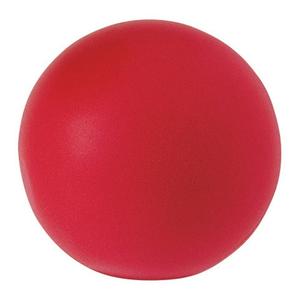
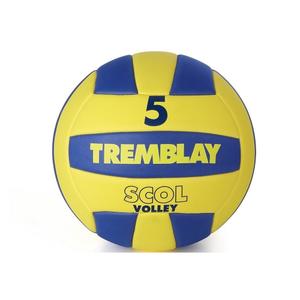
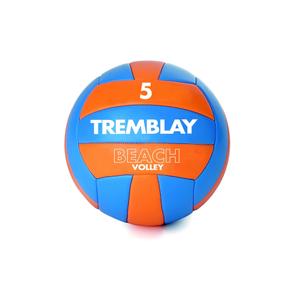
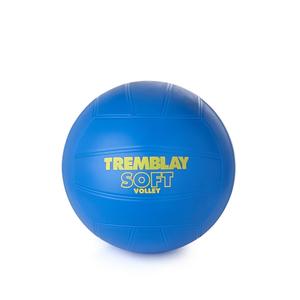
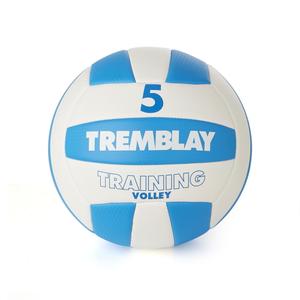
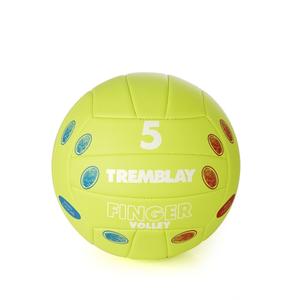
Our Tremblay page showcases volleyballs from the French brand that has been equipping schools, communities, and clubs since 1971, designed for beginners and physical education, along with our advice on choosing a ball suitable for the age and level of players, and how to make it last through the cycles of volley.
The first ball for school children.
Tremblay, the gym equipment since 1971
Since 1971, Tremblay has been designing equipment for team sports played in schools, communities, and clubs. Its volleyball balls are used in gyms where students discover this sport during physical education classes, often in cycles lasting a few weeks. The brand focuses on heavy usage: balls handled by dozens of students each day, hit against walls, stored loosely in a net, and must retain their shape and feel from one school year to the next.
Other balls
Volleyballs are also available in:
All the balls are gathered on the balls page.
Light or official ball: the progression
For beginners, a light ball is chosen, which is lighter than the 260 to 280 grams of the official ball, and softer to the touch. It reassures beginners, does not hurt their forearms during passing or their fingers when receiving, and remains slow enough to allow time to position themselves. Once the skills are acquired, they move on to a regulation weight ball, which is firmer and prepares them for club play. Younger players often start with very soft balls, almost foam-like, to discover the bounces without any apprehension.
Cover and durability of school balls
The cover determines the lifespan of a ball used in class. Rubber or PVC balls, which are very durable, withstand repeated hits, shocks against walls, and occasional outdoor use. Soft synthetic balls, glued onto a bladder, provide a more pleasant touch but wear out faster on rough surfaces. A butyl bladder retains pressure better than a latex bladder, which limits the need for inflation between classes. For a gym, a soft and durable ball remains the best compromise.
Good deals
Good deals are also found in good deals, promotions, clearance, sales, and Black Friday. The new arrivals showcase the latest collections, and items shipped within 24 hours are prepared and dispatched in 24 hours. The highlights of the year follow a consistent order: Black Friday at the end of autumn, the holiday season, winter sales, French Days in spring, followed by summer sales and back-to-school.
Frequently asked questions
Why choose a light ball for starting out in volley?
Lighter and softer than a competition ball, it doesn't hurt the forearms during passing or the fingers when receiving. Beginners build confidence and repeat the correct moves more quickly.
Which volley ball to choose for children?
Before about twelve years old, a light ball makes it easier to pass and receive. For younger children, a very soft ball allows them to discover the moves without fear before moving on to a traditional ball.
How many balls to have for a class?
The ideal is one ball for every two students to maximize ball touches during passing and receiving exercises. With fewer balls, waiting times reduce each individual's practice time.
What pressure should a beginner's volley ball have?
Follow the pressure indicated near the valve and check it before each class with a gauge. An over-inflated ball can hurt and wears out faster, while an under-inflated ball bounces poorly and disrupts the techniques.
How to maintain balls used in the gym?
Clean them with a damp cloth, without harsh products, and store them sheltered from heat. Avoid leaving them in the sun or near a radiator, and do not kick them, as this distorts their structure.






