
Cork and foam yoga bricks


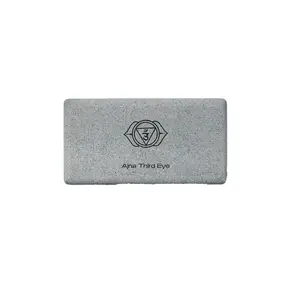
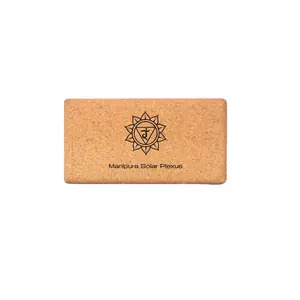
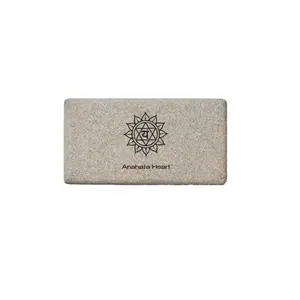
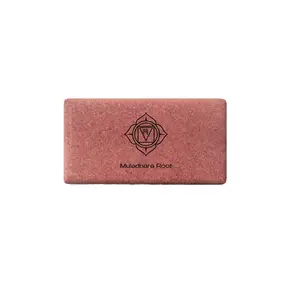
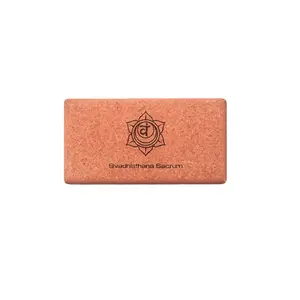
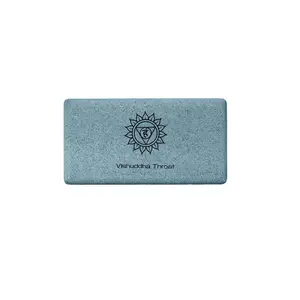
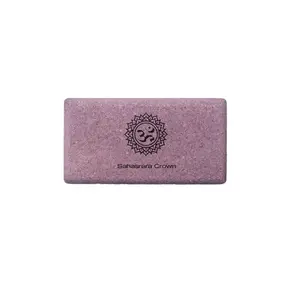
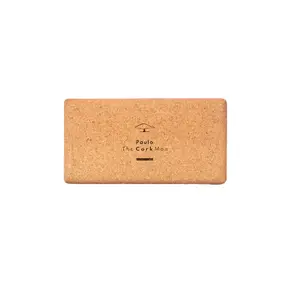


Our selection of Yoga Bricks includes blocks that help maintain positions: cork brick Sveltus, dense and stable, and foam bricks Avento, lightweight and soft, for beginners as well as for deepening your practice.
The floor closer, the posture more accurate.
What is a brick for
The yoga brick, a rectangular block, brings the floor closer when flexibility is still lacking: in a forward bend or a triangle, you place your hand on the brick rather than forcing to touch the mat. It helps to keep the back long and the alignment right, without compensating with poor posture. Far from being reserved for beginners, it is also useful for advanced practitioners to deepen an opening or hold a pose longer.
The rest of the equipment
Yoga also includes:
- Yoga Mats.
- Accessories, straps, cushions and bolsters.
- Leggings.
- Bras.
- Textiles.
All things yoga are gathered on the yoga page.
Two materials
The brick made of cork, like the Sveltus, is dense, heavy, and very stable: it doesn’t crush under body weight and is suitable for balance and support poses, like a bridge supported under the sacrum. Cork, a natural material, provides good grip, even with sweaty hands. The brick made of foam, like the Avento, is light, soft and cheaper: comfortable under the knees or seating, it is easy to carry to class, but compresses more under strong pressure. Many practitioners use two bricks to balance poses on both sides.
Three heights, a thousand uses
A brick offers three heights depending on whether you place it flat, on its side, or upright, allowing you to adjust the support as you progress. Placed under the hands in a lunge or triangle, it brings the floor closer. Slipped under the buttocks in meditation or sitting posture, it tilts the pelvis forward and straightens the back. Placed between the thighs, it engages the muscles in a bridge or chair. Under the back, in a restorative pose, it opens the chest. It is often complemented with a strap that extends the arm.
Good deals
Good bargains are also found in good deals, promotions, clearance, sales, Black Friday. The new arrivals showcase the latest collections, and items shipped in 24 hours are prepared and dispatched within 24 hours. The key times of the year follow a stable order: Black Friday at the end of autumn, the end-of-year holidays, the winter sales, the French Days in spring, then the summer sales and back to school.
Frequently asked questions
Cork or foam yoga brick: which one to choose?
Cork, dense and heavy, remains stable under body weight and is suitable for balance and support poses. Foam, light and soft, is gentler under the knees or back and easy to take to class.
How to use a yoga brick when starting out?
Place it under your hand in forward bends or the triangle to bring the floor closer, or under your butt in a sitting posture to realign the pelvis. Start at the highest height and lower it as your flexibility increases.
Do you need one or two yoga bricks?
One brick is enough to start, but a pair allows you to place both hands in low lunges or support the back in lying position. Many practitioners end up using two.
Brick or meditation cushion, what's the difference?
The cushion, filled and soft, is mainly used for sitting for long periods in meditation. The brick, firm and rectangular, offers various heights of support and is used throughout the session, under the hands, pelvis, or feet.
How to clean a yoga brick?
The foam can be cleaned with a damp cloth and a bit of mild soap, then air-dried. The cork should be wiped with a slightly damp cloth, without soaking it, as excess water damages it; avoid aggressive products as well.






