
Fishing rods on clearance
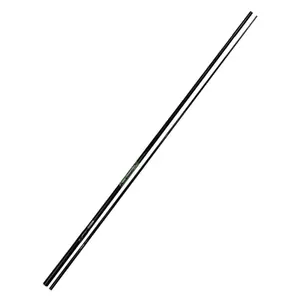
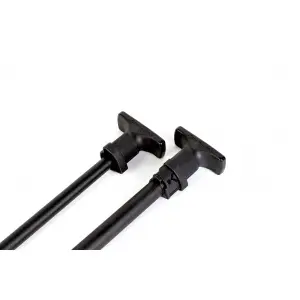
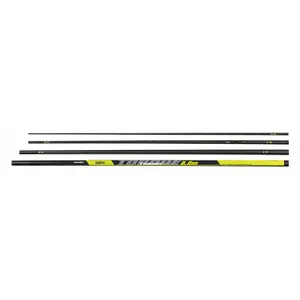
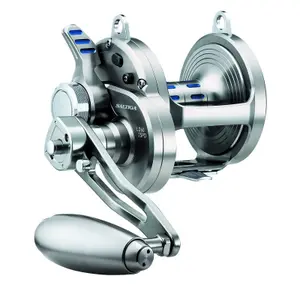
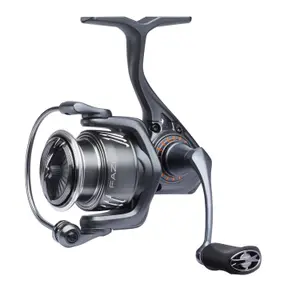

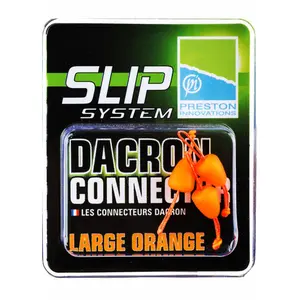
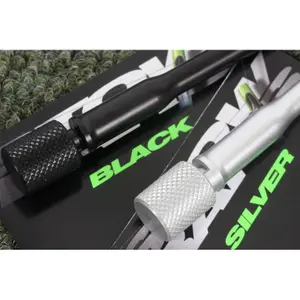
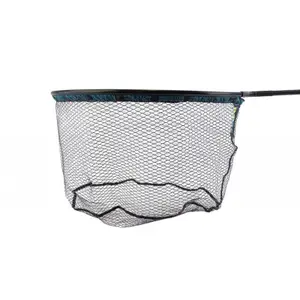
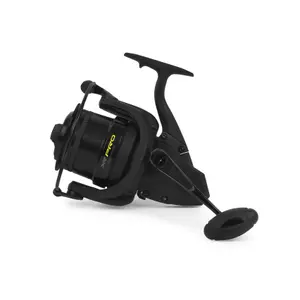
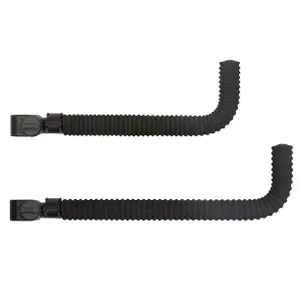
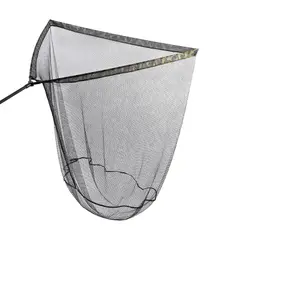
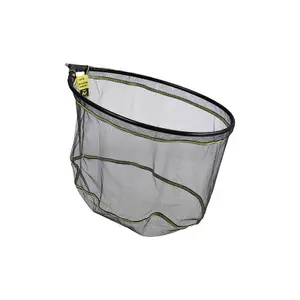
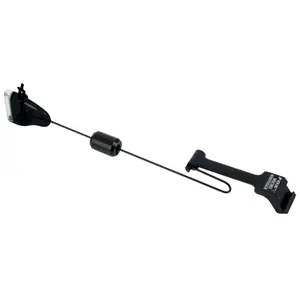
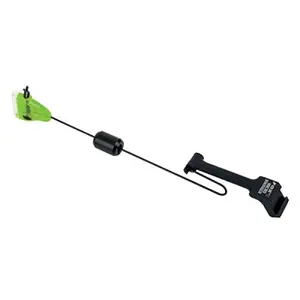
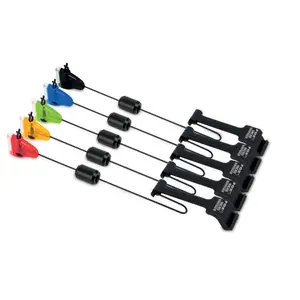
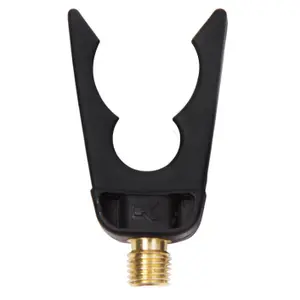
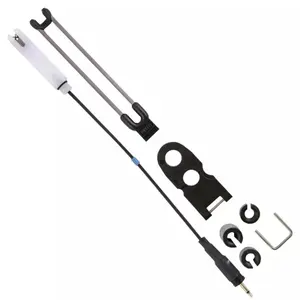
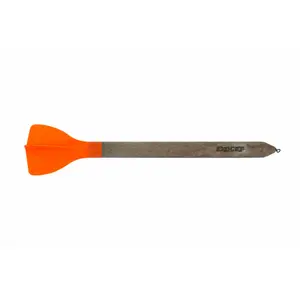
This page brings together the fishing rods that are end of line, for carp, predator fish, and feeder fishing. You'll find the carp rods Fox EOS-X with fully wrapped handles, spinning rods Shimano and Fox for casting lures, and Matrix Aquos feeder rods for fishing with a bait basket: models selected for their carbon blanks and versatility, from small ponds to large lakes.
Complete your carp or predator setup, at a more affordable price.
Carp, predator or feeder: three types of rods
A fishing rod is first chosen based on the technique being used, as each type has its length, action, and power. The carp rod, measuring ten to thirteen feet, casts a heavy rig far out and withstands the runs of a fish over ten kilos. The spinning rod, shorter and lighter, animates lures when casting and retrieving for pike, zander, perch or bass. The feeder rod, like the Matrix Aquos Ultra-XD, is recognized by its fine, interchangeable tip, which signals the bite when fishing with a method feeder for roach, bream, and medium-sized carp.
Other clearance items
The fishing clearance also includes:
All the clearance items are gathered on the fishing page.
Fox EOS-X: the carp rod with a shrink-wrapped handle
The Fox EOS-X range is aimed at carp anglers looking for a reliable rod without aiming for the very high-end models. Its carbon blank with a low resin content has been stiffened for better responsiveness, and its sleek Slik rings reduce the weight at the tip of the rod. The Full Shrink version features a handle entirely covered with Japanese heat-shrink tubing: it doesn't absorb water, doesn't slip under wet hands, and can be cleaned with a quick wipe, unlike cork and neoprene which can wear out over time. The ten-eight millimetre reel seat accommodates large spool reels used for carp fishing.
Casting lures: length and power in spinning
A spinning rod is typically indicated by the markings engraved near the handle: its length and its power range, expressed in grams. For perch and trout, a rod between one metre eighty and two metres ten, casting from two to fifteen grams, brings small lures to life. Pike and zander require a rod about two metres forty long, capable of casting soft lures from twenty to sixty grams and striking from a distance. A carbon rod, like the spinning models from Shimano, transmits bites better than a fibreglass rod, which is more flexible but also more durable against shocks.
Choosing a carp rod based on your water body
The power of a carp rod, or test curve, is expressed in pounds: it’s the weight you need to suspend from the tip to bend it at a right angle. Three pounds is suitable for ponds and medium-distance fishing; three and a half pounds and above can cast heavy weights beyond one hundred metres on larger lakes. The length follows the same logic: ten feet for small, cluttered banks, twelve feet for most water bodies, and thirteen feet for very long distances. When fishing, rods rest horizontally on a rod pod or on stakes planted in the bank, with the tip pointing towards the rig.
Frequently asked questions
What rod to choose for surfcasting?
From a beach, a rod of four to four and a half metres is used, capable of casting a weight of one hundred to two hundred grams beyond the breaking waves. Its length also keeps the line above the swell.
What fishing rod for a child?
A child starts with a short, lightweight rod, between one metre fifty and two metres, often telescopic for easy storage. Float fishing, with a float rig and no reel, is the simplest way to learn to detect a bite.
Feeder rod or English rod: what's the difference?
A feeder rod is fished without a reel, with the line attached to the tip, at the length of the nested sections. The English rod, between three metres ninety and four metres twenty, is used with a reel and a float to fish further than the end of the rod.
Telescopic rod or two-piece rod?
The telescopic rod folds down to just over a metre, perfect for travelling or fishing for trout with a float. The two-piece rod offers a more regular curve and better sensitivity, which is why carp and predator anglers prefer it.
How to maintain a fishing rod?
After a trip, especially at sea, rinse the rod in fresh water, including the guides, to remove salt and sand. Check that no guide is cracked, as it could cut the line, then store the rod in a protective bag away from impacts.






