
Fishing gear on clearance
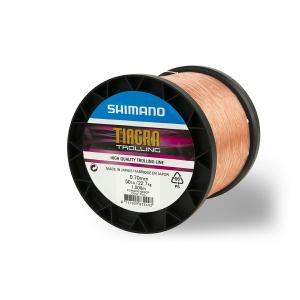
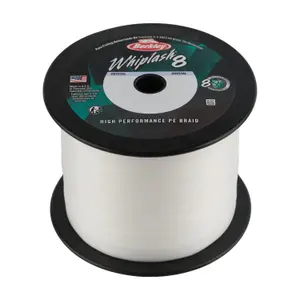
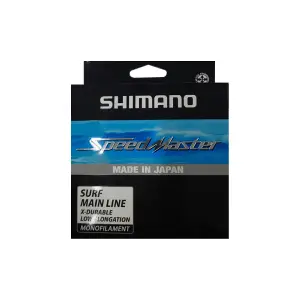
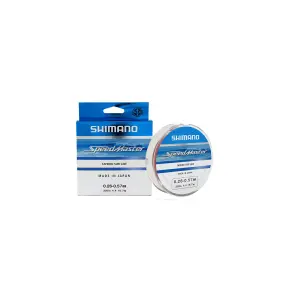
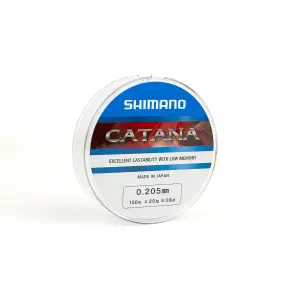
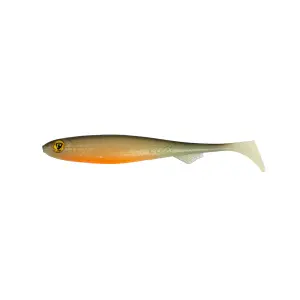
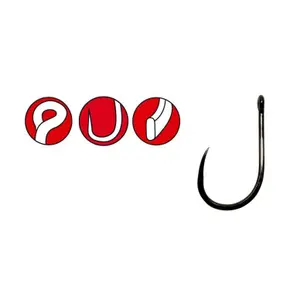
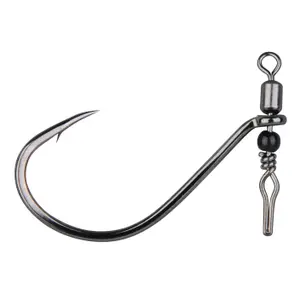
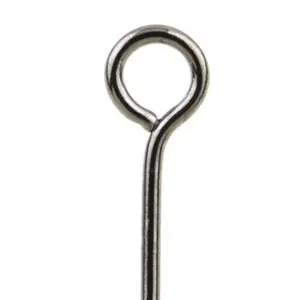

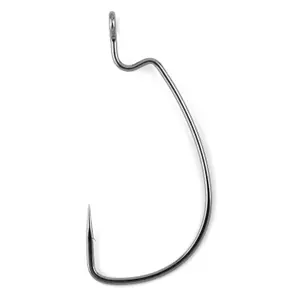
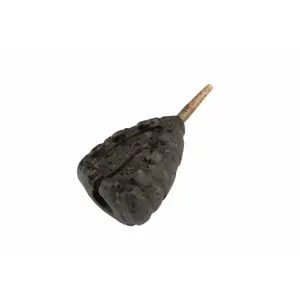
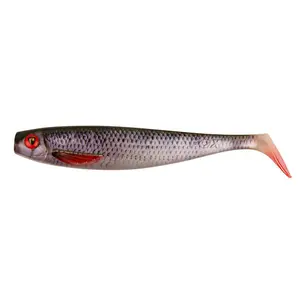
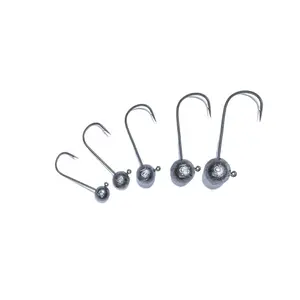
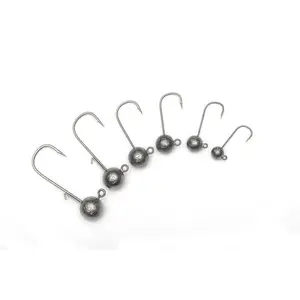
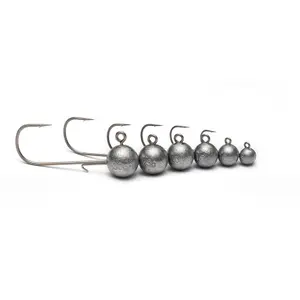
End of line fishing gear fills the tackle box of both carp anglers and match anglers: distance and inline leads Korda, Fox and Carp Spirit, hooks Gamakatsu, Korum and VMC with or without barbs, ready-made rigs, surface floats, baiting needles, nylon Cresta and fluorocarbon Korum for hooklengths.
Stock up your tackle box at a softer price.
Gamakatsu and VMC, two references in hooks
The hook is the smallest part of the line and yet the most crucial. Gamakatsu was born in 1955 in Nishiwaki, Japan, as a small manufacturer of handcrafted hooks before becoming a worldwide reference for the sharpness of its points: its ranges for match and feeder fishing sit alongside the Power Carp dedicated to carping. In France, VMC has been manufacturing hooks in Morvillars, in the Territoire de Belfort, since 1910 and has established itself as the world's leading manufacturer of treble hooks, used on lures for predator fishing. Korum completes the offer with hooks equipped with Quickstop, a small stopper that holds the bait without a knot.
The other clearance items
The fishing clearance also includes:
All clearance items are gathered on the fishing page.
Carp weights: shape, weight in ounces and rigging
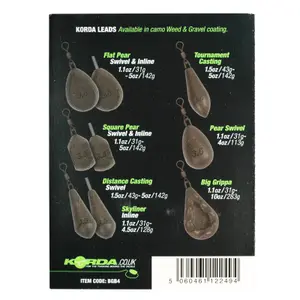
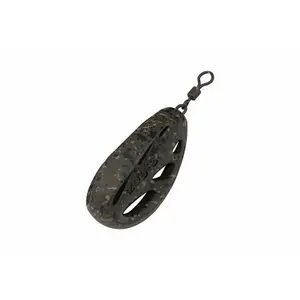
For carp, the weight is measured in ounces: one ounce is just over twenty-eight grams, and a static fishing weight commonly weighs between two and five ounces. Its shape determines its use. Distance weights, shaped like the Korda Distance Casting or the distance weight Fox, fly straight and far. Inline weights, threaded through the line like Fox Kling On or Horizon, transfer their weight directly to the hook to promote self-hooking. The flat river weight Carp Spirit holds in the current without rolling, and its camouflaged coating blends into the weeds. The paste bomb Fox has a bait cover that attracts fish around the rig.
Barbless rigs, hair rig and surface fishing
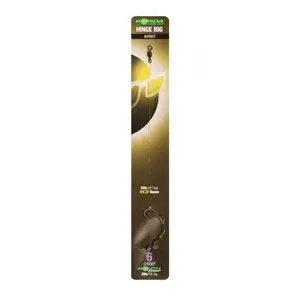
Barbless hooks, like the Gamakatsu Power Carp Barbless with a round or flattened eye, can be removed without tearing the fish's mouth: many carp fishing ponds mandate these for safe catch and release. The bait is not hooked onto the hook but mounted on a hair rig, a thin line that leaves it free; it's threaded using a needle like the Korum Quickstop, which also places the stopper that holds it. The hinge rig, articulated, presents a floating boilie just above the bottom. For carp feeding on the surface, the bombarda Korda Surface Float acts as a weight to cast a floating bait far.
Nylon, fluorocarbon and braid: choosing the line
Nylon remains the most versatile line: soft and elastic, it absorbs the fish's head shakes and forgives a poorly adjusted drag. The Cresta Visorate Intenz Power Mono, designed for match fishing, combines thin diameter and high strength, a sought balance for fine hooklinks. The fluorocarbon has a refraction index close to that of water, making it less visible; denser, it sinks quickly and resists abrasion from stones and mussels better. The Korum fluorocarbon from the Dropshot range serves as a hooklink for predator fishing with lures. Braid, with no elasticity, transmits every bite but is more visible: a fluorocarbon hooklink is added to it.
Frequently asked questions
What hook size for match fishing?
For match fishing, fine small hooks are used, often between size fourteen and size twenty-two, suitable for maggots, bloodworm or bread. The higher the number, the smaller the hook: it is chosen according to the bait and the size of the targeted fish.
When should you change your hooklink?
It should be replaced as soon as it has a rough area to the touch, a marked twist or a damaged knot, and systematically after a big fish or snag. Running the line between your lips or fingers allows you to feel any micro-nicks that are invisible to the eye.
What knot to tie on an eyelet hook?
The Palomar knot, simple and very strong, is suitable for both nylon and fluorocarbon. For carp fishing, the knot without knot fixes both the hook and the hair rig. The line is always moistened before tightening to avoid heating and weakening.
How to store your hooks and weights?
Hooks should be stored dry in a compartmentalized box, away from moisture that causes the point to rust. After a session in the rain, the box should be dried and weights should be kept separate from hooks, as they can dull the hooks upon contact.
What weight of lead to choose for long casting?
A heavier, shaped lead goes further, as long as the rod is designed for the cast: its power, indicated in pounds, fixes the suitable weight. Beyond that, you risk overloading the rod and losing accuracy as well as safety.






