
Hiking gear on clearance


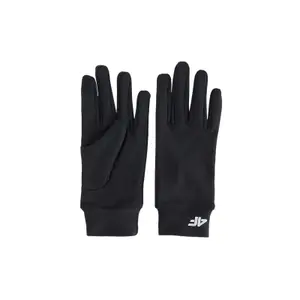


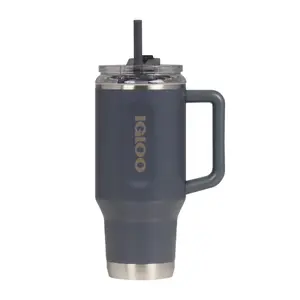
These end-of-line items include hiking gear that protects your head and hands while keeping water handy: bucket hats, UV-protective hats and caps Élémenterre, beanies Haglöfs and Montane, gloves Mammut and Lhotse, headbands Helly Hansen and Lhotse, insulated water bottles Élémenterre, aluminium water bottles O'Camp, and a Garmin strap support for bag. Lightweight accessories for everything from coastal trails to high mountain passes.
The little accessories that make all the difference, at reduced prices.
Bob, hat or cap: protecting your head and neck from the sun
When hiking, headwear is chosen according to the area to be protected. The hat with a wide brim, like the Élémenterre Alouette, covers the face, ears, and neck, three areas that are very exposed on a sunless trail. The bob, like the Eagle or the Gunsight reversible and waterproof, can be rolled up in a pocket and also provides protection from a shower. The cap Albatros, which is more ventilated, mainly protects the eyes and forehead and is suitable for fast walks. The UV-resistant models from Élémenterre use a fabric that filters ultraviolet rays, the intensity of which increases with altitude and with reflection off snow or a lake.
Other clearance items
The hiking clearance also includes:
All clearance items are gathered on the hiking page.
Insulated or aluminium bottle: drinking on the trail
The bottle is chosen based on the duration of the outing and the temperature. The insulated bottle Élémenterre Kaktus, with double walls, keeps water cool for hours in the height of summer and can also hold a hot drink in winter; it is, however, heavier. The aluminium bottle O'Camp, which is lighter, is suitable for those who weigh every gram in their bag and fill up their supply at the fountains along the path. In both cases, avoid leaving it in direct sunlight on the bag. In the mountains, drink in small, regular sips without waiting for thirst: dehydration happens faster with exertion and altitude.
Beanies, headbands and gloves for cool outings
In cold weather, the head and hands cool down first. The beanie, like the Haglöfs Malung, Aze, Outsiders or Vassi, crafted by the Swedish outdoor brand founded in 1914, or the Montane, keeps your head warm during breaks and at the summit. The headband, like the Helly Hansen Light or the Lhotse, covers the forehead and ears while allowing heat to escape during the ascent. For hands, the thin gloves Mammut Passion or Lhotse Light keep dexterity for handling trekking poles or unfolding a map, while the Lhotse waterproof ones take over in rain or snow.
GPS holder and accessory kit depending on the season
The holder Garmin attaches to the strap of the backpack and keeps the GPS at chest height: a quick glance is enough to check the route, altitude or remaining elevation gain, without stopping or taking the device out of a pocket. For the rest, the accessory kit varies with the season. In summer, a hat or UV bob and an insulated bottle come first. In lower mountain areas, a light beanie and a pair of thin gloves stay in the bag even in July, as the weather can change quickly above two thousand meters. In winter, waterproof headbands and gloves join the ensemble. These clearance items allow you to complete your bag at a lower cost.
Frequently asked questions
What equipment should I prepare for a first hike?
For a first outing, take at least a litre of water per person, a snack, a warm layer, sun protection for your head, and a small first aid kit. Inform a friend of your route and check the weather before leaving.
How do I clean an insulated bottle?
Rinse it after each outing and leave it to dry with the lid open to prevent smells. Once a week, a mixture of warm water and baking soda, scrubbed with a bottle brush, removes build-up; avoid the dishwasher, as it can damage the double walls.
What does a waterproof bob compare to a hood?
The waterproof bob protects your head from rain while allowing you to hear and turn your head freely, which the hood restricts. It also prevents sweating under a closed hood during a sustained ascent.
What size gloves should I choose for hiking?
Measure the circumference of your hand at the joints, excluding the thumb, and refer to the brand's size guide. The glove should leave a little room at the tip of the fingers: too tight and it hampers circulation, causing your fingers to cool down faster.
What is UV fabric?
UV fabric is tightly woven or treated to block most ultraviolet rays. Its effectiveness is measured by a UPF rating: a rating of fifty means that only one-fiftieth of the ultraviolet rays passes through the fabric.






