
Discounted hiking shoes












Starting at £183.44
£125.49


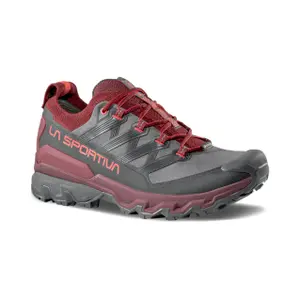
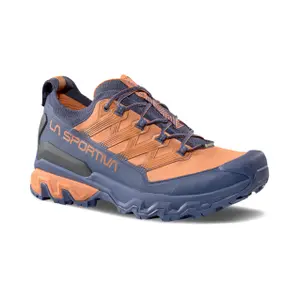
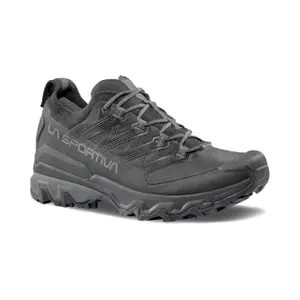
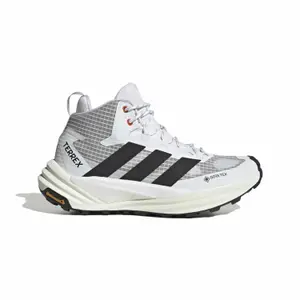
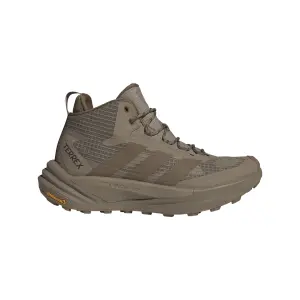
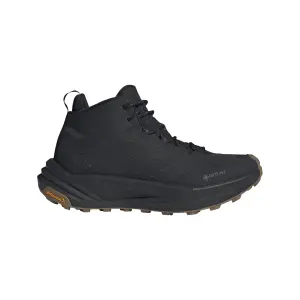
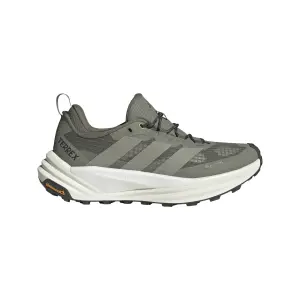
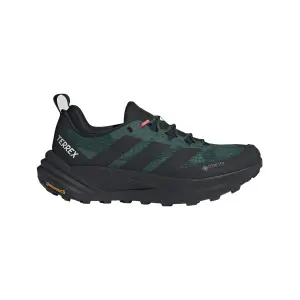
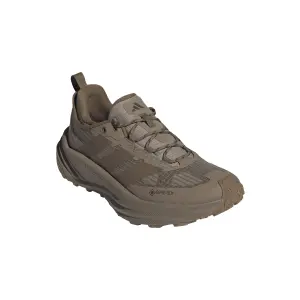
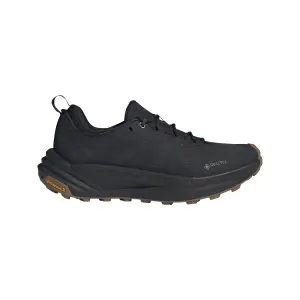
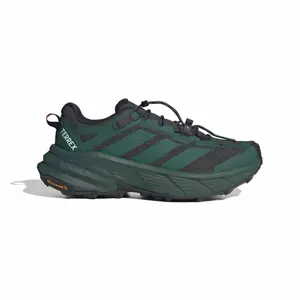
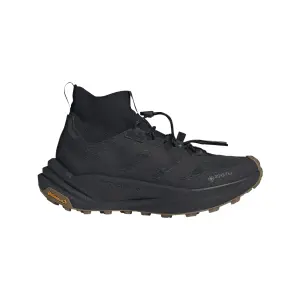
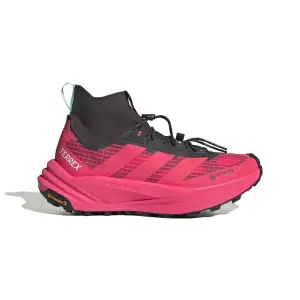
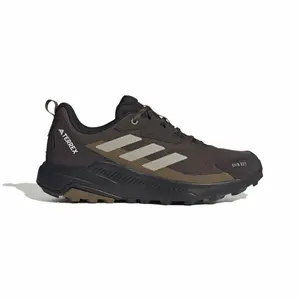
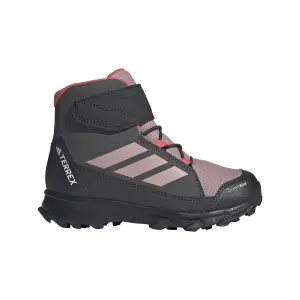
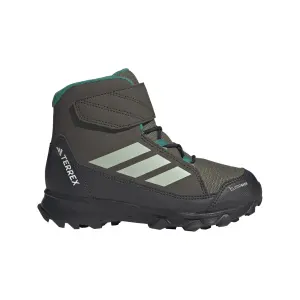
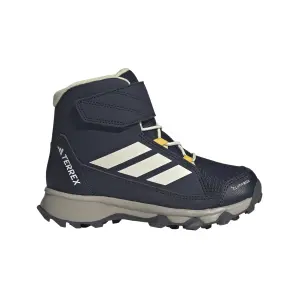
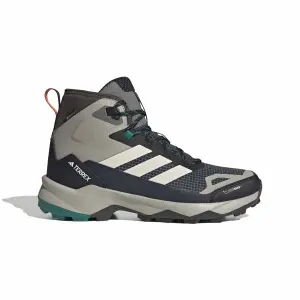
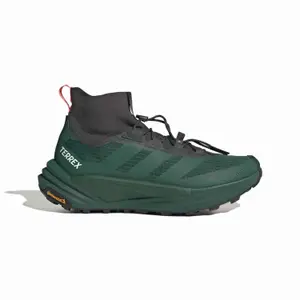
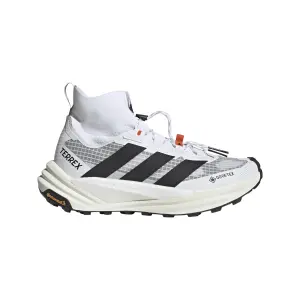
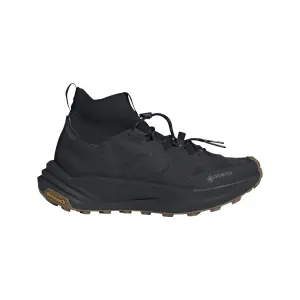
This page brings together hiking shoes on clearance, low or high, for day trips as well as for trekking. adidas Terrex is alongside the German Meindl, the Norwegian Helly Hansen, the British Regatta, the Danish Whistler, and the Italian Trezeta, with men's and women's versions, models with Gore-Tex membranes, and pairs insulated for winter.
A sturdy pair for the trails, at a more affordable price.
Low or high: adapting the shaft to the terrain
The height of the shaft mainly depends on the terrain and the weight of the bag. A low shoe, like the Meindl Kansas, the Terrex Skychaser, or the Terrex Eastrail in its low version, allows freedom of movement at the ankle and makes walking easier on marked paths, for day trips with a light bag. The high shaft, such as that of the adidas Terrex Free Hiker, wraps around the ankle: it limits twisting on rocky paths and steep descents, and supports the ankle when the bag exceeds ten kilos during longer hikes. Hikers with fragile ankles should opt for these, even on easier routes.
Other clearance items
The clearance sale for hiking also includes:
All clearance items can be found on the hiking page.
Gore-Tex membrane: when it is necessary
A Gore-Tex membrane, inserted between the shaft and the lining, blocks water while allowing moisture to escape through microscopic pores. It is essential for autumn and spring hikes, in dew, snowfields, and soggy meadows: the GTX versions of the Free Hiker, Skychaser, or Meindl Kansas are equipped with it. In the height of summer, the membrane becomes a drawback, as the foot heats up more, and water that enters from the top of the shaft does not escape. A shoe without a membrane, with a breathable mesh shaft, can dry out in just a few hours after fording a stream.
Sole and cushioning: what distinguishes the models
Underfoot, two elements distinguish the models. The outsole first: adidas equips most of its Terrex range with Continental rubber, developed with the tyre manufacturer, known for its grip on wet rock and damp slabs. The cushioning, next: the Boost foam in the Free Hiker returns energy with every step and makes walking soft on long stages, while a firmer midsole stabilizes the foot under a heavy bag. At Meindl, a Bavarian manufacturer whose records show they have been making shoes since 1683, the Kansas combines a suede shaft with precise lacing.
Wide feet, sensitive feet: finding your fit
Each brand has its own shape. Meindl shoes are known for a generous fit at the forefoot, appreciated by those with wide feet. The adidas Terrex models, coming from the running world, are more closely fitted, with a well-held heel. For sensitive feet, choose a lining without visible seams and a removable insole that can be replaced with an orthopaedic one. Fitting should be done at the end of the day, wearing your walking socks: with your foot pushed forward in the unlaced shoe, you should be able to slide a finger between your heel and the back of the shaft.
Frequently asked questions
Which hiking shoe for the GR20?
The GR20 involves rocky paths, granite slabs, and long stages with a loaded bag. A high shoe with a grippy sole and a stiff shaft protects the ankle, and a pair that is already broken in before the trip helps prevent blisters from the first stage.
Men's or women's hiking shoe: what's the difference?
Women's models are designed with a slimmer heel and reduced volume at the forefoot for generally narrower feet. A female hiker with wide feet can comfortably wear a men's model, which is roomier, in the equivalent size.
How to clean hiking shoes?
Remove the laces and insole, then brush the shaft and lugs with warm water, without using harsh soap or a washing machine. Dry them slowly at room temperature, away from the radiator, before applying a waterproofing product to the shaft.
Is it necessary to break in new hiking shoes?
Yes, particularly for leather models: some short walks will soften the shaft and reveal points of friction. Shoes with textile shafts, which are more flexible, require less breaking in, but a first short outing is still advisable.
What shoe for winter hiking?
For snow and cold, choose a high, waterproof shoe lined with insulation, such as the Terrex Free Hiker Climawarm or the Helly Hansen Garibaldi. A soft rubber also retains its grip in low temperatures.






