
Hiking luggage on clearance


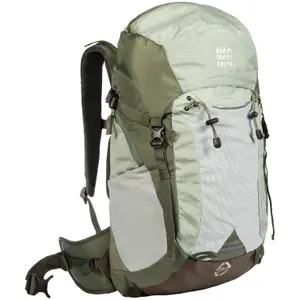
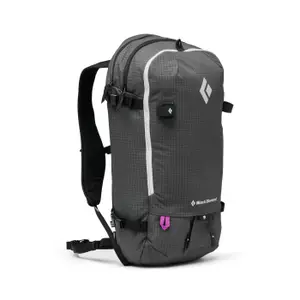
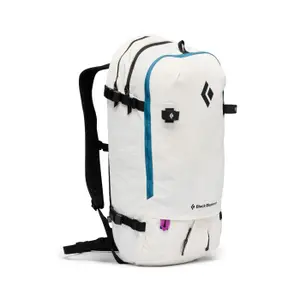
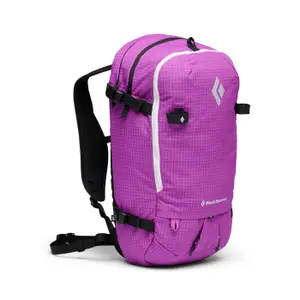
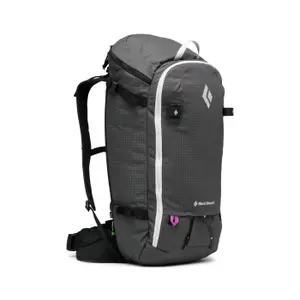
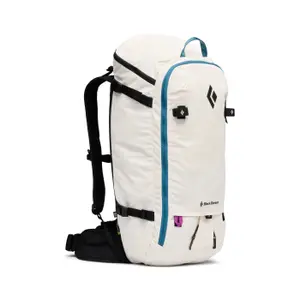


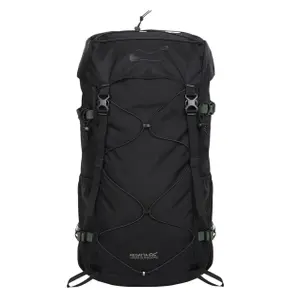


The hiking luggage in the clearance section brings together bags for walking on trails: lightweight daypacks, large-volume trek bags for chaining stages in a hut or while camping, as well as the accessories that go with them, like rain covers and water pouches. Everything you need to find a bag suited to the duration of your outing, your body type, and the weight you're planning to carry.
Prepare your hiking bag, for a more affordable price.
What volume of bag for the duration of the hike
The volume, expressed in litres, is the first criterion. For a day trip, a bag of twenty to thirty litres accommodates a rain jacket, a warm layer, a picnic and two litres of water. For multi-day trips in a refuge, where you sleep and eat on site, thirty-five to fifty litres are sufficient for spare clothes and a sleeping bag. In bivouac, with a tent, sleeping bag, mattress and stove, you need to count on fifty to seventy litres. It's better to have a bag that is a bit too big than one that is too small with gear hanging off, as dangling items can throw you off balance and get caught in branches.
The other clearance items
The hiking clearance also includes:
- Hiking shoes.
- Textiles.
- Equipment, poles and water bottles.
All the clearance items are gathered on the hiking page.
Back length, waist belt and load adjustments
A hiking bag is also chosen based on back length, measured from the prominent vertebra at the base of the neck to the top of the hips: trek models often have an adjustable back, while women's models have a shorter cut with narrower straps. The padded waist belt should sit on the hip bones, as it carries the bulk of the load. The adjustment follows a specific order: belt first, then straps, then load adjusters at the top of the straps, which bring the top of the bag closer to the shoulders, and finally the chest strap. When adjusted correctly, the bag moves with your body without pulling you back.
Ventilated back, pockets and useful compartments
The ventilated back, made of a mesh stretched over a frame, creates an air space between the back and the bag: it limits sweating in summer but keeps the load a bit away from the body. The flat back, padded with airy foams, fits closer to the back and is suitable for heavy loads. For storage, a front access or bottom access avoids having to empty everything to reach an item at the bottom, the waist pockets keep your phone and snacks handy, and the side mesh pockets hold a water bottle. The pole holders allow you to store your poles without removing the bag, and an internal compartment accommodates a hydration bladder with the tube emerging near the strap.
Rain cover, weight when empty and care of the bag
Most hiking bags are water-resistant but not waterproof: the seams and closures let water in during prolonged rainfall. The rain cover, usually stored in a pocket at the bottom of the bag, covers everything in seconds; for extra safety, you should store your sleeping bag and dry clothes in waterproof bags inside. The weight when empty also matters: a lightweight trek bag saves several hundred grams carried at each step, stage after stage. After the outing, empty the bag, brush it and let it air dry, open, before packing it away; hand washing in warm water, never machine washing, preserves the fabric coating.
Frequently asked questions
How to distribute the weight in your backpack?
Place heavy items, such as water, food or the stove, close to your back and at shoulder height. The sleeping bag and light items go at the bottom, while rain gear and a first aid kit should be on top for easy access.
Can you take a hiking bag in the airplane cabin?
A bag of twenty to forty litres often meets cabin baggage size requirements, but each airline sets its own limits: check height, width and depth before departure. Walking poles are generally not allowed in the cabin and are sent as checked luggage.
What bag for a child hiking?
A small bag of ten to twenty litres, with padded straps and a chest strap, is enough to carry their water bottle, a piece of clothing and a snack. Their load should not exceed about one tenth of their weight, with the adult carrying the rest.
Hydration bladder or water bottle: what to choose for hiking?
The hydration bladder allows you to drink frequently without stopping, thanks to its tube attached to the strap, but it is harder to clean. The water bottle, easy to fill and clean, allows you to measure what you drink; many hikers combine both.
What bag for winter hiking in the mountains?
In winter, check for straps to attach snowshoes or an ice axe, and a volume slightly larger for warm layers and the thermos. A sturdy fabric and a flat back, which keeps the load close to the body, are preferable in the snow.






