
Men's parkas on clearance
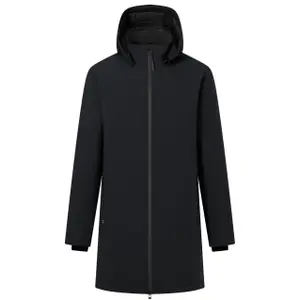
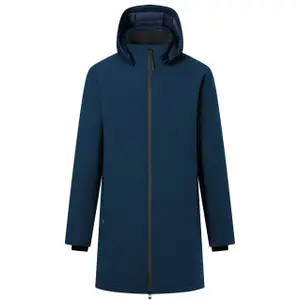
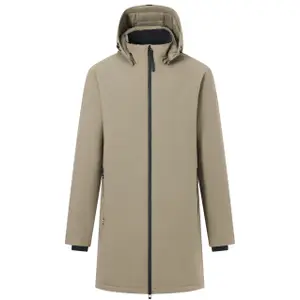


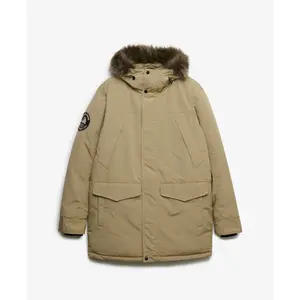
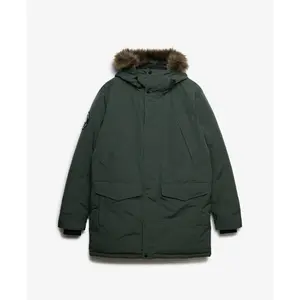


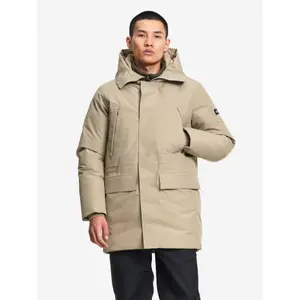
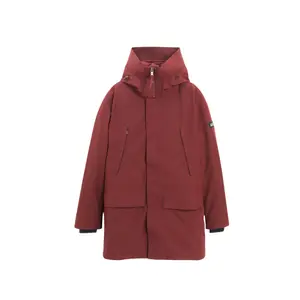


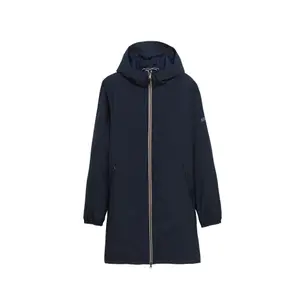
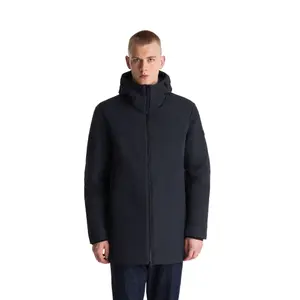


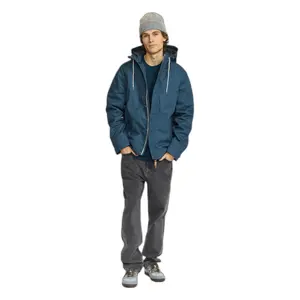


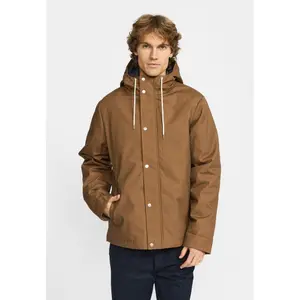


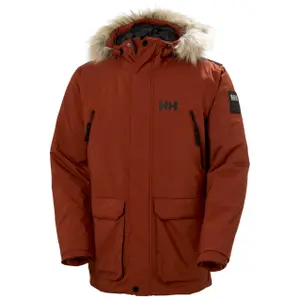
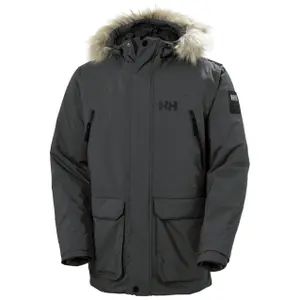


The men's parkas gathered here cover all ways to tackle winter: military fishtail Alpha Industries, Gore-Tex Aigle parkas, models Helly Hansen and Didriksons designed for rain, urban parkas Schott, Faguo or Selected, three-in-one Krakatau and heated parka Sixth June. End of line and replaced colours, they maintain the quality of the original models.
Tackle winter, at end of line.
From the American army to mods: the story of the fishtail parka
The fishtail parka has been produced by the American army since 1951, which is where its military name comes from. Designed for soldiers sent to Korea, it gets its name from its fishtail: two back panels that were tied around the thighs to block the wind. In the 1960s, British mods picked it up from surplus stores to protect their outfits while riding scooters, and it became a symbol of pop culture. Alpha Industries, a supplier to the American army since 1959, offers a faithful version with printing on the back. The Brandit parka also maintains its military silhouette.
Other end-of-line items
The men's lifestyle clearance also includes:
All end-of-line items are gathered on the lifestyle men's page.
Gore-Tex and taped seams: what makes a parka waterproof
A truly waterproof parka combines a waterproof fabric with taped seams. The Gore-Tex membrane of Aigle parkas, long with a hood or short, allows sweat vapor to escape while blocking rain. Aigle, founded in 1853 near Montargis by American Hiram Hutchinson, was already working with vulcanized rubber to protect against rain. Helly Hansen, established in 1877 in Norway with oiled canvas clothing for sailors, signs the Nordsjo and Reine. The Regatta Merzen and Didriksons Akilles, from the Swedish brand specializing in rain since 1913, complete this group of specialists.
Urban parka, three-in-one or heated: three answers to the cold
In the city, the parka should remain simple and match all outfits: the Schott models from the New York house founded in 1913, the Faguo Cheverny and Vernon, the Selected Troy and Bow, or the Le Temps des cerises parkas focus on clean lines. The three-in-one Krakatau Planck combines a shell and a removable lining: the lining alone is sufficient for autumn, the shell alone for rain, and both together in deep winter. The heated parka Sixth June integrates heating zones powered by a battery, sold separately and to be removed before any washing.
Length, insulation and hood: the parka for extreme cold
Against extreme cold, three criteria matter. The length first: a parka that falls to mid-thigh protects the lower back and hips, where a short cut lets in air. The insulation next: the down and feather insulation of the long Aigle parka offers the best warmth-to-weight ratio, while synthetic padding like the Sorona fiber filling of the Revolution, partly derived from plant resources, retains heat even when wet. The hood finally, lined or trimmed, protects the face from the wind. Tightened cuffs and a high collar complete the set, perfect for a Canadian winter or a stay in Lapland.
Frequently asked questions
Parka or puffer jacket for winter?
The parka, being longer and having a shell, protects better from wind and rain. The puffer jacket, lighter for the same warmth, is suitable for dry cold but is more sensitive to humidity if its fabric is not treated.
What size parka should a man choose?
Take your usual size and try the parka over a thick layer: you should be able to cross your arms without pulling on your back. The sleeves should cover the wrist when your arms are outstretched; otherwise, the cold will sneak in.
How to wash a parka without damaging its waterproofing?
Close zippers and fasteners, wash at thirty degrees with a gentle liquid detergent and no fabric softener. A water-repellent spray treatment, applied to the clean parka, will then restore its ability to repel water.
How to maintain the fur on a parka hood?
Detach the trim if it is removable and wash it by hand in cold water. Once dry, brush it gently against the fur to restore its fluffiness and original appearance.
How to store a parka during the summer?
Clean it before storing, then hang it on a wide hanger in a breathable cover. Avoid plastic that retains moisture, and do not compress insulated models to preserve their loft.






