
Motorbike maintenance on clearance
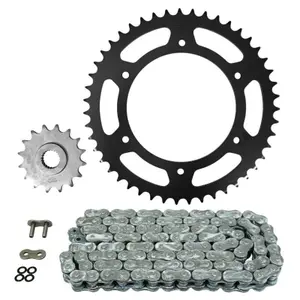

Starting at £49.11
£19.64
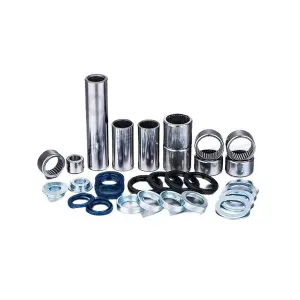
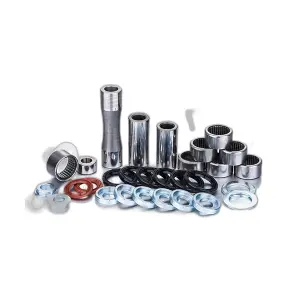
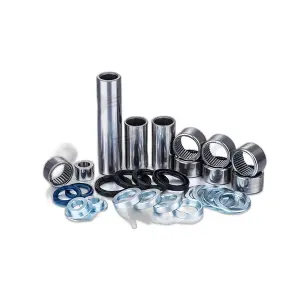
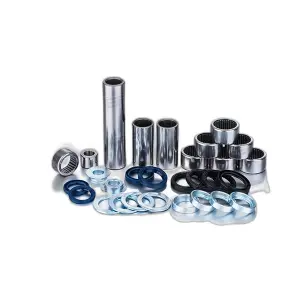
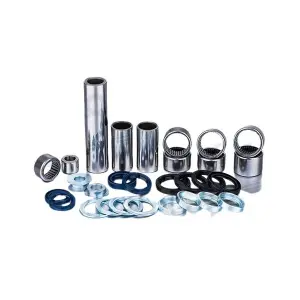
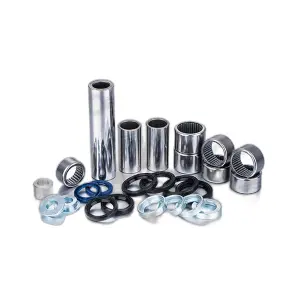
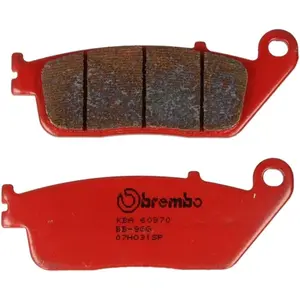
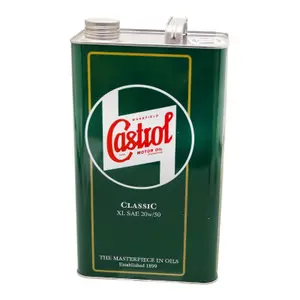
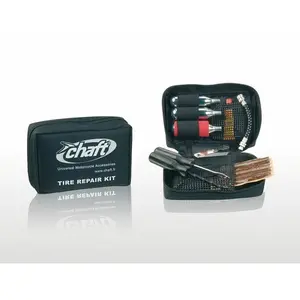
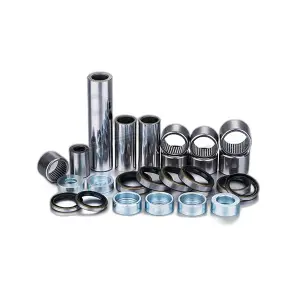
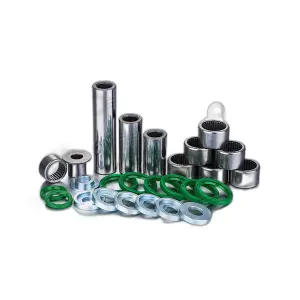
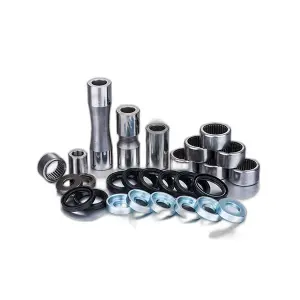
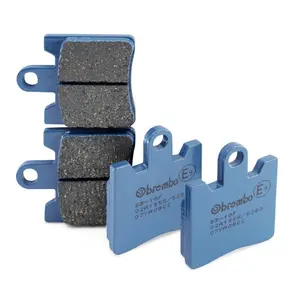
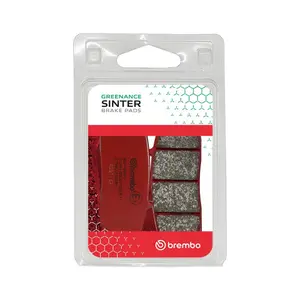
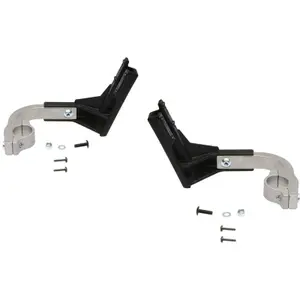
The clearance sale for motorcycle maintenance brings together end-of-line products for the workshop: engine oils Castrol and Putoline, fork oil Ipone, brake fluid and pads Brembo, pads Galfer, chain kits Supersprox, rust prevention Arexons, chargers Fulbat, tubeless kit Chaft, cleaners Motorex, S100 and Ducati, motorcycle lift Bihr. Everything you need to carry out regular maintenance between servicing.
Get through the winter and get back on the road in spring at a reduced price.
Motorcycle Oil: Viscosity and JASO Standard
A motorcycle oil is not interchangeable with a car oil: on most motorcycles, the same oil lubricates the engine, gearbox, and wet clutch. The JASO MA standard, and its MA2 variant with a higher friction coefficient, ensures that the clutch will not slip, whereas car oils with reduced friction may cause it to do so. The viscosity, indicated by a first number followed by the letter W and then a second number, shows the fluidity at cold and the performance at hot: one should follow the maintenance manual for this. Fully synthetic oils from Castrol or Putoline handle high revs and the heat of sporty riding better.
The Other End of Series
The motorcycle clearance also includes:
All end-of-series items are gathered on the motorcycle page.
Brake Fluid and Pads: Monitor Wear
The brake fluid of type DOT 4, like that from Brembo, absorbs moisture from the air over time: its boiling point drops and the lever becomes spongy after hard braking. Manufacturers generally recommend replacing it every two years, regardless of the mileage. The pads can be checked by opening the caliper: when only one to two millimetres of material remains, it’s time to change them. Sintered pads, such as Brembo Sinter, combine metal particles and withstand high temperatures. Always replace the pads of the same caliper together, and those of the two front calipers on a double disc motorcycle.
Chain, Cleaning, and Rust Protection
The chain should be lubed every five hundred to a thousand kilometres or after every ride in the rain; check its tension according to the arrow indicated by the manufacturer. When it stretches or the teeth of the sprocket take on a wavy shape, replace the entire chain kit, including chain, sprocket, and rear wheel, like those from Supersprox, because a new part wears quickly when in contact with old parts. For cleaning, Motorex and S100 products remove grease and insects; on matte paint, avoid waxes and polishes, which make it shine in spots. The rust inhibitor Arexons Ferox then protects exposed metal parts.
Battery, Punctures, and Winter Storage
A motorcycle that is ridden little will discharge its battery, especially in winter: a maintenance charger, like those from Fulbat, keeps it fully charged without overcharging, switching automatically to maintenance mode. For winter storage, also top it up, grease the chain and relieve the tires with a motorcycle lift Bihr, which avoids flat spots. On the road, the tubeless repair kit Chaft, with its plugs and drilling tool, can fix a puncture in minutes: the repair remains temporary until checked by a professional. Off-road bikes and those with inner tubes rather require tire levers and a spare inner tube, like those from Michelin or Vee Rubber.
Frequently Asked Questions
How to care for a motorcycle leather jacket?
Dust the leather with a damp cloth, then apply a specific cleaner like that from S100, before nourishing the leather with a suitable lotion or cream. Wet leather should dry at room temperature, never near a radiator which makes it stiff.
What checks should you do yourself before each motorcycle outing?
A quick check of the motorcycle is enough: tyre pressure and condition, oil level in the sight glass, functioning lights and indicators, chain tension, and brake response. These checks take just a few minutes and prevent most breakdowns on the road.
How to clean a motorcycle helmet visor?
First, soften the insects with a damp cloth left for a few minutes, then wipe with a clean microfiber or a special wipe like those from S100. Household products and paper towels can damage the anti-fog coating and transparency.
What maintenance is required for a 125cc motorcycle?
A small engine follows the same schedule as a larger motorcycle: oil changes according to the manual, greasing and tensioning the chain, checking pads and tyres. Mainly used in the city for short journeys, it often runs cold, justifying more frequent oil changes.
When to change a motorcycle's fork oil?
The maintenance manual indicates the frequency, often spaced out more than for an engine oil change. A fork that dives too much during braking, bounces, or leaves an oil film on the tubes indicates worn oil or a seal needing replacement, using oil of the recommended viscosity like those from Ipone.






