
Rugby equipment on clearance
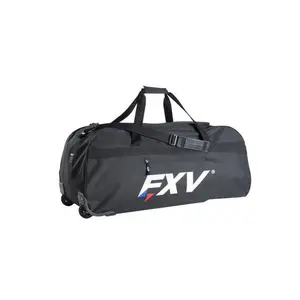
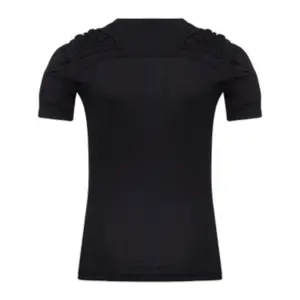
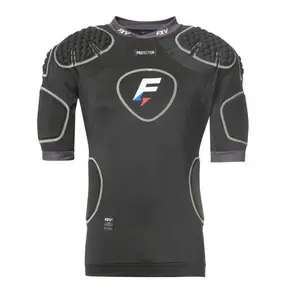

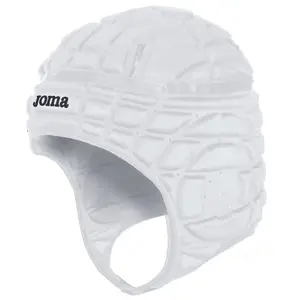
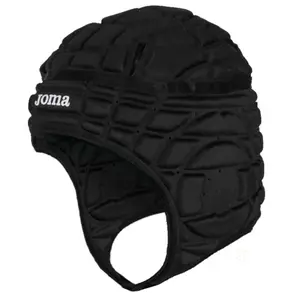

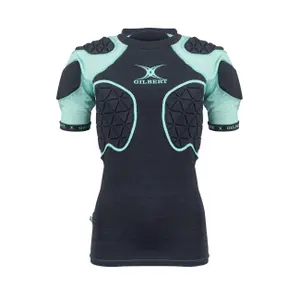
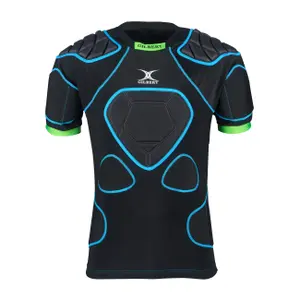
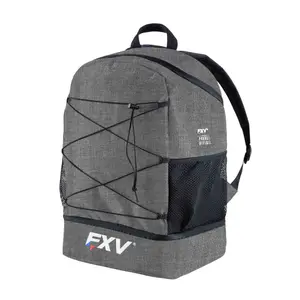
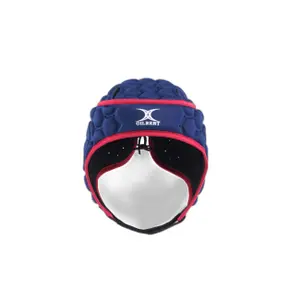


The clearance sale of rugby equipment brings together player protections from the end of the range: helmets Gilbert, Canterbury, adidas and Joma, for adults and children, shoulder pads Gilbert, Canterbury and Force XV, mouthguards Gilbert, Opro and Tremblay, first aid bag Gilbert for the pitch side and trolley bag Force XV for club equipment. From rugby school to seniors.
Protection in contact, at a reduced price.
Rugby helmet: what it really protects
The rugby helmet, or scrum cap, mainly protects the ears from friction in rucks and the scalp from cuts and superficial impacts. It does not prevent concussions: a dazed player always leaves the field, helmet or not. World Rugby limits its foam to one centimetre in thickness and low density, and a certification label sewn into the helmet confirms its compliance. Gilbert, Canterbury Raze, adidas, and Joma helmets are available in adult and children's sizes. A well-fitted helmet is adjusted by the chin strap and, depending on the model, by lacing or a Velcro strip at the back, without crushing the ears.
Other clearance items
The rugby clearance sale also includes:
All clearance items are gathered on the rugby page.
Shoulder pads: absorbing tackles
The shoulder pads in rugby are padded body shirts for the shoulders and collarbones, sometimes for the sternum and back, depending on the model. World Rugby regulations limit their padding to one centimetre in thickness, made of soft foam: it is not armor, but a layer that reduces the repeated impacts from tackles and rucks. The Canterbury Pro and Elite, made by the brand founded in New Zealand in 1904, are worn under the jersey like a fitted underlayer. The Gilbert and Force XV have a children's version, sized for young players who are learning about contact.
Mouthguards: the essential protection
The mouthguard protects the teeth, lips, and jaw during contacts, and it is highly recommended for all players from rugby school onwards. The Gilbert Xbrace double density combines a firm outer shell and a softer inner layer that molds to the teeth after being placed in hot water. Opro, founded in 1997 by a British dentist, has made mouthguards its specialty and offers a children's version. The simple Tremblay, which also needs to be molded, is handy at rugby school. It should be rinsed in cold water after each match and stored in an aerated box, never in direct sunlight.
First aid bag and rolling kit for the club
On the sidelines, the coach keeps a well-organized first aid bag handy. The one from Gilbert, a brand that was born in 1823 in the town of Rugby, close to the school where the game originated, holds compression bandages, dressings, instant cold packs, disinfectant, and scissors. Its contents are checked before each match and anything used is replaced immediately. The rolling bag Force XV carries team jerseys, balls, and cones without carrying heavy loads, from the changing room to the bus. These bags are sorted by category and stay at the club's storage room between weekends.
Frequently asked questions
Do you need to wear a scrum cap to play in a match?
No, the soft helmet remains optional in France, as well as in international competitions. It must, however, have the World Rugby certification label to be accepted, and the referee can refuse non-compliant equipment.
What equipment for a child starting rugby?
Moulded studs, shorts, long socks, and a mouthguard are enough for the first sessions. The soft helmet and a lightweight shoulder pad then reassure children who are anxious about contact.
How do you mold a mouthguard?
Submerge it for a few seconds in very hot water, according to the instructions, allow it to cool for a moment, then place it on the upper teeth by biting and sucking to expel the air. Rinse it in cold water to set the impression.
What size shoulder pad should I choose?
Take your usual size while checking the chest measurement on the brand's guide: the shoulder pad should fit close to the body without restricting breathing. If it is too loose, it slips, and the pads are no longer in front of the shoulders.
How do you maintain a rugby helmet?
Wash it by hand in warm soapy water, rinse, and then leave it to dry in the open air, far from a radiator that hardens the foams. Replace it as soon as the pads become compressed or the seams start to come apart.






