
Rugby clearance, clubs and nations
The rugby clearance brings together end-of-line items in the colours of clubs and nations: jerseys from Racing 92, Stade Français and Union Bordeaux-Bègles, hoodies, jackets and club puffers, jerseys from South Africa, Scotland or France, kits from Cardiff and the Glasgow Warriors. For the Top 14 supporter as well as the international rugby fan.
Support your team or gear up for the pitch, all at a friendlier price.




Racing 92 and Stade Français: two clubs from Paris
The Racing 92 descends from the rugby section of the Racing Club de France, a multi-sport club founded in 1882; they play in sky blue and white, with horizontal hoops, and host their matches at Paris La Défense Arena, an indoor venue opened in 2017 in Nanterre. Their neighbour, Stade Français, established in 1883, plays at the Jean-Bouin stadium, in the sixteenth arrondissement, and is known for its bold, pink and floral jerseys. Both clubs contested the very first French championship final, in 1892, officiated by Pierre de Coubertin. Their home, away, and third kits, in supporter or authentic versions, extend these signatures.
Clearance sale rugby
The rugby clearance sale is organised by type:
- Clubs, Top 14 and foreign clubs.
- Nations.
- Clothing.
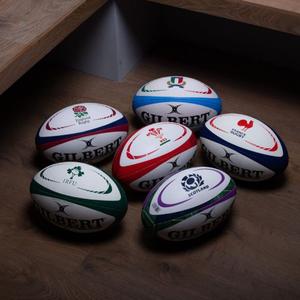
- Balls.
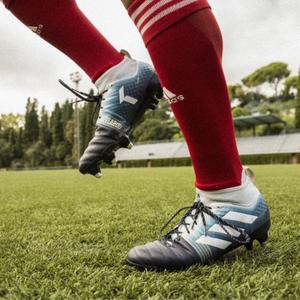
- Shoes.
- Equipment, protective gear and accessories.
Union Bordeaux-Bègles, Cardiff, Glasgow: club outfits
The Union Bordeaux-Bègles was founded in 2006 from the merging of Stade Bordelais and the Club athlétique Bordeaux-Bègles, two historic clubs from Girondin rugby, and plays at the Chaban-Delmas stadium. Its club range goes beyond the jersey: sweatshirts, tracksuits, and down jackets from the official outfit are worn in the stands on winter evenings. On the Celtic side, Cardiff offers a waterproof jacket and a quarter-zip top, designed for training in the Welsh rain, while the Glasgow Warriors have travel attire, sweatshirts, and long-sleeve shirts, worn by players during travels. The Racing 92 hoodie completes these outfits off the pitch.
Other sports on clearance
The clearance is also available for other sports: football, running, lifestyle, bikes, motorbike, handball, basketball, equestrian, camping, on the clearance page.
National jerseys: Scotland, South Africa, England
Regarding selections, each national jersey carries an emblem. Scotland sports the thistle on its navy blue, a colour it has worn since the first international match in history, played against England in 1871 in Edinburgh. England plays in white adorned with the red rose; its authentic jersey mirrors the players' cut, made from stretchy fabric that clings to the body, offering little grip to the opponent. South Africa defends the green and gold of the springbok, with an away jersey, sweatshirts with crew necks or half-zips, and a T-shirt that extends the outfit beyond the match. The home jersey of France completes these selections.
Frequently asked questions
How to wash a printed rugby jersey?
Wash it inside out, at a maximum of thirty degrees, without fabric softener that can ruin the technical fibre. Dry it flat or on a hanger, never in a tumble dryer, and don’t iron directly on the print or the heat-sealed badges.
Studs or moulded: what to choose in rugby?
Studs, which are longer and interchangeable, are preferred on heavy pitches and by forwards pushing in scrums. Moulded studs, which are more numerous and shorter, distribute pressure better on dry or synthetic surfaces, and are suitable for backs.
Why is Racing 92 called that?
The name recalls the Racing Club de France, a Parisian multi-sport club from which the rugby section originated, and the number of Hauts-de-Seine, where the club is based. It adopted this name in 2015, after previously being called Racing Métro 92.
What is the difference between a home and away jersey?
The home jersey reflects the club or nation’s historical colours. The away jersey, in a contrasting colour, avoids confusion when the opponent wears similar shades, and some clubs add a third jersey, known as third.
What size rugby ball for a child?
Size three is suitable for children up to around nine years old, size four for players aged ten to fourteen, and size five, that of adults, from the age of fifteen. A ball that is too big can prevent the child from holding it properly and successfully making passes.






