
Discounted rugby shoes


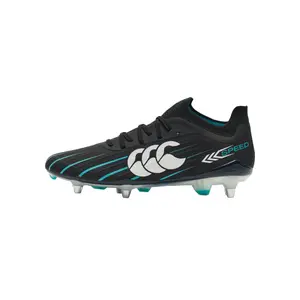
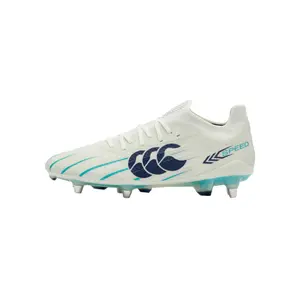
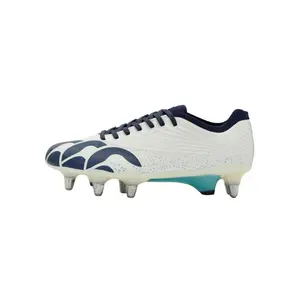

The clearance rugby shoes brings together end of lines for forwards as well as backs: adidas Kakari and Adizero RS15, Gilbert Torq, including a women's version, and Gilbert X20, Mizuno Waitangi in leather and Morelia Neo, Canterbury Stampede. Cleated shoes for wet winter pitches, to choose according to position, size, and playing surface.
Grip the pitch at a reduced price.
Forwards or backs: the shoe according to the position
Forwards, props, hookers, second and back row players look for grip and stability in scrums and rucks: models with eight studs and reinforced uppers, such as the adidas Kakari or the Gilbert X20 Power, distribute pressure across the sole. Backs prefer lightness and acceleration: the adidas Adizero RS15, with a slim upper, is designed for quick foot placements of wingers and centres. Half-backs and full-backs, who play a lot with their feet, look for a good ball feel, which is provided by a soft leather upper like that of the Mizuno Waitangi. Back row players, who are in between, choose based on their style of play.
The other clearance items
Rugby clearance sales also include:
All clearance items are gathered on the rugby page.
Screwed studs: length and regulations
Screwed studs on SG models, for soft ground, can be changed depending on the condition of the pitch: long on a heavy and muddy surface, where they dig in deeply for scrums, and shorter when the ground hardens, to prevent ankle and knee injuries. The World Rugby regulations limit their length to twenty-one millimetres and require rounded edges, without burrs or sharp points: a damaged stud can result in a player being rejected during equipment checks before the match. They are screwed back in with the appropriate tool, after cleaning the threading, and a spare set should be kept in the bag.
Women's rugby shoes: a slimmer fit
Women's rugby has shoes built on a specific last: the Gilbert Torq in the women's version uses the studded sole from the mixed model but with a narrower fit at the heel and forefoot. The foot no longer floats in the upper, which secures footing during contacts and limits blisters. Players with narrow feet benefit significantly from the support. It is better to measure foot length in centimetres rather than using European sizes, as fits can vary from one brand to another, and try the shoes on with rugby socks, which are thicker than regular socks, to avoid feeling cramped on match day.
Leather or synthetic: maintaining your pair
The leather of the Mizuno Waitangi moulds to the foot over matches and offers a soft feel; it requires cleaning with lukewarm water after every muddy game, followed by a grease or balm to keep it waterproof and prevent cracking. Synthetic uppers, like those from adidas or the Canterbury Stampede, absorb less water, maintain their weight in the rain and can be cleaned with a brush. In both cases, stuff the shoes with newspaper and let them dry away from a radiator, which can stiffen the upper and cause the sole to come loose. Removing mud around the studs also extends the life of the threading.
Frequently asked questions
What rugby shoes should a child who is starting wear?
Young players often start with moulded studs, which are lighter and require no maintenance, suitable for the dry pitches of rugby schools. Screwed studs become useful when the child plays on heavier pitches, with a pair that fits them perfectly.
What is a hybrid rugby shoe?
A hybrid sole combines screwed studs under the forefoot or heel and moulded studs elsewhere. It provides good grip on wet ground while remaining comfortable when the ground dries, a versatile solution for those who only have one pair.
What does SG mean on a studded sole?
SG stands for soft ground: the sole has long, few screwed studs that penetrate a soft pitch. It is the standard for winter in France, when the fields are heavy and waterlogged.
How do you choose the right size for rugby shoes?
Measure your foot in centimetres at the end of the day, when it is slightly swollen, and leave about half a centimetre in front of the toes. The heel should fit snugly because a foot that floats loses support during pushes.
How many studs should a rugby shoe have?
Model for forwards often have eight studs, for maximum grip in scrums and mauls. Back shoes have six, or a mix of screwed and moulded studs, which are lighter and promote speed and changes of foot position.






