
Women's and girls' jerseys on clearance
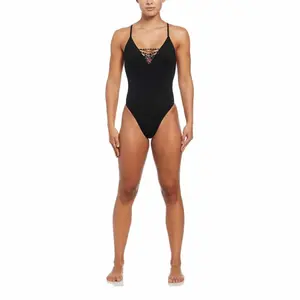
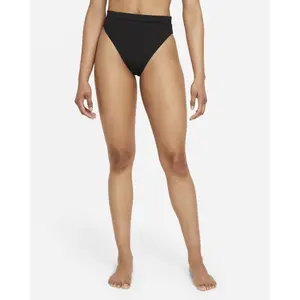


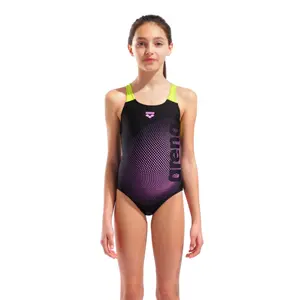


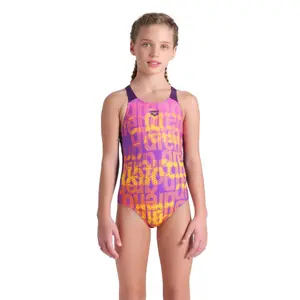


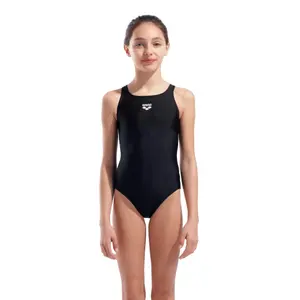


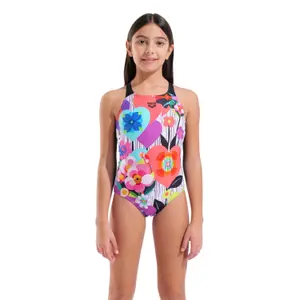


This selection brings together some women's swimming costumes on clearance, with a strong focus on young swimmers: training one-piece suits from Arena, Speedo, and Nike designed for laps, featuring racerback cuts, V-back or thin straps, and a few bikini sets from Protest and Hummel for swimming. Fabrics designed to withstand the chlorine from club sessions.
Swim at the club or at the beach, for a more affordable price.
Polyester or elastane: chlorine resistance
The lifespan of a swimsuit primarily depends on its material. Chlorine attacks elastane: a swimsuit with a lot of it fits perfectly at first, then stretches, loses its colour, and becomes transparent after a few months of regular use. Training fabrics, therefore, rely on polyester, which feels firmer but is much more durable. The Nike Hydrastrong combines recycled polyester with a low amount of elastic fibre, while the Speedo Eco+ Medalist follows the spirit of the Endurance+ range, designed to withstand chlorine, with some yarn made from recycled plastic bottles.
Other end-of-line items
Swim clearance also includes:
- Men's swimsuits.
- Goggles.
- Accessories, swim caps, boards and pull buoys.
All end-of-line items are gathered on the swimming page.
Racerback, V-back or thin straps
The cut of the back determines shoulder freedom and bust support. The racerback, very cut out between the shoulder blades, like on the Arena Pro Back or the Speedo Medalist, fully frees the arms for freestyle and butterfly: this is the cut used by competitive swimmers. The V-back of the Arena V Back or Arena Pinwheel closes the back a little more and reassures those who want a swimsuit that doesn’t move during turns. The model with thin straps from Speedo, which covers more at the back, is suitable for aqua aerobics and casual swimming, while the muscle placement swimsuit from Speedo highlights the silhouette with its graphic cuts.
What size swimsuit for a young swimmer
A girl's swimsuit is chosen based on the size in centimetres or the age indicated by each brand, making sure to check the length of the bust: if it's too short, it pulls on the shoulders; if it's too long, it gapes and fills with water. It should be much more fitted than a beach swimsuit, as the fabric stretches slightly when wet. Between two sizes, a competitive swimmer will take the smaller size, while a beginner child will choose the larger one, easier to put on alone in the changing room. The two-piece Protest and Hummel suits, and the top from Nike Essential, are reserved for water games and the beach: they don’t stay in place during dives.
Arena, Speedo, Nike: three names in swimming
The three brands in this selection each have a story related to competition. Speedo, founded in Sydney in 1914, has dressed generations of Olympic swimmers and remains the reference for training swimsuits. Arena was established in 1973 by Horst Dassler, an heir to a prominent German sporting goods family, to offer lighter racing outfits; its Team Challenge, Dynamo, Kikko or Light Drop models feature various pool cuts in many patterns. Nike Swim brings a more sporty approach to everyday wear, with the Hydrastrong for endurance and the Retro Flow in bright colours for stylish swimming.
Frequently asked questions
What’s the difference between a training swimsuit and a competition swimsuit?
The training swimsuit is designed to last through hundreds of lengths in chlorine. The competition swimsuit, very compressive and often with legs, reduces drag on race day but wears out quickly and is difficult to put on.
How long does a swimsuit last?
With three sessions per week, a swimsuit rich in elastane lasts a few months, while a polyester swimsuit often lasts over a year. A fabric that becomes transparent or doesn’t return to shape signals that it needs replacing.
Can a swimsuit be machine washed?
It’s better to wash it by hand, in cold water with a mild soap, after an initial rinse right after leaving the pool. The machine, spinning, and tumble drying damage the elastic fibres and dull the patterns.
Are there large size swimsuits available?
Yes, swim brands offer their training swimsuits in large sizes, with wider straps and more coverage in the back for good bust support. A model with reinforced front lining provides extra support.
Who is the shorty swimsuit for?
The shorty, or legged swimsuit, covers the upper thighs. It appeals to swimmers who want a more covering outfit without sacrificing glide, and its shape, close to racing suits, makes it popular in competitions.






