
Volleyball protections in clearance
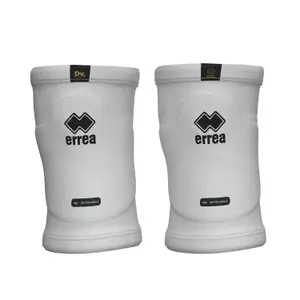
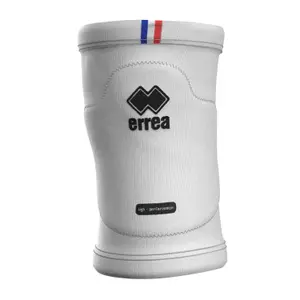
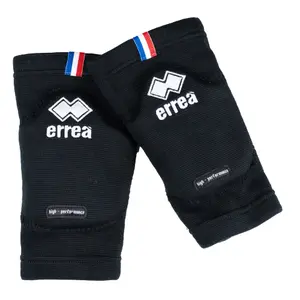


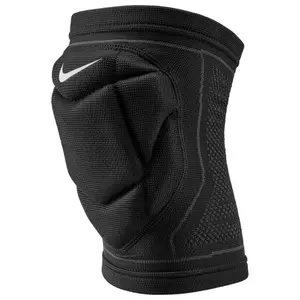
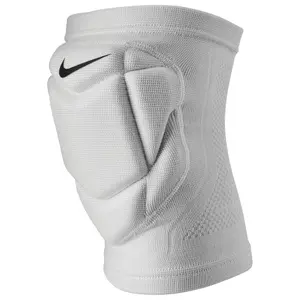


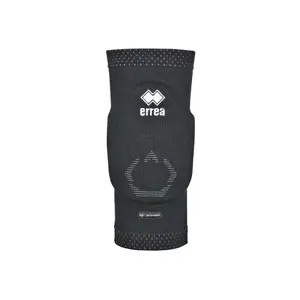

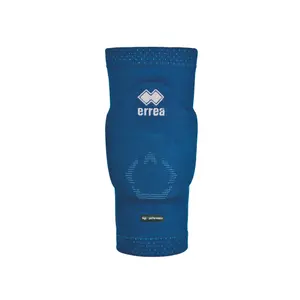


The clearance sale of volleyball knee pads features end-of-line knee pads for defending and diving indoors: Errea Tokyo, including versions in the colours of the French team, Mizuno VS and Team, Asics, Nike Streak and Essential, adidas Elite, McDavid Flex-Force, and Piu Adrenalina. Thick cushions for the libero or slim models for the attacker, everyone can find the right protection for their position.
Defend without holding back, at a reduced price.
A knee pad suited for every position
The libero and the outside hitters dive and slide constantly: they choose a knee pad with a thick cushion, like the Mizuno VS, known for its shock absorption, or the Errea Tokyo. The middle blockers and the opposites, who jump more and defend less on the floor, prefer a thin and lightweight model, like the Nike Essential or the Asics Basic, which doesn’t hinder bending or jumping. The setter, who often needs to kneel to save a low ball, is somewhere in between the two. The libero position, introduced by the FIVB in 1998, is dedicated to defence and reception, hence the need for enhanced protection.
Other clearance items
The volleyball clearance also includes:
All clearance items are gathered on the volleyball page.
Foam, sleeve and support: what distinguishes the models
A volley knee pad combines an sleeve made of stretch fabric, often polyester and elastane, and a foam cushion placed in front of the kneecap. The density of the foam makes a difference: a thick and soft foam absorbs the impact of a dive, while a thin and firm foam protects without adding weight. The back of the sleeve, perforated or made of finer mesh on many models, prevents the knee pad from bunching up behind the knee and reduces sweating. Good support is recognized by a knee pad that stays in place during jumps and receptions on the floor without compressing blood circulation.
Arm sleeves, elbow pads and finger strapping
Beyond the knees, other protective gear accompanies the volleyball player. Arm sleeves cover the contact area during reception: they reduce redness from powerful serves and protect against burns on the floor during dives. Padded elbow pads are used by defenders who roll and slide to the side. For the fingers, strapping with non-elastic adhesive tape stabilizes a fragile joint; blockers and setters often use it to prevent sprains when contacting the ball. These protections complement a thorough warm-up of the shoulders, wrists, and fingers, but do not replace it.
Size, washing and lifespan of a knee pad
The size of a knee pad is measured at the knee circumference, with the leg slightly bent, or at the thigh circumference a few centimetres above the kneecap, according to the brand's guide. If too wide, it slips down to the shin on the first dive; if too tight, it leaves marks on the skin and hinders venous return. It should be after a few training sessions, either in a machine at thirty degrees in a mesh bag or by hand, and then laid flat to dry, away from the radiator, to preserve the foam and the elastic. A knee pad should be replaced when the foam has compressed, when the sleeve has loosened, or when it twists around the leg during jumps.
Frequently asked questions
Do you need knee pads for beach-volley?
No: the sand cushions falls and would creep under the foam causing irritation. Beach-volley players play with bare knees, while in the gym, on hardwood or synthetic surfaces, knee pads remain essential for defence.
Do knee pads prevent knee injuries?
They protect the kneecap from impacts and burns on the floor, but they do not prevent sprains or tendinitis. The diving and rolling technique, learned during training, remains the best protection against flat falls.
Should you protect both knees?
Yes, because in defence the player can land on either knee. Many models are sold in pairs, like the Mizuno Team, to ensure the same protection on both sides.
What protection for a child starting volleyball?
A pair of lightweight knee pads is enough to learn dives without fear on the gym floor. Choose them in the right size rather than too large, so they don’t slide down during the first exercises on the floor.
How do you stop a knee pad from slipping?
Choose the right size, wear it over dry skin, without cream, and center the cushion well on the kneecap. If it slides down while playing, the elastic is probably loose and the knee pad needs to be replaced.






