
Winter sports accessories on clearance


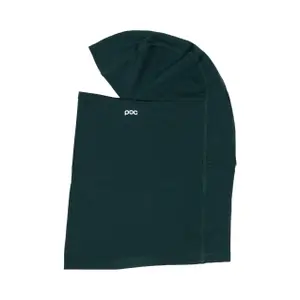


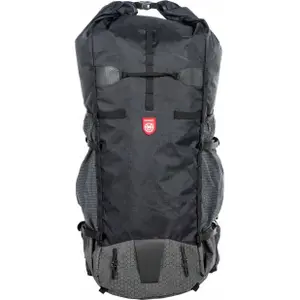
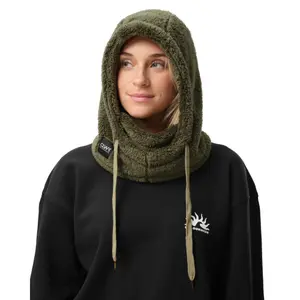
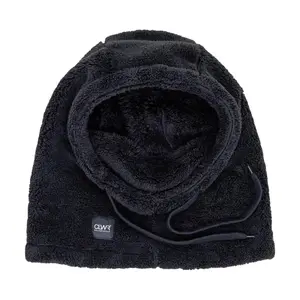

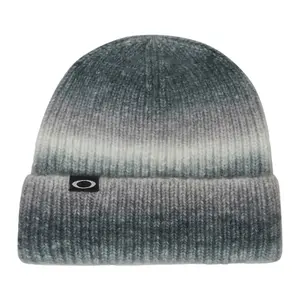
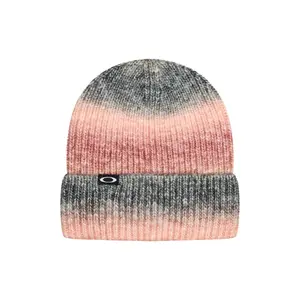
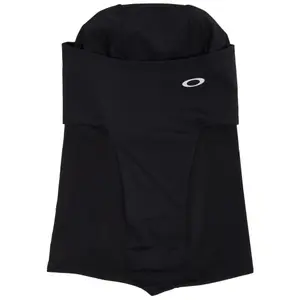





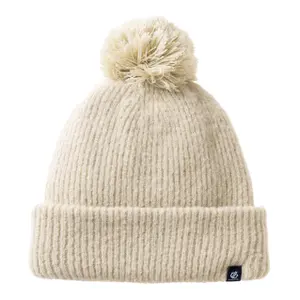
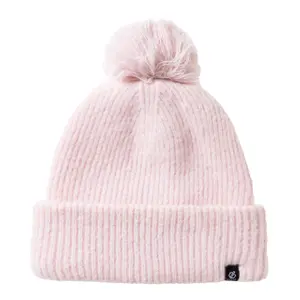


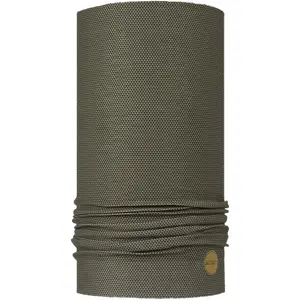


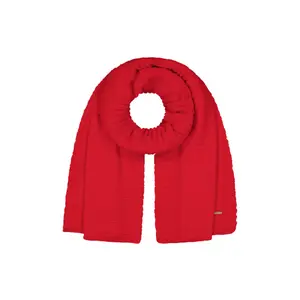


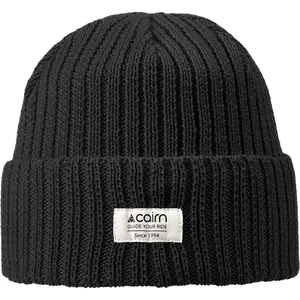


The clearance sale of winter sports accessories brings together end-of-line items for head and equipment protection: beanies Cairn, Peak Mountain, Obermeyer and Reima, balaclavas POC in merino, Kilpi and Cairn, fleece neck warmers, ski bags Head, a storage bag Rossignol for four pairs and a travel bag La Sportiva Nomad. For the slopes, cross-country skiing and resort roads.
Keeping your head warm and your skis protected, at a reduced price.
Balaclava under the helmet: the anti-cold layer
Under a ski helmet, the balaclava replaces the beanie: thin, it doesn’t interfere with the fit of the shell and covers the head, ears, neck, and lower face against the wind from the chairlifts. Merino wool, like that of the POC balaclava, retains warmth even when wet, wicks away sweat, and holds few odors, allowing it to be worn for several days in a row. The Kilpi and Cairn balaclavas complete the selection, in adult and child versions. For younger ones, the balaclava eliminates the need for a scarf, whose ends can get caught in a ski lift. In severe cold, you can pull up the lower part up over the nose.
Other clearance items
Winter sports clearance also includes:
All clearance items are collected on the winter sports page.
Cross-country and après-ski beanie
The beanie takes its place as soon as you take off the helmet: cross-country skiing, snowshoeing, strolling in the resort, or an evening in the village. In cross-country skiing, the effort is intense and heat escapes through the head: a thin and breathable beanie prevents sweating. For après-ski, thicker beanies from Cairn, Peak Mountain, or Obermeyer, with a cuff or pom-pom, keep you warm in the freezing air. Children's beanies Reima, a Finnish brand founded in 1944, are designed for long hours of play in the snow. The fleece neck warmer, like the Cairn Malawi for children, can be pulled up over the chin when the wind picks up.
Ski bag and storage bag for travel
The ski bag protects skis and poles during transport, by car or plane, and prevents sharp edges from damaging other luggage or seats. The Head Single holds one pair; Head, founded in 1950 by American engineer Howard Head, popularized metal-structured skis. The Rossignol Hero bag, designed for four pairs, is suitable for families and clubs; Rossignol, born in Voiron in 1907, is one of the oldest ski brands. Before storing the skis in their bag, wipe down the edges and base to avoid rust and trapped moisture during transit.
Travel La Sportiva bag for a week of skiing
A ski trip requires a travel bag that’s spacious for a jacket, pants, base layers, gloves, goggles, and après-ski shoes. The La Sportiva Nomad, with a capacity of seventy litres, carries everything in one bag. La Sportiva, founded in 1928 in Tesero, in the Dolomites, by Narciso Delladio, first gained recognition for its mountain shoes. A large bag is easier to fit in than a hard suitcase in a trunk already occupied by skis, and it can be folded away once empty in the chalet. Keep a small pouch separate for the lift pass, sunscreen, and lip balm.
Frequently asked questions
Beanie or headband for cross-country skiing?
In mild weather and strenuous activity, the headband covers the ears while allowing heat to escape from the top of the head. As soon as the temperature drops or the wind picks up, a thin and breathable beanie keeps warmth better.
How to wash a merino balaclava?
By hand or in a washing machine on a wool cycle at no more than thirty degrees, with a special wool detergent that doesn’t contain fabric softener. Lay it flat to dry, without wringing or hanging it, so that it retains its shape and softness.
Can you check in your skis without a bag?
Airlines generally require skis to be transported packaged. A padded bag protects the edges and tips from damage during handling and groups skis and poles into one piece of luggage.
How to choose the size of a child's balaclava?
It should be chosen based on the head circumference or the age specified by the brand: it must cover the ears and neck without folds, so it slips under the helmet without lifting it. If it's too large, it moves around and lets in the cold.
How to store your skis at the end of winter?
Clean and dry the skis, apply a thick layer of wax without scraping it off to nourish the bases, then store them in a bag in a dry, temperate place. A storage bag can hold several pairs without them clashing.






