
Winter Sports Clearance
The winter sports clearance brings together end-of-line items for skiing and the mountains: down or synthetic insulated jackets, waterproof and hybrid jackets, fleeces, ski pants and suits, gloves, goggles and ski bags. La Sportiva, Rab, Patagonia, Karpos, Dynafit, Protest, CMP or Head supply outfits for both resort skiers and ski touring enthusiasts.
Get geared up for the ski season, at a softer price.
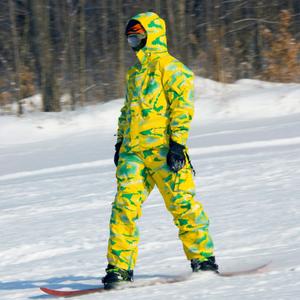
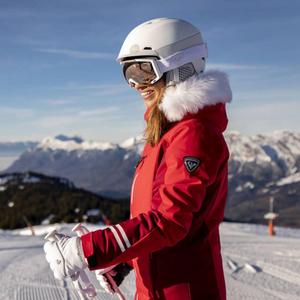
Down or synthetic jacket: warmth and humidity
Down offers the best warmth-to-weight ratio: a jacket like the Rab Mythic or La Sportiva Lumina compresses into a small volume and keeps you warm during breaks and at the hut. Its loft, measured in cuin, indicates the volume occupied by an ounce of down: the higher it is, the more effective the insulation. Wet down, however, loses its loft. Synthetic insulation, like the PrimaLoft in the Patagonia Nano Puff, which appeared in the late 2000s for climbers, still provides insulation when damp and dries quickly, making it ideal for exertion or under wet snow. Rab, founded in Sheffield in 1981 by Scottish climber Rab Carrington, started by sewing down sleeping bags.
Winter end-of-line deals
The winter sports clearance is organised by type:
- Men's clothing.
- Women's clothing.
- Gloves.
- Glasses, masks and screens.
- Accessories.
Hybrid or waterproof jacket: stay dry while active
In resort, a waterproof jacket protects against snow and wind while on the lifts. In ski touring, where you sweat on the ascent, hybrid jackets, like the adidas Terrex Techrock Hybrid or Xperior Hybrid, use a waterproof fabric on the shoulders and arms, which are exposed to the elements, and a more breathable fabric on the sides and back. The Dynafit Transalper Dynastretch, stretchy, moves with you without hindering transitions. For bad weather at altitude, the Rab Firewall Alpine and Patagonia Storm, fully waterproof, are the right choice. Underneath, a fleece with a hood, like the Karpos Ambrizzola, provides insulation without trapping sweat.
Other sports on clearance
The clearance also covers other sports: football, running, lifestyle, bikes, motorbiking, handball, basketball, equestrian, camping, on the clearance page.
Mask, gloves, and ski trousers: protect your extremities
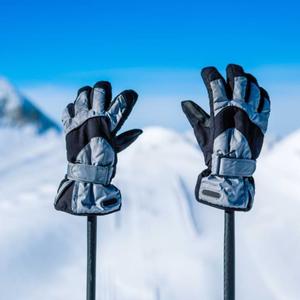
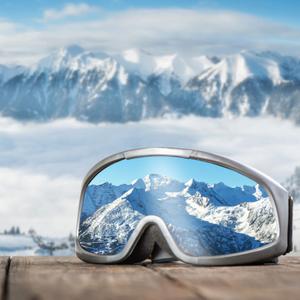
The ski mask is chosen according to the category of its lens: category one or two for overcast and whiteout conditions, three in bright sunlight, making it the most versatile in resort. An interchangeable lens, like Head lenses, allows you to adapt the mask to daylight conditions. Ski gloves combine a waterproof membrane and insulation; mittens, which keep fingers together, are warmer for cold hands. The ski trousers, like the Protest Joss or CMP models, are equipped with snow guards on the inside of the legs and reinforcements at the ankles against ski edges, and the Head cover protects skis and bindings during transport.
Frequently asked questions
Cross-country or alpine skiing: what equipment?
Cross-country skiing is done in light, breathable gear, as the effort is intense: base layer, thin windproof jacket, and lightweight gloves are often enough. Alpine skiing, more static on the ski lifts, requires an insulating and waterproof jacket and trousers.
How to layer clothing for skiing?
Wear a breathable base layer close to your body, made of merino wool or synthetic material, which wicks away sweat. Add a fleece or lightweight down jacket for warmth, then a waterproof jacket against wind and snow, which you can open during climbs.
How to wash a down jacket?
Wash it in the machine at thirty degrees, delicate cycle, with a special down detergent. Then dry it in the tumble dryer on a low heat setting with two or three tennis balls, which help restore the loft by breaking up clumps of feathers.
How to maintain a waterproof ski jacket?
Wash it on a low temperature with a detergent for technical fabrics, without fabric softener, which clogs the pores of the membrane. A gentle tumble dry or a spray re-waterproofing treatment will then reactivate the water-repellent effect of the fabric.
How to choose the size of ski trousers?
Take your usual size, checking that there is room for a base layer and that the leg falls over the ski boot without dragging on the ground. Crouch while trying them on: the trousers should neither pull at the knees nor slide down at the back.






