
Handball accessories and volley in private sale
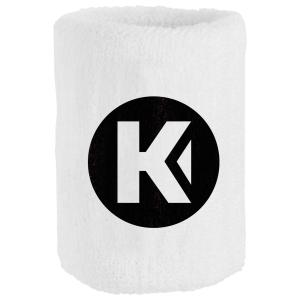
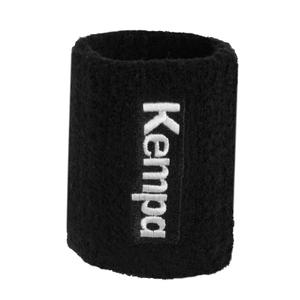
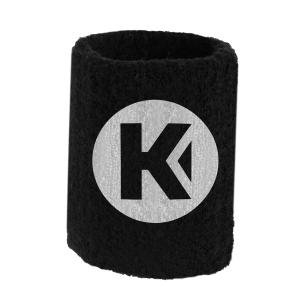
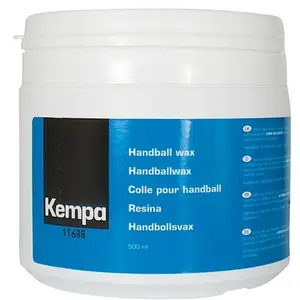
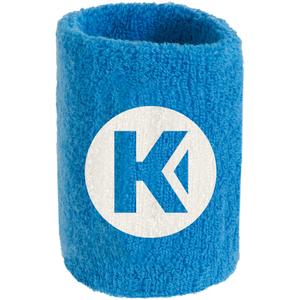
The private sale of Handball and volleyball accessories gathers the small equipment that accompanies every training: Select, Kempa, and Trimona resins for ball grip, spray resin, hand cleaning cream, short or long Kempa wristbands, and a Mikasa manometer to adjust the pressure. Simple but crucial accessories to keep the ball in hand and make precise actions.
The right grip and the right pressure, at a reduced price.
Resin in handball: why and how to apply it
The resin gives your fingers grip that sweat would wash away: it allows you to hold the ball with one hand, set up a shot with spin, or trick the goalkeeper with a trick shot. You take a small amount on the tips of your fingers, rub your hands together, and then take a bit more during stoppages in play. White resins, like Select Profcare or Trimona, stain less than traditional brown resins on jerseys and floors. The spray Select is sprayed directly and leaves a finer layer, appreciated by young players. The pot comes in various sizes, from a small one to slip into your bag to a large pot shared by the team.
The rest of the equipment
The private sales for handball and volleyball also include:
All the offers are gathered on the handball and volleyball page.
Gyms and regulations: when resin is prohibited
Resin poses a problem for gym managers: it sticks to the floors, door handles, and bleachers, and cleaning it is expensive. Many municipal gyms prohibit it, particularly those shared with other sports, and some local authorities are asking for regulations to change. So, before each away game, you check the internal regulations of the venue, whether at home or away. Where it is still allowed, a resin designed to wash out more easily, like Trimona Easy Clean, limits marks. Where it is prohibited, players compensate with dry hands and sponge wristbands, which stop sweat before it reaches the palm.
Cleaning hands, ball and soles after the match
Resin won't come off with just soap, as it is designed to resist sweat. The cleaning cream Select is applied to dry hands: you rub until the glue comes off in small rolls, then rinse with warm water. On the ball, accumulated resin eventually forms a crust that catches dust and makes the feel uneven: you should wipe it regularly with a damp cloth while it is still fresh, rather than letting it harden. The soles also collect the resin that falls on the floor and lose their grip: a wipe down after training restores their stickiness. The sponge wristbands Kempa can be washed in the machine after each session to keep them absorbent.
The manometer for precise pressure measurement
A manometer measures the actual pressure of a ball, while the thumb pressure remains approximate. The one from Mikasa, a Japanese brand that provides the official ball for major international volley-ball competitions, connects to the valve like a needle and shows the value on a dial. In volley-ball, the international regulations set an internal pressure between 0.300 and 0.325 kg/cm²: a ball that is too hard hurts the forearms in receiving and struggles in attack. In handball, the recommended pressure is printed near the valve; an overinflated ball bounces too much and is difficult to catch with one hand. You check the pressure before each session since a ball loses air over the days.
Frequently asked questions
How long does a pot of resin last?
It depends on the frequency of play and the amount taken: a medium-sized pot lasts several weeks for a player who trains three times a week. Make sure to close the lid tightly after each use, as resin dries out in the air.
How to remove resin from a shirt?
First, scrape off the excess once the resin is dry, then apply a bit of cleaning cream or Marseille soap to the stain before washing. Wash inside out, at thirty degrees, and avoid the tumble dryer until the stain is gone.
Why wear sponge wristbands in volley-ball?
In volley, sweat running down the arms makes the sleeves slippery and hinders high passes. Sponge wristbands catch it at the wrist and are also good for wiping sweat off your forehead between plays.
Does heat damage a pot of resin?
Heat softens the resin, which can flow out of the pot. Keep it closed, out of sunlight, and never leave it in a car in the summer; if it has hardened in cold weather, warm it between your hands for a moment before using.
What length of sponge wristband should I choose?
The short wristband, about nine centimeters, is unobtrusive and suits most players. The long model, which covers part of the forearm, absorbs more and also protects the skin during dives and landings on the floor.






